
















Alwaght- While the US in recent years has utilized all of its economic, security and political instruments to get a foothold in Iraq and advance unfinished plans in this country, as the time goes by, Washington sees its power to sway Iraqi political dynamics eroding. Two weeks after the American forces evacuated Ain Al-Assad military base in Iraq's Anbar province, Washington has made a diplomatic retreat, too.
Informed sources in Iraq on Sunday reported that Mark Sawaya who was appointed by Trump in October as the US special envoy to Baghdad, was dismissed from his post. A source on the know referred to "his mismanagement" of key situations, including his failure to block Nouri al-Maliki's naming as new prime minister.
It is yet unclear what setback specifically made Trump show Sawaya the door, or if his replacement was named. Still, according to Reuters, Tom Barrack, the US ambassador to Turkey and special envoy to Syria who had recently visited Erbil to talk to the Syrian Democratic Forces (SDF) leaders, is expected to fill the position.
Two Iraqi officials said that Sawaya was expected to visit Iraq Friday and meet senior officials in Baghdad, but his visit was canceled all of a sudden. Upon his appointment, political observers had said that he was not fit for the job due to his lack of diplomatic experience. So, his dismissal after three months shows that even Trump was unsatisfied with his functioning as a special envoy to a country of high significance to the US.
What was Sawaya's mission?
In late October, just ahead of Iraq's parliamentary elections, Washington appointed Sawaya, an Iraqi-American Christian entrepreneur, as its special envoy to advance US objectives in the country. He became one of the very few Arab-American officials to hold such a position. His primary mandate was to bolster the Iraqi central government's control over armed forces and curtail the influence of Iran-backed militia groups.
Another key mission of Sawaya involved reviving the footprint of American companies in Iraq’s critical energy sector. The move aims to reclaim Washington's lost share of Iraq’s oil and gas market and reassert the US economic influence. By bridging American private enterprise and Iraqi economic institutions, Sawaya was tasked with paving the way for new investments and blocking the expanding influence of rivals like China, Russia, and Iran in energy and infrastructure projects.
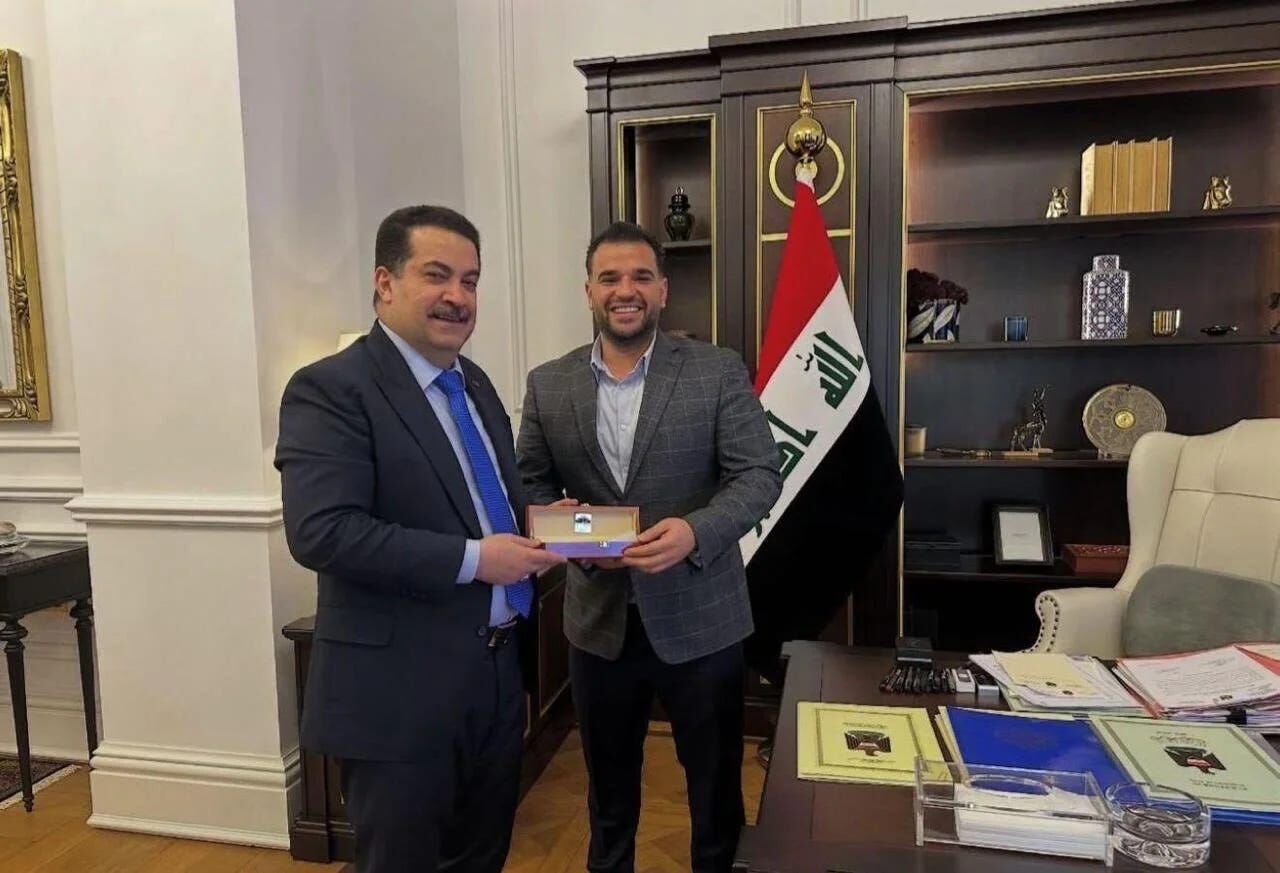
Sawaya’s agenda also carried a significant diplomatic charge. Washington intended for its envoy to forge more effective ties with Iraq’s fractious political parties and blocs. The goal was to sway internal decision-making and prevent Baghdad from drifting too close into the orbit of regional axes opposed to American policy. Over the past three months, he has held meetings with Iraqi Prime Minister Mohammed Shia al-Sudani and other senior officials. However, analysts note he has so far failed to secure meaningful backing from Iraq's entrenched political factions.
Failure against resistance groups
Although the White House has not explained the reason Sawaya was dismissed, the decision can be regarded as a reaction to the recent Iraqi developments.
His dismissal came on the heel of Trump's threat to cut financial aid to Iraq if Nouri al-Maliki, an anti-American ex-PM, is named prime minister again. In justification of his threat, Trump said the last time al-Maliki was a PM, "the country descended in poverty and total chaos."
Al-Maliki, the former PM accused by US officials of fueling sectarian strife and enabling the rise of ISIS during his previous tenure, has been nominated for the premiership once again by Iraq's largest parliamentary bloc, Shiite Coordination Framework (SCF). This move directly defies Washington's sustained pressure campaign. The Trump administration had hoped its economic pressures strategy would force Iraq's Shiite political factions to retreat and clear the path for unfinished US agendas. Instead, these factions have decisively charted their own course, disregarding Washington's warnings.
In a pointed statement Saturday night, the SCF reaffirmed its stance: "Away from foreign diktats, we reiterate our commitment to nominating Nouri al-Maliki for the position of Iraq's next prime minister." The group underscored that "selecting a prime minister is a constitutional matter… conducted according to the mechanisms of the political process, where Iraq's national interest is considered, free from foreign dictates."
This unwavering resolve shown by ruling Shitte factions signals a stark new reality: Iraq is no longer taking orders from Washington and Trump administration is powerless to dictate Baghdad's politics through the mere swapping of political pawns. So, it can be said that the primary mission of Sawaya, which is undermining the resistance factions in Iraq's political structure and installing Washington-aligned pawns, has failed.
The initial blow to Sawaya’s agenda came with the parliamentary elections, where resistance-aligned, anti-American factions secured a majority of seats, to the White House frustration. The final nomination of al-Maliki as the prime ministerial candidate delivered the second, more decisive strike, exposing the limited tools Washington now has to curb the influence of these groups.
Experience shows that external pressure has failed to dislodge the resistance factions, which are deeply entrenched not only in state and security institutions but also enjoy sustained popular support. The recall of Sawaya stands as the first clear admission of the failure of US policy to counter these factions and manage Iraq's political crises.
In addition to political failure, Sawaya has been unsuccessful advancing the US energy and economic plans in Iraq, failing to pedsuade leaders of Baghdad and Kurdistan region to sign agreements paving the way for American investments in Iraq's energy sector.
In Sharm El-Sheikh summit in October to sign Gaza ceasefire deal, Trump openly talked about huge Iraqi oil reserves, saying that Iraqis do not know what to do with abundant oil. He even had said that since 2003, the US spent $7 billion in the region and Arab countries, including Iraq, should shoulder part of its repayment.
So, given the tense international conditions, Trump has his eyes on the Iraqi energy and tries to gain control over it. But after Sawaya’s failure, Washington is mulling new choices.
Presence of US envoy provides Washington with a tool to bypass traditional diplomatic channels and directly influence Iraq's critical economic and energy decisions. This direct line is designed to pave the way for new contracts between American corporations and Baghdad, and sheds light on previous deals inked between American firms and the Kurdistan Regional Government in Erbil.
Despite these struggle, Washington's ambitious regional blueprint has become unmistakably clear to Iraqi leaders. In response, a firm national consensus is emerging: Iraq will not permit the US to establish dominance over its vast energy reserves. The recall and replacement of special envoys is unlikely to salvage this core objective for the Trump administration, as Iraqi resistance is rooted not in personalities, but in a strategic refusal to cede control of the nation's resource sovereignty.
A hardened US line under Barrack
With dismissal of Sawaya, it seems that Tom Barrack, a controversial American name in the regional developments over the past year, is expected to take the mission. Now a question rises: Will Barrack's appointment as special envoy help alter Washington's approach to Baghdad? Or will we see a tougher stance against Iraq?
The appointment of a figure with Barak's history, marked by aggressive pushes in Syria and Lebanon to disarm Hezbollah and force normalization with Israel, signals a likely sharp escalation in Washington's pressure campaign against Iraq. His entry into the Iraqi portfolio foreshadows intensified White House pressure on both the Iraqi government and the anti-US resistance factions. Therefore, with Barak at the helm, the previously stalled Washington agenda to dismantle the Popular Mobilization Forces (PMF) is expected to be aggressively revived.
So, with Barrack's appointment, the White House will likely employ a multi-pronged strategy of economic, political, and diplomatic pressure to curtail the influence of the resistance factions and Iran within Iraq's governing structures, a process that risks significantly inflaming tensions both inside Iraq and across the region.
The resistance groups represent a direct and growing threat to Washington's destabilizing plans. Having already forced American troop withdrawals from several bases through sustained pressure, these groups may now escalate their campaign toward a full expulsion of foreign forces. Their increasing operational power, coupled with deepening ties to Tehran, has clearly set off the alarm bells in Washington.
The US is well aware that as long as these groups have deep influence in Iraq, any push to subjugate Iraq politically and economically and in terms of security is doomed to failure.
So, Barrack who has made no considerable political gains in Syria or Lebanon, will have a narrow chance of success, as the resistance groups' influence in the political and security structures of Iraq are so strong they are not easy to marginalize.
In general, the removing of Sawaya from his post reveals a bitter reality for Washington: Gaining foothold in Iraq is not as easy as the White House leaders may think, and as long as resistance groups stand firm against the US imperialism in Iraq and the region, Washington's push to destabilize the country will go nowhere.










