
















Alwaght- A tale from rich Persian literature, "The Bear's Friendship", known in popular folklore as "Auntie Bear's Friendship", has gained startling new relevance in today's international affairs, particularly when analyzing recent stances taken by certain neighboring states regarding Iran.
The fable recounts a hero who saves a bear from death, only to be repaid with a fatal blow. In a misguided attempt to swat a fly from the sleeping man's face, the bear crushes his skull with a heavy stone, a well-intentioned act that leads to catastrophic harm.
This parable now serves as a potent metaphor for ill-considered actions on the global stage, where seemingly friendly motives can unleash irreversible damage. Current regional dynamics appear to be mirroring this ancient lesson, as some neighbors embrace policies that, much like the bear's deadly assistance, threaten to bring ruin where they claim to offer help.
In recent days and amid escalated military threats against Iran by the US, the world community has witnessed different stances. Several countries, including Russia, China, Pakistan, Iraq, and even some Persian Gulf Arab monarchies have openly voiced concerns and warned of consequence, understanding the risks of destabilizing and unilateral policies of Washington.
They are well aware that the bitter experiences of recent decades, from Iraq and Libya to Syria and Afghanistan, and even stranger cases like the plan to purchase Greenland or the kidnapping Venezuela's legitimate president Nicolas Maduro, all bear witness to the fact that the current White House approach yields nothing but heightened chaos and the violation of international law. In this climate, Iran's stability, with its unique and sensitive geopolitical position, is a key factor for the security of the entire Persian Gulf region and beyond.
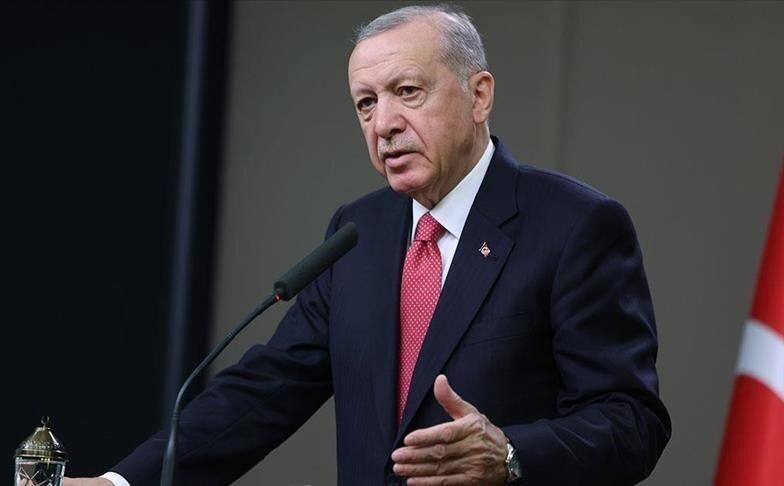
But meanwhile, the remarks by Turkish officials about "the need for readiness to influx of [Iranian] refugees to the borders" and "setting up makeshift refugee camps on the eastern borders" in case of war may at first sight look rational because of Ankara’s security worries given the experience of taking in millions of Syrian refugees last decade, but amid the current tensions they are counterproductive and do not reflect a goodwill neighbor image. Such stances by the Turkish officials, even if said with the true intention of sending a warning about consequences of war on Iran in practice play into the hands of a US and Israeli media propaganda and psychological warfare targeting Iran. Today, Iran more than any other time is targeted by a hybrid warfare where psychological warfare, economic pressures, and a campaign of intimidation take a center stage. So, any remarks that draw a picture of Iranians in fear and displaced precisely serves the American strategy to erode the national Iranian morale.
History tells us that Iranians are no strangers to foreign threats and pressure. For the past four decades, military options and severe sanctions have constantly been on the table for global powers. Yet Iran's response, during the eight years of the Saddam's war on Iran in the 1980s that is known in Iran as "sacred defense", when it stood against the superpowers of the East and West and their regional allies, and in the recent 12-day Israeli war, where it demonstrated its deterrent power, stands as testament to this claim.
More important, however, is the national unity and culture of cooperation and sacrifice among Iranians in difficult times. During that same 12-day war, while their Israeli enemy sought to sow terror among the Iranians by flaunting its brutality in Gaza, and Trump even called for the evacuation of the capital Tehran to amplify this intimidation, Iranian society, relying on its profound values, demonstrated with full glory that when facing a foreign enemy, it unifies and opens the doors of its homes to compatriots, not to foreigners. Iranians prefer to weather crises by sharing their bread and their very lives with one another, rather than by seeking refuge with others.
So, as a neighbor with a long historical record and complex yet deep relations, Turkey is expected to show greater wisdom in words and actions. Stances that focus on post-war scenarios and refugee crises, rather than emphasizing the prevention of war and supporting diplomatic solutions, not only fail to contribute to regional calm but fuel a propaganda that targets Iranian stability. Rather than presuming weakness and retreat, Ankara is advised to count on the strength and resistance of its neighbor and take it into consideration that in the regional environment, security is a collective concept. True friendship is not preparing for consequences of defeat of a friend, but pushing for collective work to steer clear of a catastrophe that is of no avail to any side.










