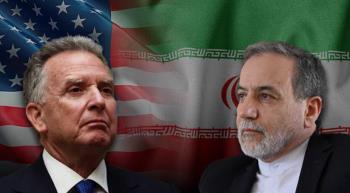










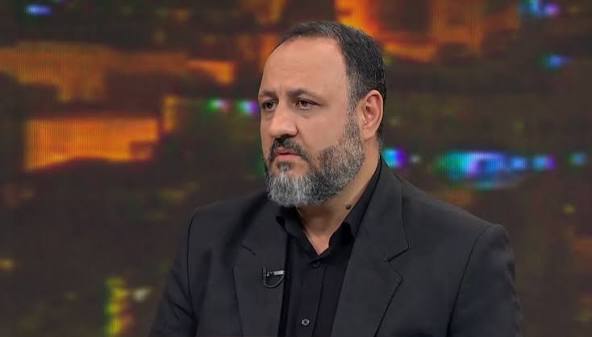


Alwaght- West Asia affairs expert Ahmad Zarean in a note shed light on the escalating tensions between Iran and the US, saying that despite the US president's stances and threats, a war may not take place. In this relation, he wrote:
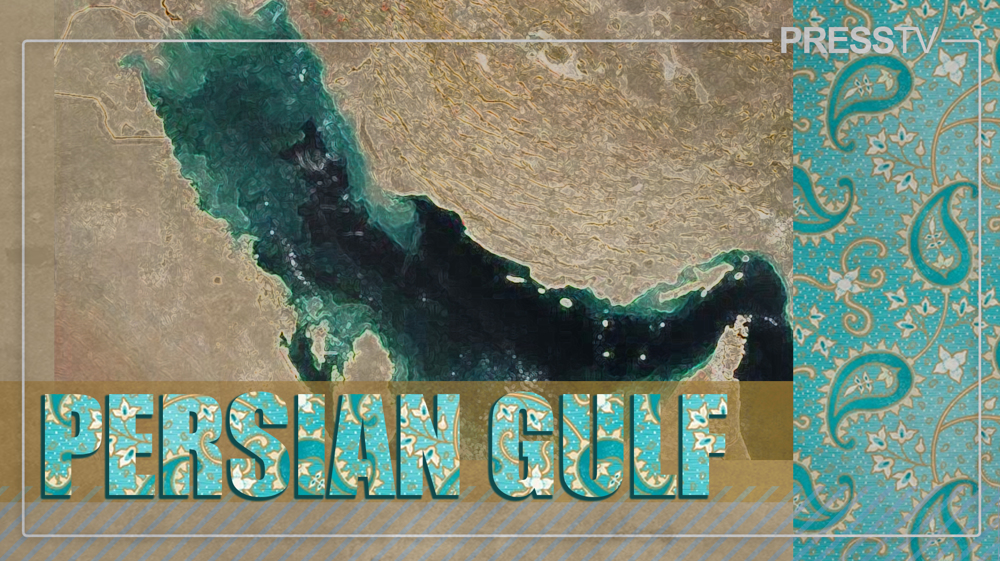
The US is steadily ramping up its military presence in the Persian Gulf, the Indian Ocean, and the Mediterranean Sea. Alongside this large-scale deployment, American officials are constantly threatening Iran with military action. If we juxtapose Washington's stated positions with its military maneuvers, the inevitable conclusion appears to be the outbreak of war with Iran in the near future. However, for the following reasons, despite the rhetoric and troop buildup, a conflict may not actually occur:
1. Washington is seeking a swift and decisive victory with substantial gains. Most American and international experts believe such a victory in a potential war against Iran is unattainable.
2. The Americans are looking for a low-cost war. Again, experts warn that Iran would perceive such an attack as an "existential threat," and would therefore regionalize the conflict and utilize its full capacity to make any war prohibitively costly for the US.
3. Public opinion in the US, the region, and the international community does not support such a war.
4. Launching a war with unpredictable scope and duration, and a high risk of casualties to US soldiers and citizens, requires congressional authorization, which President Trump does not have.
5. Regional countries and major world powers oppose this war, making it highly unlikely that the US could build an international consensus, let alone a coalition, against Iran.
6. A war that fails to topple the Iranian regime would only push Iran closer to Russia and China, and intensify internal domestic pressure for the country to pursue nuclear weapons, both outcomes are decidedly not in US interest.
Given these factors, the likelihood of war not happening is significant. It suggests that Washington's goal behind its aggressive military posturing is to make the "military threat credible," thereby aiming to break Iran's resistance and force it into submission to American demands.
Still, for the following reasons, Tehran should take the war scenario seriously:
1. Trump and some of his advisors think that Iran is weakened and Washington is capable of making a lightening victory and full of achievements through a low-cost war. This can be the driving force behind Trump ordering a military campaign.
2. Israel and the Zionist lobby in the US are heavily pressuring Trump to initiate a war. The Epstein scandal also serves as a useful lever to apply pressure on the president.
3. The perception that "military conflict could pave the way for regime change in Iran" is fueling Trump's incentive to strike. Regime change in Iran would significantly bolster the US standing in the international system while simultaneously weakening the positions of both China and Russia.
4. Given these dynamics, the probability of war is now as high as the probability of no war. The focus must be on reinforcing the factors that prevent conflict to tip the scales. This means actively working to influence the calculations of Trump and his advisors, and sending clear messages that strengthen Iran's deterrence capabilities.
The decisive 48 hours
Iran should be ready for a war scenario, too. The first 48 hours of any conflict will be decisive. As noted, Trump wants to avoid a costly war, so the US and its allies, particularly Israel, will aim to destroy Iran's offensive and defensive capabilities in the very first strike. If Iran can preserve its command-and-control systems, as well as its missile, drone, and naval assets, through dispersal and stealth, and then unleash a devastating second strike, Trump will immediately sound the retreat, withdrawing in humiliation and empty-handed.
The bottom line is this: In a potential conflict, Iran must prepare for the worst-case scenarios and anticipate the enemy's most extreme measures. We must understand that this time, even the slightest failure to safeguard our vital assets could result in a strategic defeat.
While war is always destructive, this potential conflict could, if oran is prepared and vigilant on all fronts, it can maintain ita political and social cohesion, and ultimately, neither fear nor intimidate, contribute to securing Iran's long-term safety and solidify its deterrence for years to come.