













Alwaght- Iran's different performance in response to the American aggression on its southern regions over the past few weeks has drawn attention of military experts and credible international think tanks, with foreign observers suggesting that in the rejuvenated confrontation, Iran has changed its tactics and operational equipment proportionate to the nature of the new clashes, shifting from a mere territorial defense to a new regional deterrence strategy.
One of the key developments in the battle of south is the shift of the Iranian use of military instruments that has come surprising to Washington. More important than the volume of attacks was the conspicuous change in the operational approach of Tehran, which, if continued, can transform the US military calculations and strategic planning across the region.
An analysis by the WANA News shows that Iran’s operations have evolved in several significant ways. These changes go beyond greater firepower to include more precise strikes, improved penetration of air defenses, enhanced real-time intelligence capabilities, and a broader focus on disrupting military logistics. Perhaps the most notable advancement has been the increased accuracy of the attacks. Rather than relying on indiscriminate bombardment, recent strikes have targeted specific buildings, storage facilities, and operational infrastructure at military bases.
This could indicate the deployment of newer missile systems, upgrades to existing arsenals, or advances in guidance and targeting technology. Greater precision makes it possible to hit critical military assets with fewer weapons while simultaneously placing a heavier burden on defense systems.
Improvement of intelligence systems
According to these reports another considerable enhancement is the clear improvement of the intelligence and surveillance capabilities. Several operations show that the targets have been picked using real-time battleground data, not just pre-existed coordinates. Reports of targeting recently deployed American military equipment and positions that are fast-moving show that the cycle of detection, identification, and decision-making cycle, which is a key indication for effectiveness of operations in modern wars, has gone substantially shorter.
The Washington Post reported in a recent piece that, despite Trump's early claims of crippling Iran's military capacity, Iranian forces have retained the ability to carry out cross-border operations against US-linked targets.
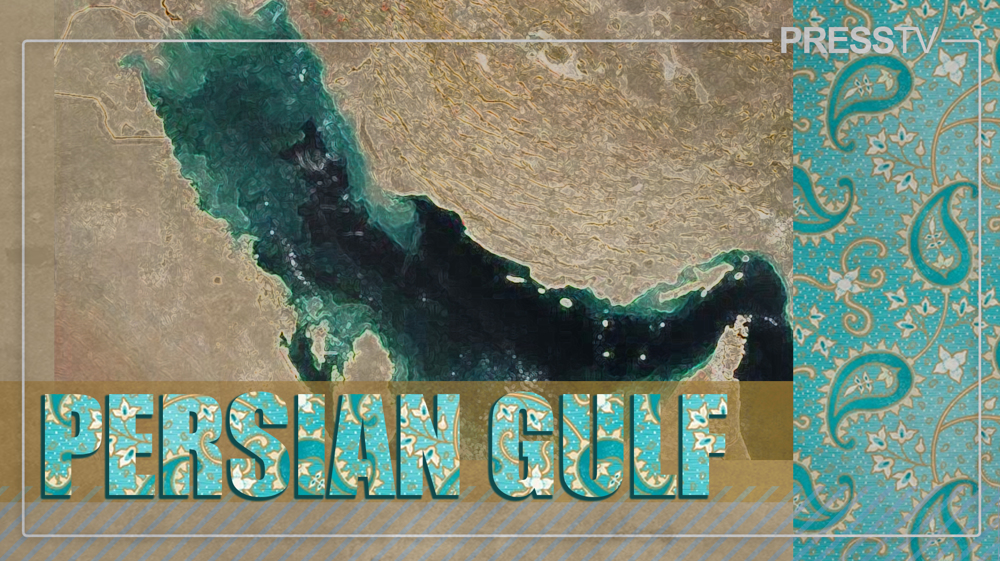
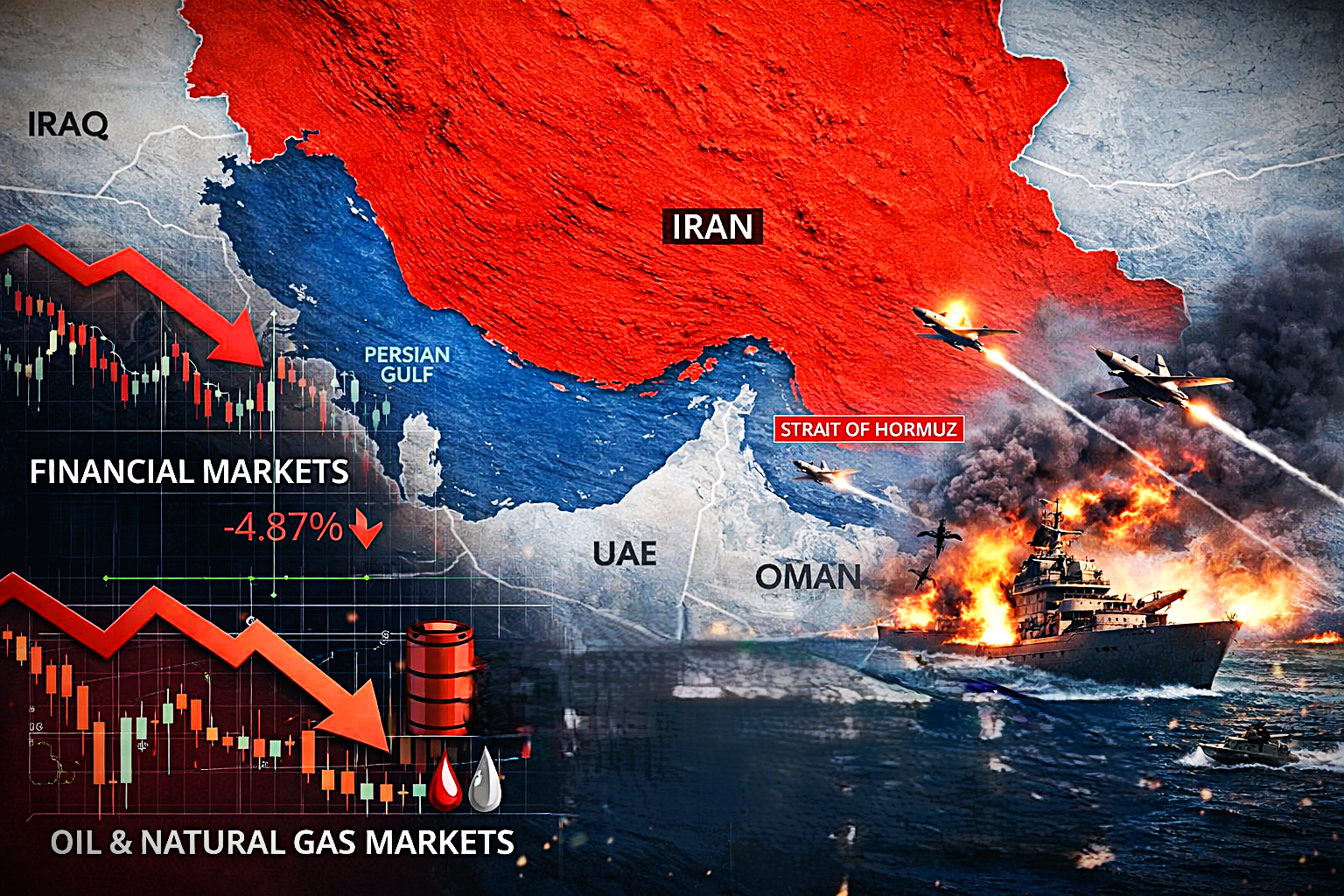
At the heart of this confrontation was control over the Strait of Hormuz and a bid to shift the balance in one of the world's most vital energy chokepoints. Washington had calculated that striking defensive infrastructure in southern Iran would prevent operations against commercial vessels and oil tankers navigating outside the routes Tehran has declared off-limits in the waterway.
Yet, Iran's continued missile and drone strikes on violating ships in the Strait have made clear that Tehran still commands an extensive network of missile sites and hidden capabilities, enabling rapid response and precision strikes on enemy positions. The point was driven home when Defense Secretary Pete Hegseth acknowledged before a Senate hearing that Iran still possesses the military wherewithal to carry out attacks on American interests in the region.
The Telegraph wrote that the attacks have once again underscored the threat posed by Iran's ballistic missiles, even as Trump continues to insist that the Iranian military has been "completely destroyed." According to the report, despite five months of intermittent US and Israeli airstrikes, Tehran still holds significant missile reserves ready for use, stockpiles that remain a serious threat to American forces and Washington's Persian Gulf allies.
Meanwhile Iranian officials told The Telegraph that they have learned significantly during the American attacks, with this showing itself in the speed and precision of their attacks. One, cited by the British daily, said that "the Americans themselves are the reason of upgrade of our missiles in recent days and it is so simple: all is about learning from one launch and implementing the lesson in the next."
Neutralizing US air defenses
Another aspect of change in Iran's operational pattern is the increased capability to penetrate enemy's defense layers and jamming the air defense network. Over the past few years, Washington deployed THAAD and Patriot air interceptors in regional states to build a multi-layer shield to protect its military bases and forces, but the recent clashes showed that the systems are seriously vulnerable to combined and saturation attacks.
Iran's recent strikes, particularly the operation against the Muwaffaq Salti base in Jordan, have revealed that improvements in the range, speed, precision, and volume of Iranian missile fire now pose a fresh challenge to US interceptor systems. American officials confirmed casualties among their personnel in the attack, and Trump described the incident as "sad", a stark indication that, contrary to Washington's initial assumptions, US bases in the region are not immune to Iranian missile strikes.
The veer-off of the air defense missiles which struck their own batteries and equipment and the failure to fully neutralize the threat, showed that even advanced defense architectures are struggling against new missile attack patterns. This development points to a marked upgrade in the accuracy, guidance, and operational capabilities of Iranian missiles compared with earlier periods, and signals a shift in the regional balance between offensive and defensive power.
The shift in Iran's missile strike tactics, it is said, has checkmated enemy air defenses in the chessboard of regional warfare. Between the sustained barrage of missiles and drones and the tactical evolution of these attacks, a new chapter has opened, one that has left American forces scrambling.
The Wall Street Journal, citing US officials, has conceded that Iran has upgraded its methods for breaching American missile defense systems. In a recent report, the paper noted that Iran is employing missiles that fly at exceptionally high speeds. In effect, the US outlet has been trying to crack the mystery of Washington's defense failures by pointing to changes in missile type or increased velocity.
The WSJ added that these missiles are capable of executing tactical maneuvers in the terminal phase of their flight path, just before impact, a feature that enhances their ability to evade US missile defense systems.
Separately, a US official tried to pin the blame on the sheer volume of projectiles, arguing that the high number of missiles fired was the primary reason for the US defense failures in Jordan and elsewhere in the region, an effort to shift responsibility onto the scale of the barrage rather than systemic vulnerability.
This official told the New York Times that the attacks were carried out using barrages of Iranian ballistic missiles against a military base in Jordan and we managed to intercept a number of the missiles, but at least one succeeded in penetrating the American and Jordanian air defenses. The source added that tactic shifts have caused death of American forces in Jordan.
Meanwhile, Saadollah Zarei, an international affairs analyst, argued that "reports from European media point to Iran firing new missiles with greater speed, longer range, and heavier warheads, a sign that we can shift the dynamics of the war."
The American think tank Critical Threats Project, in a recent analysis, wrote that Iran's missile and drone operations were not purely about inflicting military damage. Rather, Tehran was seeking to erode the US capacity to sustain the war, raise the political cost of the conflict for the Trump administration, and rebuild its own deterrence, which is badly diminished, against the US and its regional allies.
The sheer volume of Iranian strikes was so overwhelming that even interceptor missiles ran short. The New York Times reported on this, noting that one of the primary reasons for the halt in operations against Iran was the rapid consumption of interceptor missiles during the counter-barrage, warning that sustaining such a pace could strain the American missiledefense stockpiles.
NBC News, citing Trump government officials, revealed that the American military, forced by the swift depletion of its air-defense reserves, has had to adopt a "selective engagement" policy in response to Iranian missiles and drones.
Broadening the scope of clashes
Another important change in Iran's operational pattern in this renewed conflict is the broadening of the strategic depth and geographical scope of its military response. Attacking targets off the traditional area of the Persian Gulf bore the message that Iran's response will not be limited to southern neighbors and any point in the region that is used as a launching pad will be a target to the Iranian armed forces.
In recent weeks, the US transported part of its forces, equipment, and military aircraft to its Jordan bases to increase its operational distance from Iran and decease its forces' vulnerabilities, but this imagination was shattered when Iranian ballistic missiles struck deep in Jordan and inflicted human and material toll on the US.
Beyond that, the targeting of the port of Aqaba in the Red Sea, right on the doorstep of the Israeli regime, has shown that Tehran's strikes and warnings have taken on a broader geographic reach. If in recent weeks the primary focus was on energy security in the Persian Gulf, the selection of targets in Jordan now signals that Tehran can expand the conflict's geography to alternative corridors as well.
Iran's latest operation can be read as a response to the US naval blockade in the Strait of Hormuz, a message that if the pressure continues, Tehran has the capacity to constrain American interests and those of its regional partners even at distances far from its own borders.
WANA News, citing analysts, reported that the recent operations, rather than focusing exclusively on destroying assets already stationed at bases, have increasingly targeted supply routes and facilities used for moving personnel and equipment. Pressure on maritime supply lines, strikes on alternative logistics corridors, and attacks on key ports point to an effort to complicate the reinforcement and resupply of the American military installations across the region. If sustained, such an approach could significantly raise the cost and complexity of maintaining frontline-deployed forces.
Infrastructure-for-infrastucture equation
Under its reviewed operational strategy in response to hostilities, Tehran realized its earlier warnings to strike regional infrastructures if its own were attacked. Attacks on desalination and power plants in Kuwait showed that rules of engagement have entered a new stage and Infrastructure-for-infrastucture strategy has become part of Iran's deterrence equation.
These moves can be read as a message of capability and resolve, a demonstration that Tehran is prepared to act on its threats. Should tensions escalate, the target set could expand to include other strategic infrastructure, such as commercial ports, energy hubs, and refineries across the region.
Iranian officials have repeatedly stressed that regional security is not one-way and that the security of other countries' energy exports cannot be guaranteed while Iran's own security is under threat. In that vein, Mohammad Baqer Qalibaf, the speaker of Iran's parliament, issued a stark warning: "In a region where we do not sell oil, no one will sell oil. If our security is not ensured, no infrastructure will be safe."
Finally, the battle of south has demonstrated that West Asia deterrence has undergone changes and Iran, expending its missile, drone, and asymmetrical warfare capabilities, has increased the cost of direct military action. In such conditions, any new escalation by the US will be responded to nothing like the past and can draw to Washington and its allies a broader crisis with unpredicted fallout.