










Alwaght- Field developments across West Asia region, particularly after a period of inflamed tensions and the subsequent push toward an Iran-US agreement, have revealed clear signs that Arab states in the region are recalibrating their perspectives.
In the post–Iran-US conflict era, Arab policymakers and elites are now weighing political-security proposals and making decisions with far greater caution, expecting guarantees backed by verifiable mechanisms to prevent a repeat of past damages.
This shift is no sudden about-face; it is the accumulated result of a decade’s worth of security, economic, and geopolitical lessons. Those lessons have made one thing abundantly clear: the notion of a "removable Iran" was never realistic.
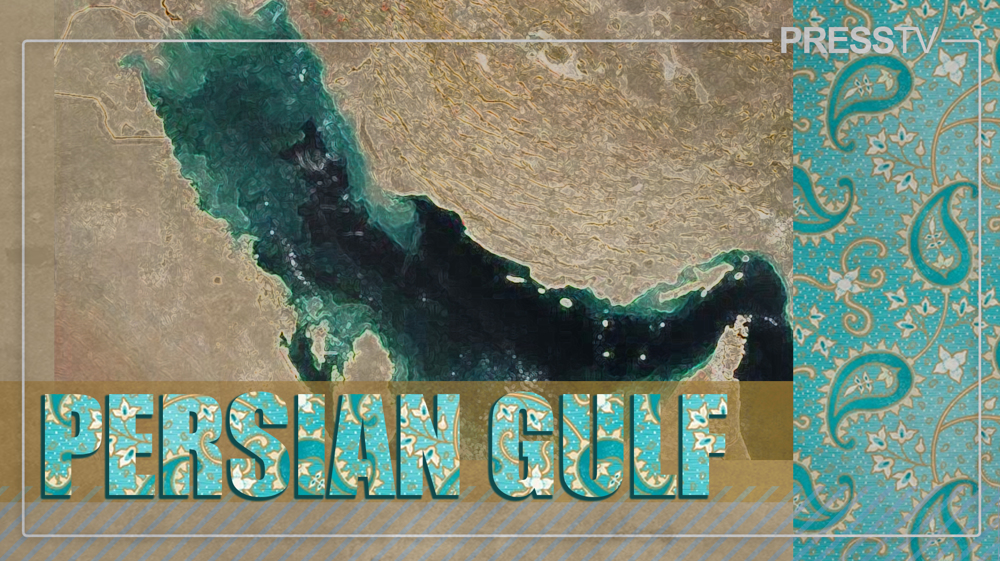
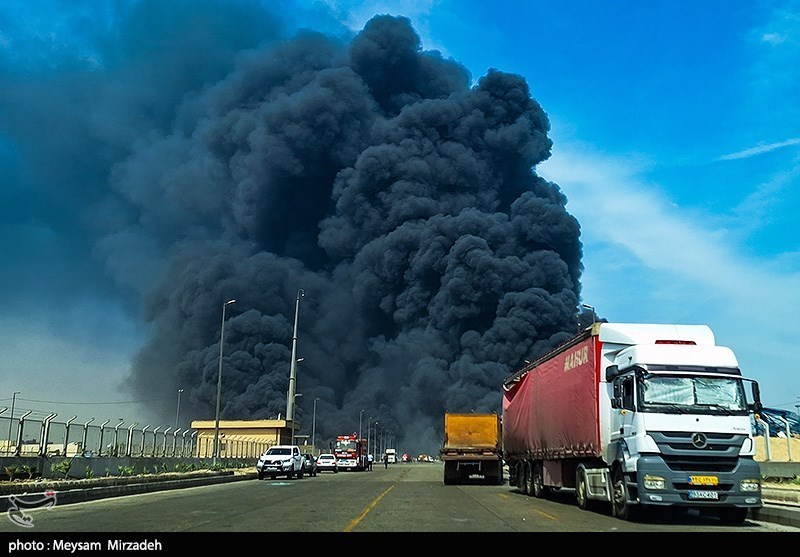
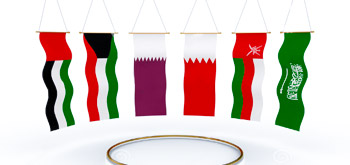
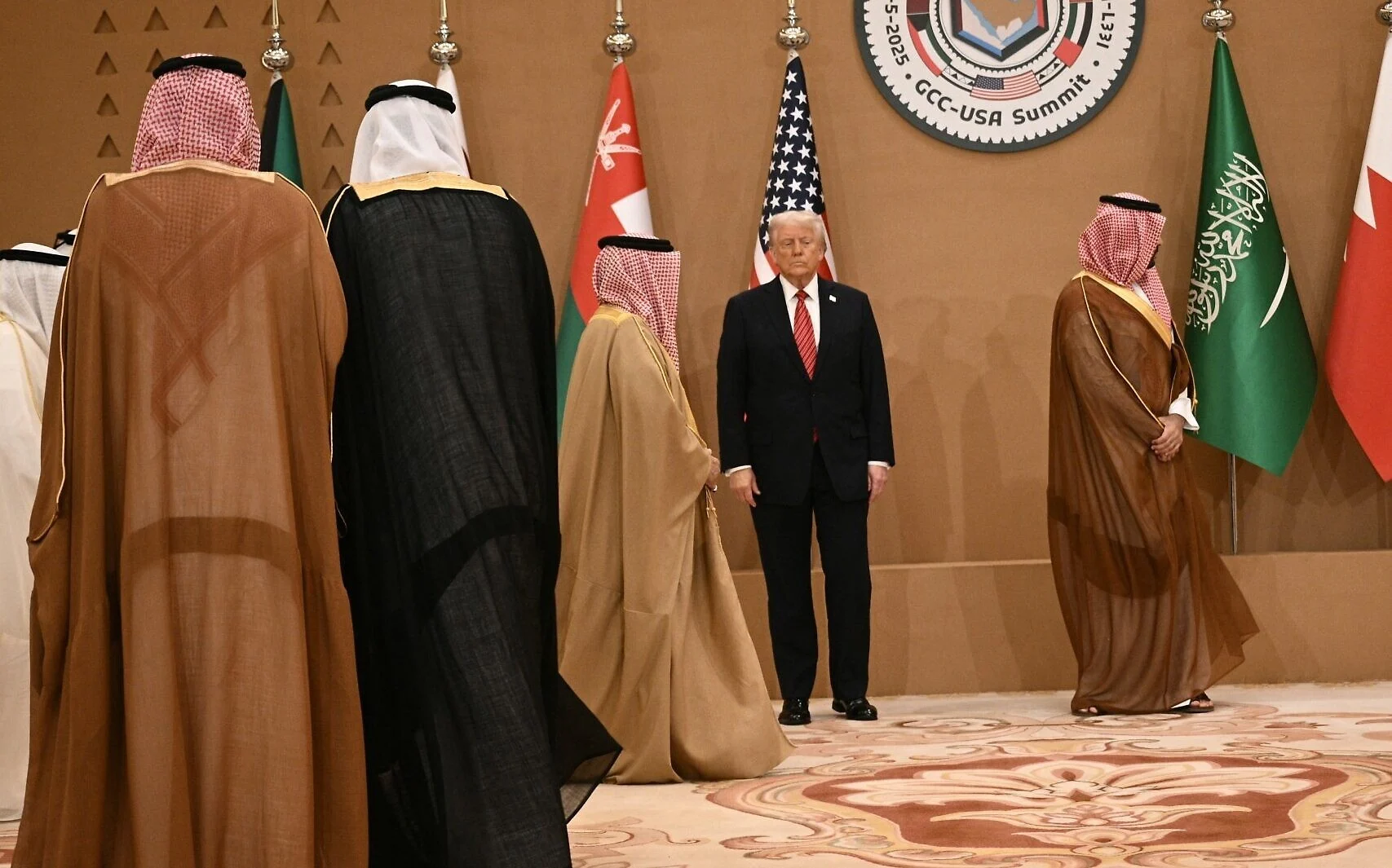
Over the past several years, the dominant strategy among Persian Gulf Arab states, especially Saudi Arabia and the UAE, rested on containing Iran through coalition-building with the US and relying on Western security umbrellas. But drawn-out proxy conflicts, the vulnerability of energy infrastructure, and spiraling security costs have pushed these countries to rethink that approach. Attacks on oil facilities, repeated threats in the Strait of Hormuz, and volatility along energy routes all drove home the same message that sustained confrontation and conflict do not so much undermine Iran as they expose the entire region to escalating risk.
In this context, a potential Iran-US deal acts as a geopolitical catalyst, not because differences will disappear, but because the framework for managing them is changing. Persian Gulf monarchies are now arriving at a conclusion more clearly than ever before that they must pivot from a model of "security against Iran" to one of "security alongside Iran", even if that transition remains gradual, cautious, and fraught with hesitation.
This is a crucial point: on the ground, over the past few years, communication channels between Tehran and several Arab capitals have grown noticeably more active. From security talks to the revival of diplomatic ties, signs of a new approach are unmistakable. This new approach is aimed at de-escalation, crisis management, and avoiding costly surprises. Even during the 40-day war, these countries resisted Washington's expectations and pressure to sever diplomatic relations, keeping those lifelines open to prevent further regional destabilization. This trend began well before any formal U.S. deal; the agreement will only accelerate it.
On the security front, Arab states are moving toward what can only be described as "strategic diversification." While maintaining their ties with the United States, they are actively working to reduce total dependence on it. Instead, they are building a multi-layered balance through dialogue with Iran and its allies, particularly the Axis of Resistance, while also deepening relations with powers like China and Russia. This approach reflects a new understanding: regional security can no longer be outsourced.
Economically, too, the view to Iran is shifting. A vast market, immense energy reserves, and Iran's geostrategic position as a transit corridor hub make it a potential opportunity. But that opportunity comes with competition. The southern Persian Gulf ports, especially in the UAE and Qatar, have already cemented themselves as commercial hubs, and Iran's reintegration into the global economy could upend that balance. The economic relationship with Iran, then, will be a mix of cooperation and rivalry.
Politically, we are witnessing a growing pragmatism. Ideological discourses that once emphasized confrontation are gradually giving way to cost-benefit calculations. Regional crises, from Yemen to Iraq, are increasingly being managed through dialogue. This shift, while neither complete nor irreversible, signals a clear new direction in Arab foreign policy.
Finally, it must be said that in the post-agreement era, Iran will neither be an "absolute enemy" nor a "full partner" for Arab states, but rather an "inescapable reality", one that should be contained, managed, and, in certain areas, engaged with cooperatively. This is precisely where a new regional order is taking shape, not one built on eliminating players, but on recalibrating the relationships among them.