







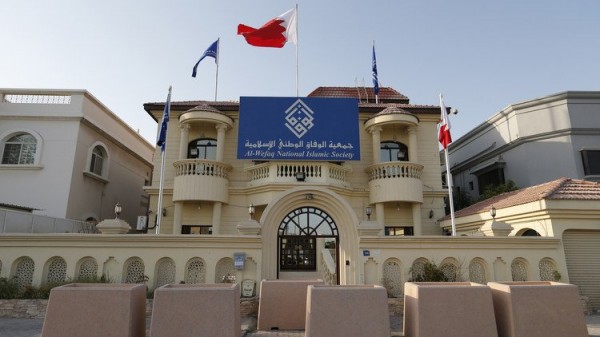


Alwaght- Bahraini Regime's excessive actions against opposition groups in the country have made its American ally to express concerns over dissolving the Al-Wefaq National Islamic Society.
Following Al Khalifa Regime move to suspend the country's main opposition bloc, the US Department of Sate issued a statement saying, "We are deeply troubled by today's alarming move by the Government of Bahrain to dissolve the opposition political society, Al-Wefaq".
The statement, issued on Tuesday, urged the US's Arab ally that hosts its Fifth Navy Fleet "to reconsider this decision".
"The government's action today against Al-Wefaq is not consistent with a commitment to sustaining that progress or pursuing unfulfilled reforms," the statement further read.
The statement also mentioned to detentions Al-Wefaq’s Secretary General Sheikh Ali Salman and Nabeel Rajab, president of the Bahrain Center for Human Rights.
Sheikh Ali Salman has been in prison since December 2014 on charges of attempting to overthrow the regime and collaborating with foreign powers, which he has denied. A court sentenced him to four years in prison in June 2015.
Nabeel Rajab was also rearrested on Monday after a group of security forces surrounded his house in the village of Bani Jamrah west of the capital, Manama.
"We are concerned this action against Al-Wefaq, as well as other recent decisions, including the detention yesterday of prominent human rights activist Nabeel Rajab and resentencing of Al Wefaq chairman Sheikh Ali Salman, will restrict freedom of expression," it added.
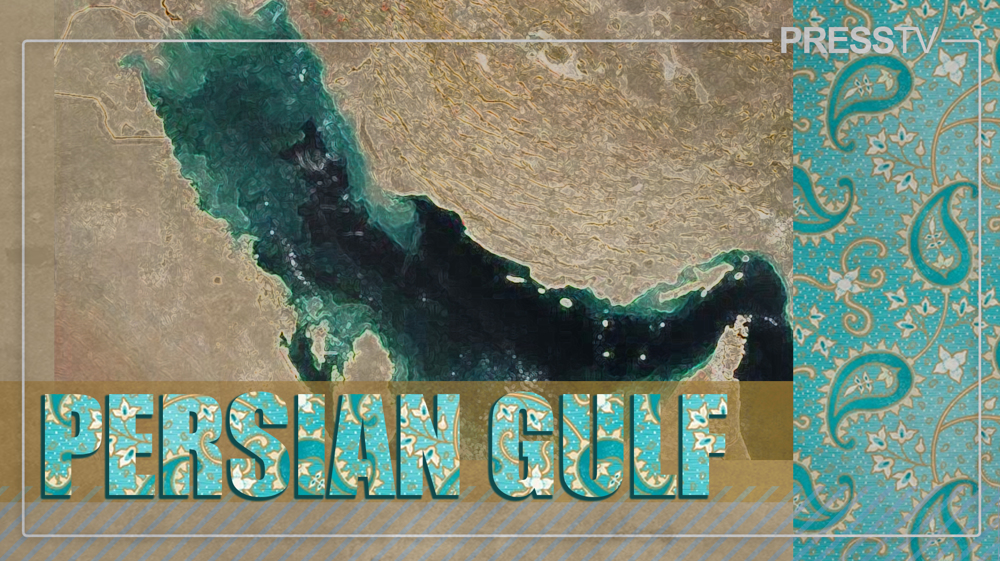
The tiny Persian Gulf Island has been witnessing pro-democracy demonstrations by majority Shiite Muslims since 2011 demanding a bigger role in government.
Western-backed Al Khalifa regime responded to protesters with Iron fist with aid of its Arab patrons, Saudi Arabia and the UAE.
In March 2015, troops from Saudi Arabia and the United Arab Emirates were deployed to the country to help in the crackdown on peaceful protests.
More than a hundred people have been killed while hundreds more were sent behind bars, most of them still there, in what human rights campaigners say is Manama’s lack of tolerance for dissent.