
















ALWAGHT- Pakistan and Qatari visits, fresh US and Iranian statements, and Araghchi's regional calls have sparked speculation of an early Iran-US deal. But disputes over the Strait of Hormuz and enriched uranium remain serious obstacles.
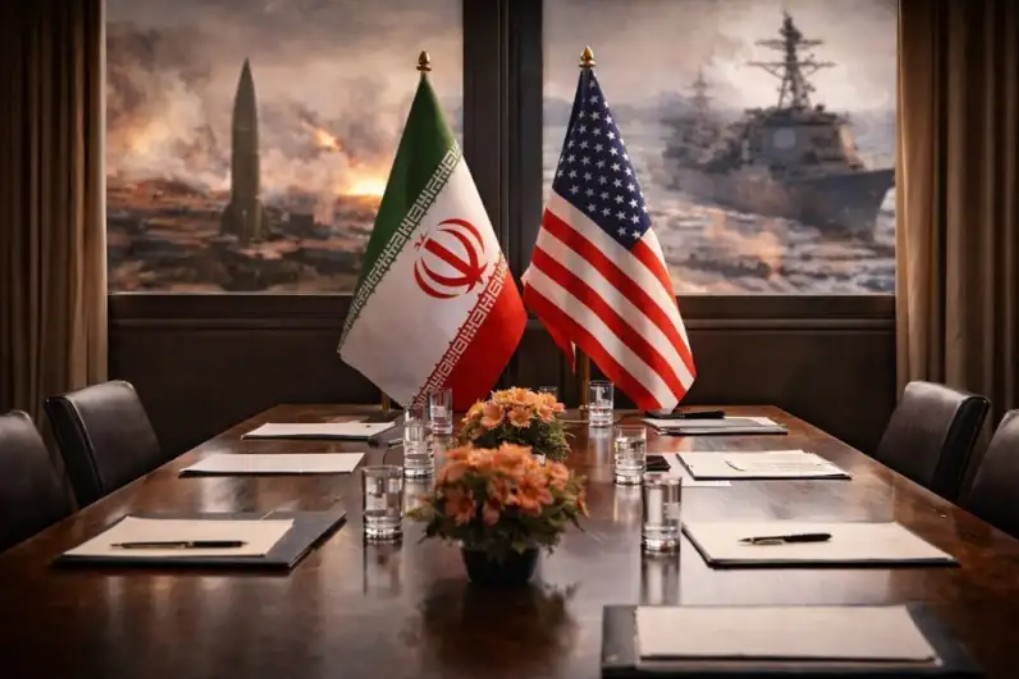
Heavy diplomatic activity involving Tehran, Islamabad, Doha, and Washington has reignited speculation about Iran-US negotiations, even as the region remains shaken by US-Israeli attacks on Iran. With conflicting statements from officials and active mediation by Pakistan and Qatar—including visits by Pakistan's Army Chief to Tehran and a Qatari delegation coordinated with Washington—a key question has emerged: Are the two sides moving toward an initial understanding, or is the region heading toward a more dangerous phase? Unlike previous rounds, the current talks go beyond the nuclear issue, now encompassing security, maritime, economic, and geopolitical crises.
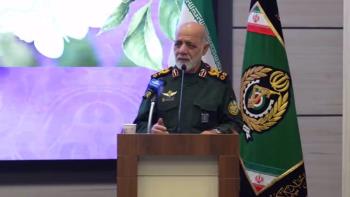
While Western media still frame the nuclear dispute as the main obstacle, Iranian officials stress that the current priority is ending the war and reducing security tensions. According to reports, a possible US proposal includes reducing military tensions, easing Iran's oil exports, releasing financial assets, and providing economic exemptions, with nuclear disagreements postponed to later stages. However, Iran's negotiating spokesman Esmail Baghaei has cautioned that major differences remain, and past US "excessive demands" have made Tehran more cautious. Meanwhile, US Secretary of State Marco Rubio continues to emphasize uranium enrichment and nuclear restrictions, warning that other options remain available if diplomacy fails—a stance Tehran sees as a primary reason for mistrust.
The uncertainty surrounding negotiations is already shaking global markets, with rising oil prices and falling gold prices reflecting investor fears over the future of the Persian Gulf crisis. Any escalation in the Strait of Hormuz could threaten global energy exports, while even a temporary agreement securing oil exports and free shipping could ease inflation pressures on European economies. With neither side ready to declare success—Trump speaking of "Iran's eagerness for a deal" while keeping military threats on the table, and Tehran refusing a rushed agreement without guaranteed security—the region appears to be at a critical moment that could lead either to a limited crisis-control understanding or, if diplomacy fails, to wider tensions and conflict.










