






Alwaght- Over the past two decades, Iraq has been one of the main spots of the American military presence in West Asia. However, recent American military withdrawal from this country has pushed Iraq's security and defense equations into a new stage. This development, in addition to transferring Baghdad-Washington relations, can affect the role of the Iraqi forces to protect security, the scale of foreign influence in this country, the regional balance of power, and the future of Iraqi security.
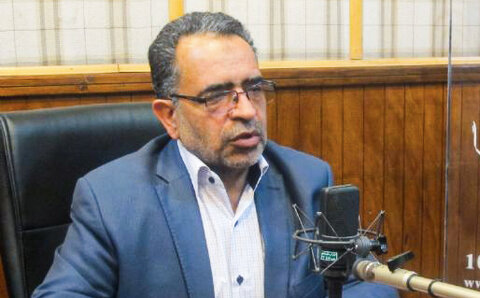
Alwaght has talked to West Asia affairs expert Asghar Zaree, asking him questions in this regard.
Alwaght: Given the US withdrawal, how do you assess this American move?
Zaree: The American casualties and the damage to their vital military infrastructures in the region during 12-day and 40-day Iran wars have created challenging conditions to the US military stay in Iraq in terms of costs and security. So, staying further in the region, the American leaders concluded, could foist considerable costs on Washington both at home and internationally.
On the other hand, the American successive failures in Afghanistan and Iraq, and the experience of its military presence in the region, along with the losses it suffered in the 12-day and 40-day wars with Iran, showed that Washington's heavy investments over the past two decades to establish and develop military bases in the region have faced significant damages and costs. Therefore, Washington was forced to reconsider the strategy of CENTCOM forces, because the conditions for their remaining had become extremely difficult.
As we witnessed, on September 30, after 23 years, the Americans were compelled to completely withdraw their forces from Iraq. At the same time, American bases in other parts of the region continued to be exposed to attacks by Iranian forces and the allied resistance forces, and the intensity of Iran's missile and drone attacks imposed conditions on American forces that make their continued presence in these areas increasingly costly, conditions that could lead to intensified political pressure and increased military losses for Washington.
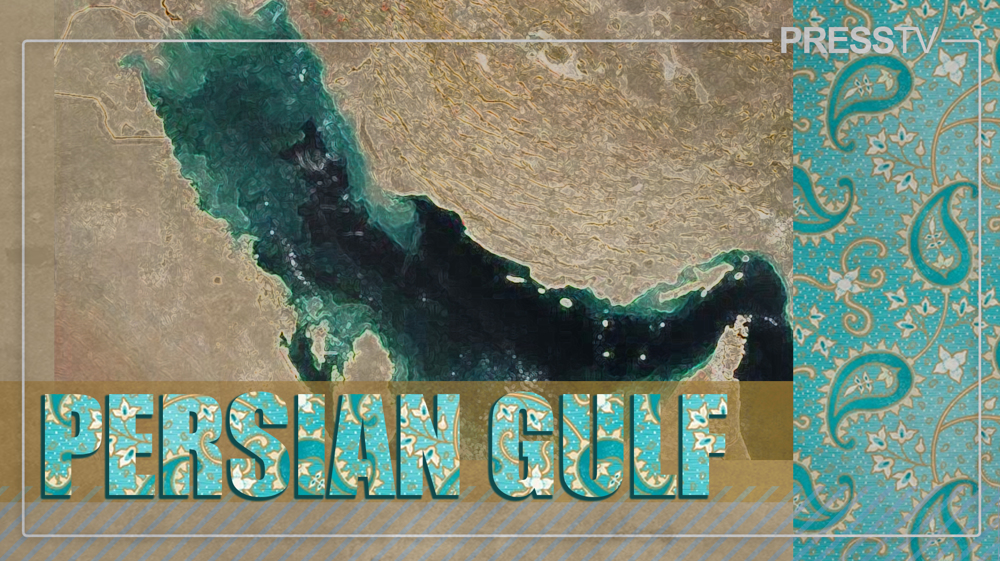
Furthermore, the closure of the Strait of Hormuz and Bab-el-Mandeb, and the consequent reduction in exports of oil, energy, and goods exported from the Persian Gulf to global markets, could bring about very heavy economic costs and consequences for the US and its allies, and even for the global economy.
Alwaght: How do you see the tensions with Iran having influenced the US decision to pull its forces out of Iraq?
Zaree: The Americans thought that with deployment of CENTCOM in West Asia they could establish a strong support base in the region to advance their agenda and counter and neutralize the threats they claimed were posed by Iran.
What happened during recent Iran wars practically shattered this dream, seeming pushing Washington to the conclusion that continued presence in Iraq is no longer possible. The regional conditions that followed these two wars showed that the earlier theories and calculations about presence in Iraq, protecting security of CENTCOM forces and the US allies do not necessarily provide a guarantee to protection of security of the allies of Washington and regional stability.
Alwaght: Does military pull-out mean end of security and military cooperation with Iraq?
Zaree: By agreeing to withdraw its military forces from Iraqi territory on September 30, the US is trying to reduce the heavy costs and pressures it faces, but at the same time it will keep its influence in Iraq.
However, US influence in Iraq is not limited solely to military presence. Washington still has influence over an important part of Iraq's financial and economic mechanisms, and the revenues from oil sales and other resources are transferred through a financial system controlled by Washington. This situation has practically left the US hand free in managing Iraq's financial flows, and a significant portion of the resources the government needs to pay employees' salaries and cover current expenses falls within this same financial framework. Therefore, it cannot be said that American military withdrawal from Iraq means the end of cooperation and the end of America's role-playing in Iraq. Although this action can be, on the whole, a positive step and can greatly help the Iraqi nation in cutting off the Americans' hand from the fate of this country. However, the Iraqi nation's future actions in trying to sever these pressures and dependencies can lead the future path toward liberation from American influence and domination.
Alwaght: Despite US military exit, why is Baghdad still facing limits in making independent decisions regarding various issues, including Iranian flights? Does this signal the continuation of Iraq's security dependance on the US?
Zaree: The Americans have never considered themselves committed to the understandings and agreements they have signed with various parties, and they do not now, and they always act based on their own interests, and whenever they see conditions as favorable, they completely cross red lines and trample all their commitments.
Therefore, even now we see that from a military standpoint, Iraq's territorial space is still at US disposal, and the Americans and their allies easily exploit this country's airspace, while the Iraqi government is practically unable to react to the actions of the American government and its allies in its own geography and airspace.
Even regarding the sanctions imposed against Iran and the issue of the aerial blockade, the Iraqis were unable to exercise independence of action against American pressures. Despite the fact that one of the public demands of the Resistance forces and the various forces belonging to the Iraqi resistance front is the lifting of the aerial embargo of Iran by Iraq, the Iraqi government still does not possess the necessary will to do this. It has only managed, through consultations and pressure exerted on the government, to obtain permission from the Americans for Iraqi Airways to continue its flights from Najaf to Iran and vice versa, thereby reducing part of this pressure.
These things show that the Iraqis are completely under American pressure and domination, and the security agreement between the US and Iraq cannot bring them security, stability, and independence in the near future.
Alwaght: What would be the results of the US exit on Iraq and the region?
Zaree: This can usher in a new chapter for the Iraqi people. The exit met welcome of people and resistance groups and they celebrated the withdrawal of the occupation forces after 23 years.
In any case, this development has created an opportunity for Iraq to dismantle American bases and for that country's forces and equipment to be withdrawn from various regions of Iraq, whether in the Kurdistan Region or other areas. Even Turkish forces, which had bases in Nineveh Province and other areas, were forced to withdraw their forces and abandon some of their bases.
Given the withdrawal of American forces, it appears that the Iraqi army and the country's Resistance forces can use this opportunity to move toward independence and ensure the country's full security, and further reduce American presence and sway in Iraq.
The example of Afghanistan is also noteworthy in this regard. Today we see that despite the Taliban government's limitations on the political and security scene in Afghanistan, this country has been able to greatly reduce American presence and influence on Afghan soil and has gained a kind of greater independence. Afghanistan even refused to cooperate on the issue of American aerial embargo against Iran and has continued to keep its airspace open for Iranian flights.
Therefore, we hope that the Iraqis will also be able to use this opportunity and pave the way for greater stability, security, and independence for their country in the future. We welcome this process and hope that American forces will leave the entire region as soon as possible and that the provision of security and stability in the region will be entrusted to the governments of the region's own countries.
Given the attacks on the US bases in Qatar and other regional countries like Saudi Arabia and Jordan, as well as ongoing developments in Yemen where the Axis of Resistance has made meaningful gains, we hope that in the future, we see the US and its European allies pull out of the region.