




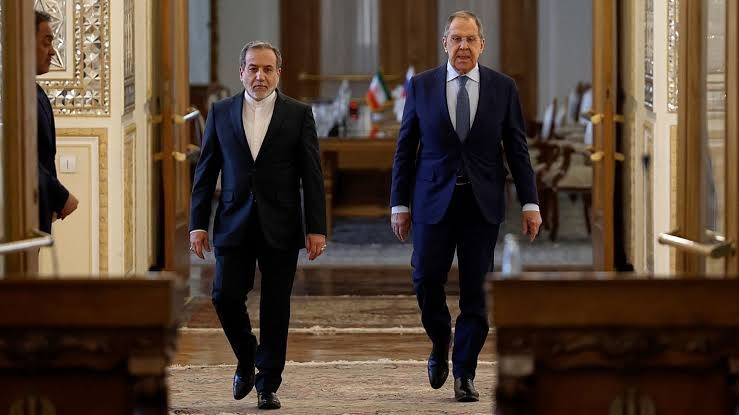


Alwaght- Russian Foreign Minister Sergey Lavrov is set to visit Tehran to meet with his Iranian counterpart Sayyed Abbas Araghchi on Monday. The visit is coming amid ongoing regional tensions and the US pressure on the two allies and is meant to strengthen strategic cooperation between Iran and Russia.
Regional and international developments, Iran-US tensions, the Russian push to de-escalate tensions, and following up the past agreements between the two countries make up the agenda of the trip.
Tehran and Moscow: Two actors countering American pressure
One of the most significant backdrops to Lavrov's Tehran visit is the shared condition Iran and Russia face in confronting American policy. In recent years, the White House has wielded economic sanctions, financial restrictions and diplomatic pressure to curb the two countries' power and influence. As it stands now, the US-Israeli war against Iran and Russia's ongoing standoff with the West over Ukraine have pushed Tehran-Moscow relations into a critical phase.
Though Iran and Russia do not see eye to eye on regional objectives and security priorities across the board, both countries confront policies from Washington aimed at constraining their economic, military and geopolitical capacities. That very dynamic is creating openings for greater political alignment and cooperation in shared domains.
For Iran, Russia is a major power capable of playing a role in international diplomacy, economic cooperation and regional security affairs. For Moscow, meanwhile, maintaining close ties with Tehran not only bolsters Russia's footprint in West Asia but also opens the door to expanded cooperation with an influential player in the Persian Gulf and along strategic energy transit routes.
Jointly pushing against Washington's pressure: From diplomacy to economy
One of the key objectives of the trip can be seen as exploring ways to operationalize previous agreements and deepen coordination between the two countries against external pressure. In recent years, Iran and Russia have emphasized expanding trade, transportation, energy and financial ties, areas whose development could help offset some of the effects of Western restrictions.
Russian President Vladimir Putin, in an October 8 meeting with Iranian President Masoud Pezeshkian, announced that trade between the two countries had grown by more than 21 percent in 2025, with that trend continuing through the first seven months of 2026. The figures suggest that Tehran-Moscow economic cooperation, at least by official accounts, still has room to expand.
Against that backdrop, developing international transit corridors, energy cooperation, facilitating trade and building financial mechanisms less vulnerable to Western sanctions are likely to feature prominently in the two sides' talks. Realizing those goals, however, hinges on executable agreements, resolving banking and trade hurdles, and weighing the costs of secondary US sanctions.
War case as the key test of Moscow-Tehran relations
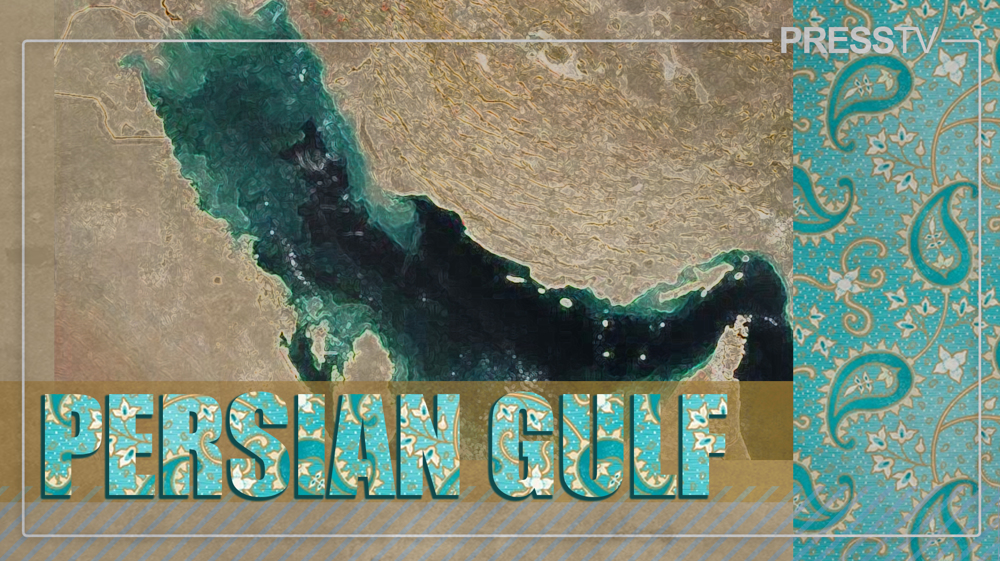
Developments in the war and the Persian Gulf's security landscape will also rank among the key agenda items of Lavrov's trip. Russia's Foreign Ministry has said the Tehran talks will focus on the situation surrounding Iran and Moscow's efforts to de-escalate tensions. That stance comes as the dispute between Tehran and Washington over ending the war, regional security arrangements and the status of the Strait of Hormuz retains strategic importance.
For Iran, consultations with Russia offer an opportunity to lay out Tehran's positions, coordinate on regional developments and leverage Moscow's diplomatic heft in international affairs. For Russia, preventing the spread of instability in the region matters as well, since an intensifying conflict could disrupt energy security, global trade and Moscow's ties with regional countries.
The need to past political relations to practical cooperation
The top Russian diplomat's Tehran visit can be read as part of the two countries' push to consolidate and expand their strategic partnership under mounting American pressure. Shared interests compel Iran and Russia to forge closer cooperation in areas where their strategic outlooks overlap. The costs of confronting Washington and the imperative of preserving freedom of action sharpen both sides' incentives to broaden collaboration. The significance of Lavrov's visit lies in translating shared political positions into executable agreements capable of securing economic, security and diplomatic interests for the two countries.