


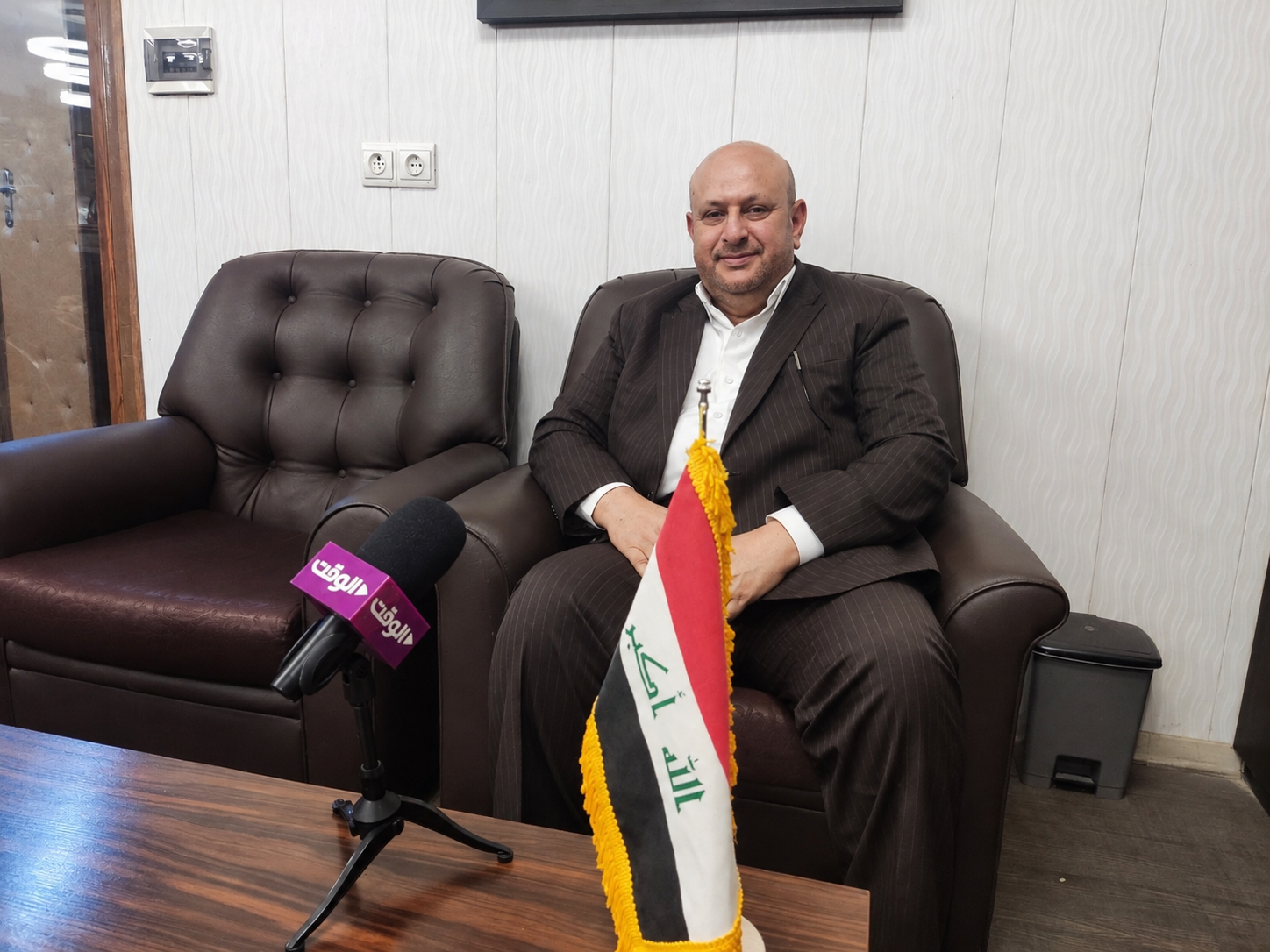


Alwaght- Iraqi author and head of Center for Iraqi Studies in Baghdad Sayyed Sadegh al-Hashemi in an exclusive interview with Alwaght shed light on the aspects of recent developments in Iranian-Iraq relations. Suggesting that limiting Iraqi business with Iran and disarming resistance groups are American demands, the Iraqi political expert warned about alignment of some Iraqi political factions with these hostile American policies and passiveness of the leaders of ruling Shiite Coordination Framework (SCF). He said that Washington is striving to change Iraqi political and economic orientation and to impair Iraq's strategic bonds with Iran.
Alwaght: What consequences do border restrictions between Iran and Iraq bring to the common interests of the two countries?
Al-Hashemi: The reality is that the plan to restrict and close the Iran-Iraq borders takes neither country's interests into account, because it is fundamentally an American project, and Washington paid no heed to Tehran's or Baghdad's economic and social interests when designing it.
Iran and Iraq conduct roughly $12 billion in annual trade, a major share of which consists of Iranian exports, particularly foodstuffs and goods needed by the Iraqi market. This volume of exchange shows that the economic ties between the two countries are not merely an ordinary commercial relationship; they meet part of the basic, everyday needs of Iraqi society.
Scaling back or cutting off this trade would not only harm businesspeople in both countries but also drive up the cost of essential goods for the Iraqi people. Border restrictions would therefore hurt not only Iran but also run counter to Iraq's economic interests. In my view, the policymakers behind this approach are catering to Washington's considerations and demands rather than attending to the real needs of the two nations.
Alwaght: How is the government of PM al-Zaidi handling the US pressure to squeeze business with Iran?
Al-Hashemi: The current Iraqi government has been swayed by two considerations:
First, Washington has managed to convince Ali al-Zaidi's government that restricting the borders and economic ties with Iran is not merely a measure taken within the framework of sanctions on Tehran, but can also help expand the official Iraqi government's economic and political network within the Arab sphere, particularly the Persian Gulf states and the Levant. From this perspective, Baghdad can gradually shift its trade routes away from Iran toward Turkey, Syria, and the Arab countries, and meet its economic needs through those channels.
Second, the US is trying to normalize restrictive measures against Iran in Iraqi public opinion so as to dampen social and political sensitivity toward these policies. Ali al-Zaidi and those around him appear to have concluded that as long as they can justify it as protecting Iraq's economic interests, carrying out American recommendations and demands will be feasible.
But this calculation is out of step with the realities of Iraqi society. The Iraqi people have deep historical, religious, social, and economic ties with Iran, and these ties cannot simply be erased by rerouting trade or through government decisions.
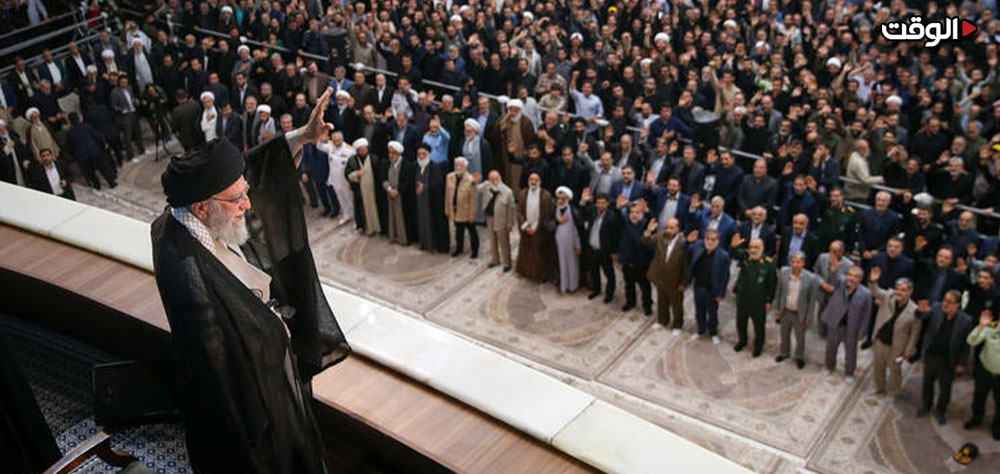
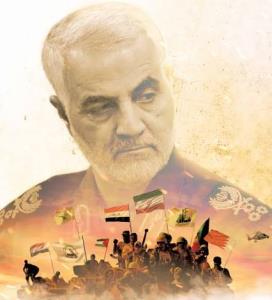
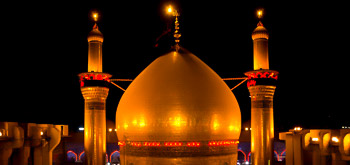
For example, a nation more than 10 million of whose people attended the funeral of the martyred leader and which hosts millions of Arbaeen pilgrims every year is a society with political and religious awareness, and one that is not indifferent to regional developments.
On the issue of flight restrictions, protests broke out in eight Iraqi provinces, with some demonstrators even attempting to seize a number of airports. On border restrictions, protest gatherings have been held in provinces such as Maysan. These protests show that a significant part of Iraqi society is unwilling to see their country take part in implementing a policy of economic siege against Iran.
On the other hand, Iranian goods hold a special place in the Iraqi market thanks to their reasonable prices, geographic proximity, and compatibility with Iraqis' food preferences. Replacing these products with goods from Saudi Arabia, Turkey, or other countries will not be easy. Even if the Iraqi government wanted to change its food and trade basket, it would face serious economic and social obstacles.
The continuation of these policies could, therefore, broaden the scope of protests and even turn into a broad, sweeping protest movement in Iraq. The Baghdad government should not imagine that it can subject its economic and historical relations with Iran to American pressure without paying a political and social price.
Alwaght: How much does the US pressure for resistance groups disarming align with national Iraqi interests?
Al-Hashemi: Unfortunately, it must be said that the US pressure for the Iraqi resistance groups to disarm has been welcomed by part of Sunni and Kurdish currents. Some Kurds support this policy because they believe that Shiite arms change internal Iraqi power balance.
Actually, it is not just the US demand for restriction of weapons to the government; rather, it is also about the political and security balance among various Iraqi currents. Resistance groups are part of the Iraqi security and political structure and their future cannot be debated without looking taking into consideration the country's security conditions, regional developments, and foreign threats.
The SCF are expected to take a resolute and independent stance against the American pressure and not allow them to become an official Iraqi government demand.
I think that the leaders of the SCF should draw a distinction between the need to shore up Iraq's government and sovereignty on the one hand and implementation of the US demands on the other hand. Restriction of arms to the government, if meaning weakening the resistance groups and eliminating their defense capacities, cannot be sold to public as a boost to national sovereignty.
Th core issue is that Baghdad should not allow the American agenda and demands about the country's security structure become instrumentalized to tip the home scales and undermine resistance groups. The SCF has a duty to defend Iraq's interests and independence of decision-making and not sit on its hands in dealing with foreign pressures.