















ALWAGHT- Iran has cautioned that regional data centers and undersea communications cables could become targets if further military action is launched against the Islamic Republic.
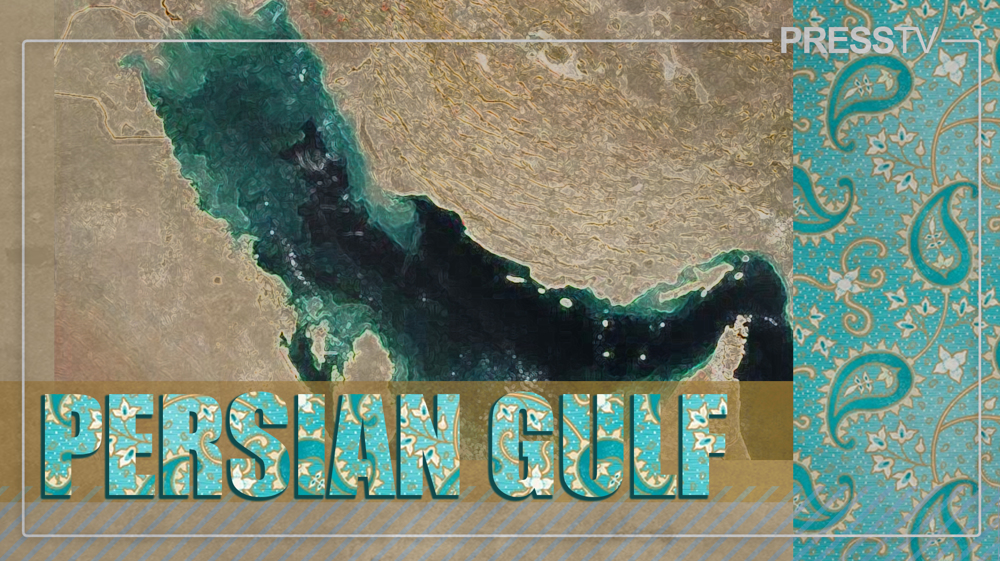
Iranian Supreme National Security Council Secretary Mohsen Rezaei has warned that regional communications and technology infrastructure could become targets if hostilities with the United States resume. The threat highlights the growing strategic importance of digital infrastructure across the Persian Gulf, where countries have invested heavily in internet connectivity, data centers, and artificial intelligence.
Submarine fiber-optic cables carry much of the world’s international internet traffic, supporting financial transactions, business communications, cloud services, and everyday online activities. The Persian Gulf’s geographical position makes its communications routes particularly significant, although individual countries rely on different networks and alternative connections.
Damage to undersea cables would not necessarily cause a complete internet blackout, as traffic could be redirected through alternative routes. However, multiple disruptions could reduce connection speeds, increase delays, and raise costs for businesses and telecommunications providers. Repairs can also take considerable time, depending on the extent and location of the damage.
Data centers and AI facilities face additional risks because they depend on reliable electricity, cooling systems, specialized equipment, and high-speed internet connections. Saudi Arabia and the United Arab Emirates have invested substantially in these technologies as part of efforts to diversify their economies and establish themselves as regional technology hubs. Disruptions could affect operations, increase expenses, and delay technological development, although backup systems and alternative facilities may limit the impact.
An escalation targeting digital infrastructure could have consequences for financial services, e-commerce, transportation, corporate communications, and public services across the region. The growing reliance on interconnected technology systems underscores the importance of protecting critical infrastructure, developing backup communication routes, and strengthening resilience against potential disruptions.