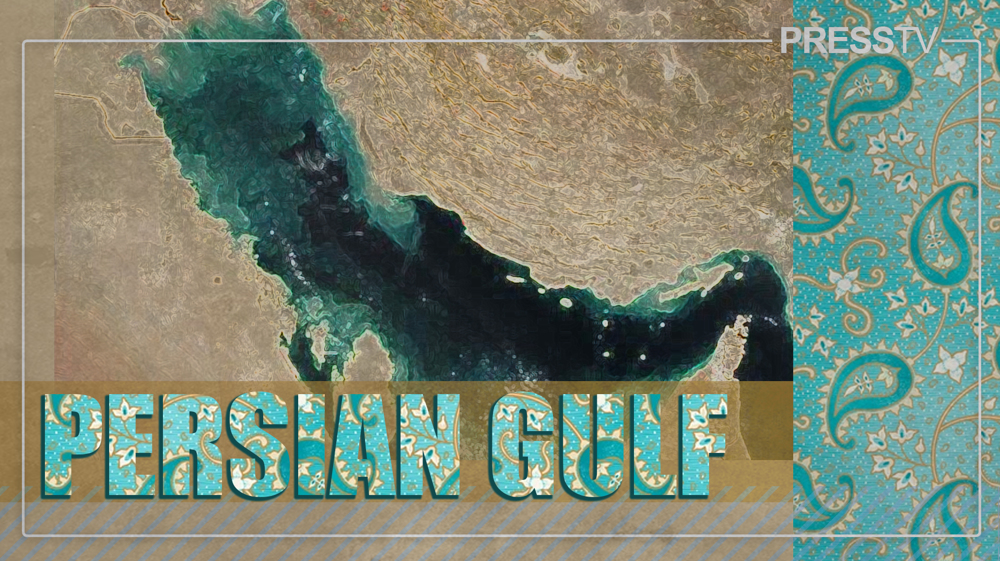

















Alwaght- While the US is trying to choke off the alternative routes Iran is using to continue its oil exports and trade, Iranian armed forces over the past seven months have shown that they do not allow the foreign powers to decide the fate of the strategic Strait of Hormuz without considering the security and interests of Iran.
In such conditions, one of the key impacts of heightened maritime insecurity in the Strait of Hormuz concerns the oil and gas tankers.
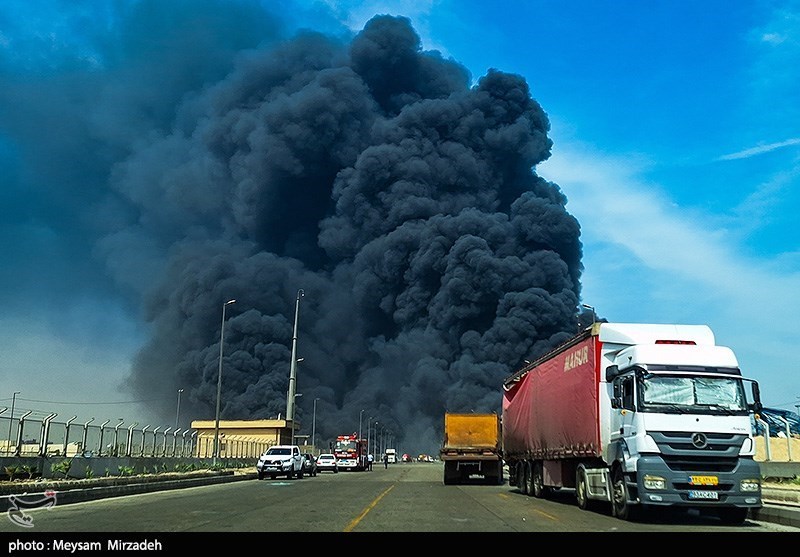
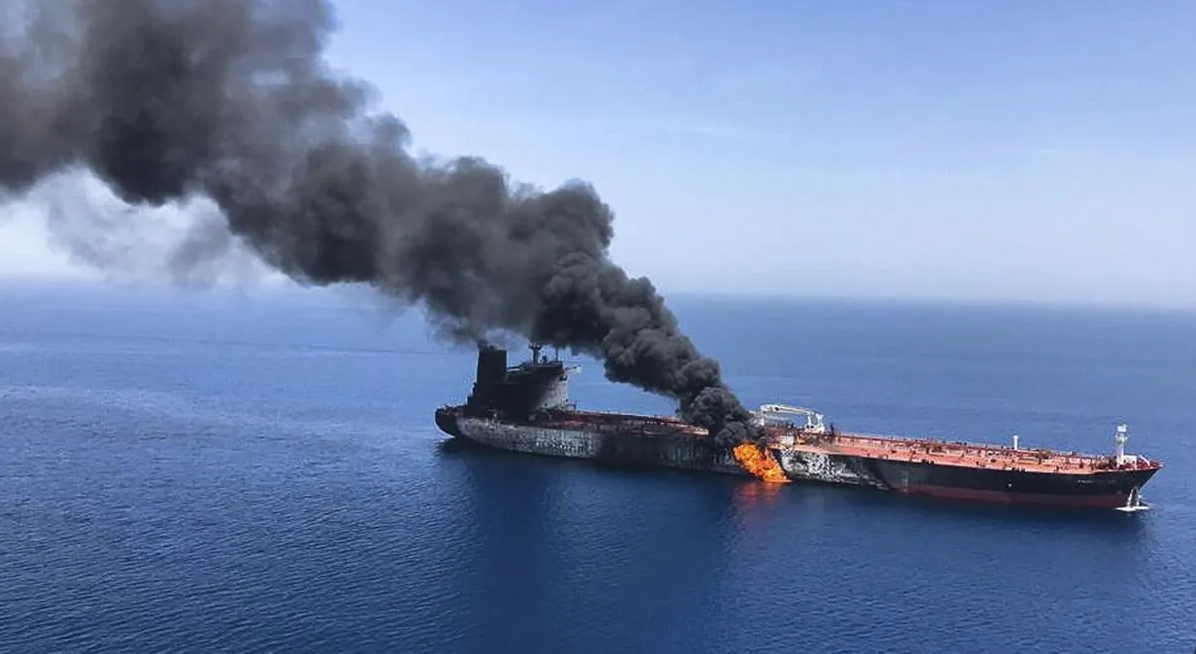
Iran announced that just on Friday, seven oil tankers were struck over one night. Also, United Kingdom Maritime Trade Operations (UKMTO) recorded 12 attacks on vessels in the seven days leading to October 16.
The question is no longer simply whether a handful of ships can pass through the Strait of Hormuz or must turn back. It is how much lost capacity the global economy can absorb if the war drags on and the damage to the tanker fleet widens.
Hormuz is one of the world's most critical oil transit chokepoints. According to US Energy Information Administration data, roughly 20.9 million barrels a day of crude, condensate and refined products moved through the waterway in 2025, about one-fifth of global liquid fuel consumption.
Hormuz matters for more than oil. A significant share of Qatar's liquefied natural gas exports also depends on the route. A prolonged disruption there could squeeze oil markets, gas markets, power-plant fuel and the petrochemical industry all at once.
The Bab-el-Mandeb strait, meanwhile, has already been disrupted by fighting between Yemen's Ansarullah resistance movement and Saudi Arabia. It, too, is a vital energy corridor, and insecurity there in recent years has pushed shipping companies onto the longer Cape of Good Hope route.
Therefore, if the Hormuz and Bab-el-Mandeb crises escalate in tandem, tankers will have ever fewer routes to choose from. Rerouting lengthens voyages, burns more fuel and raises crew costs, cutting the number of trips each tanker can make in a year. The result is that effective energy transport capacity can shrink even without a single ship being destroyed.
Building ships a multi-year process
Even if security is restored to the sea lanes and some trade flows resume, the sinking or crippling of a significant number of tankers, damage requiring lengthy repairs, would make a return to normalcy painful.
Every large tanker represents a slice of the global market's operating capacity. Pulling one ship out of circulation not only removes its direct capacity but can also scramble loading schedules, cargo deliveries and the timetables of other vessels. If this happens at massive scale, even countries whose oil production continues may find themselves short of ships or facing sharply higher freight costs to move their cargoes.
Building VLCC supertankers requires specialized shipyards, heavy equipment, marine-grade steel, massive engines, pumping systems and skilled labor.
New VLCCs were priced at roughly $120 million to $132 million on the 2026 market, according to S&P Global, with carrying capacities typically in the 200,000–320,000-ton range. Delivery times depend on shipyard capacity, vessel specifications and order backlogs, and many large orders stretch over several years.
To grasp the economic scale of the crisis, we should know that replacing 100 supertankers at an average price of $125 million would cost about $12.5 billion in initial purchases alone, before repairs, insurance, financing, crew training and lost revenue are factored in.
Not all damaged ships are beyond use, of course, and buying secondhand tankers or repairing vessels can offset some of the lost capacity. But if the damage is extensive and countries rush to place new orders at the same time, the shipyards' limited capacity could become a crisis in its own right.
China accounted for about 54.6 percent of global shipbuilding output by gross tonnage in 2025, according to the UN Conference on Trade and Development's Review of Maritime Transport 2025. South Korea held roughly 28 percent and Japan about 12.6 percent, together, the three countries controlled more than 95 percent of world shipbuilding by that measure.
Nor is their shipbuilding capacity unlimited. Yards are already booked years out, and a sudden surge in tanker demand would mean reshuffling priorities, sourcing components and raw materials, and allocating new production capacity. Replacing a battered fleet at scale, even with the world's largest builders pitching in, would be a time-taking process.
Hard to return to normal
With this in mind, extensive damage to the fleet of tankers can have impacts going beyond the time of war, and even when security is restored to the maritime routes, it can keep the cost of energy transportation high for a long time.
Also, countries depending on oil revenues will face crisis as the exports drop. Rallying oil prices in the global markets can increase the revenues per barrel, but if the countries find it difficult to sell their output, the income will not necessarily increase. Drop in hard currency flow can raise the expenses of governments, and make foreign commitment settlements and implementation of projects difficult. For example, Saudi Arabia had to scale down budget of its major projects with the closure of the Strait of Hormuz and Bab-el-Mandeb as well as drop of its oil and trade revenues.
That same revenue collapse may leave some companies too cash-strapped to order new tankers, even as idle shipping firms keep paying for maintenance, crew wages, financial obligations and some insurance costs, piling up enormous losses.
On the other side, the halt in oil flows and the tanker shortage could put serious strain on global energy stockpiles. At their latest gathering in London, senior oil industry executives warned that the world's strategic and commercial oil inventories have fallen to historic lows. Against that backdrop, continued disruption to oil shipments would sharpen pressure on global markets and could send prices soaring, crude has already topped $117 a barrel.
Finally, disruption at the strategic straits can choke off a large share of the world's oil and gas flows. And if the crisis comes with widespread damage to tankers, even reopening the waterways will not be enough to return energy markets to normal and replacing lost transport capacity will take time and heavy investment.