






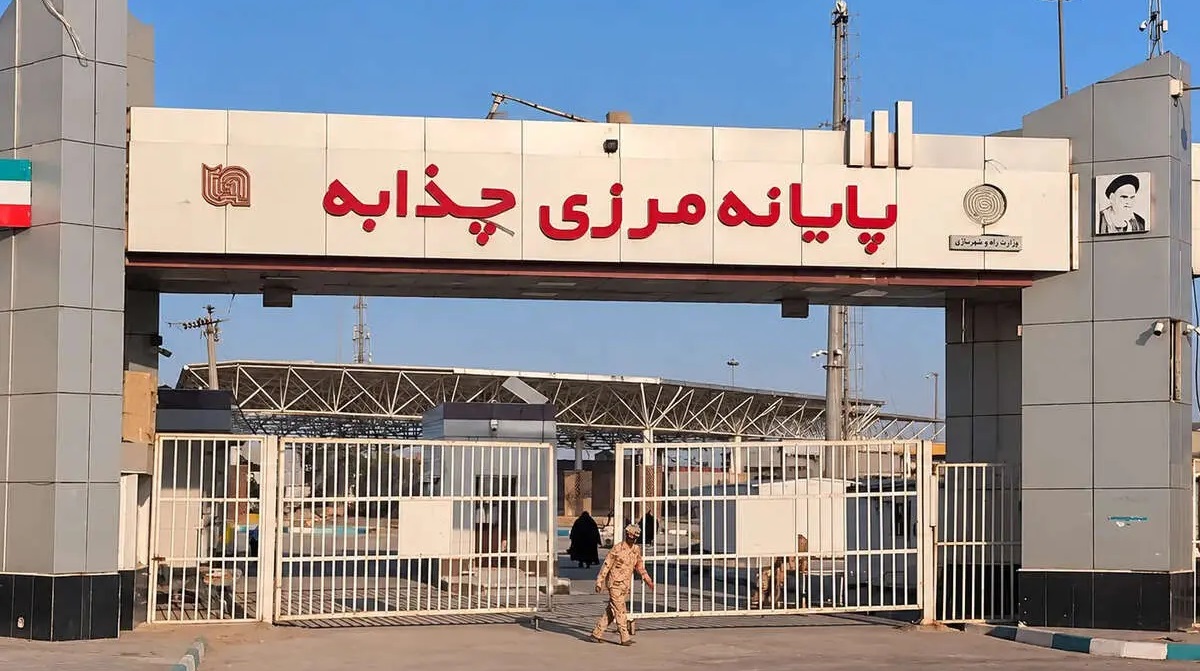


Alwaght- Iraqi government's decision to close down Chazabeh (Sheeb) border crossing with Iran comes amid reports of American pressures on Baghdad to restrict border interactions with Iran. The border crossing is located on the border with Iraq's Maysan province and is one of the key gateways for trade and movement of visitors between the two countries. Iraqi officials announced closure of the crossing on October 21 until further notice, a decision raising concerns about trade and neighborly relations of Iran and Iraq.
American pressure
According to AFP, two informed Iraqi sources said that Washington is pressing Baghdad to sever trade ties with Iran. The case was also raised recently with Iraqi Prime Minister Ali al-Zaidi by the US Department of Treasury. However, Iraqi officials have declined to make official comments on the drivers behind this decision, with Reuters, citing its sources, reporting that the crossing was closed down for urgent security reasons. So, the role of the American pressure here is serious and examinable.
A crucial border crossing
The central question now is whether Baghdad can balance its security commitments against its strategic relationship with Tehran, or whether foreign pressure will force decisions whose heaviest costs land on ordinary Iraqis and Iranians alike. The Chazabeh border crossing is no mere geographic checkpoint; it anchors a sprawling economic and social network that binds together traders, truckers, pilgrims and families on both sides of the frontier. Trade between the two countries topped $10 billion last year, according to reports, and broad restrictions could rattle markets for essential goods, threaten border communities' livelihoods and drive up agricultural prices in Iraq.
Saudi machinating
On the other hand, Saudi Arabia has called for action of the Iraqi government in response to drone attacks on its soil allegedly carried out from Iraq. The Iraqi government in such circumstance is facing heavy political and security pressures. However, many agree, these security concerns should not stand as an excuse to undermine legitimate economic and neighborly relations with Iran. Meanwhile, some observers do not rule out that the closure of the Iraqi borders with Iran are driven by Saudi pressure, saying that the kingdom's push on the Iraqi government to throttle border movement with Iran is one factor behind this situation.
Iraqis opposed to the move
Opposition to the restrictions on Iran-Iraq ties is mounting inside Iraq as well. When flights from Iran were curtailed, Iraqi political blocs and resistance factions condemned decisions driven by US sanctions and insisted that Baghdad make its own calls. Reports of protest gatherings in Najaf surfaced, and arrangements were subsequently made to resume flights from the city. That episode demonstrated that social and political pressure in Iraq can force a rethink of decisions affecting ties between the two people's, and it is hardly far-fetched that broad Iraqi public pressure and discontent among resistance factions will ultimately push Baghdad to rescind the closure of the Chazabeh crossing.
Iraq is a sovereign country, and its border policies should be set by national interests, genuine security and the will of its people, not merely in reaction to pressure from foreign powers. Drawing on their historical, religious, economic and geographic ties, Tehran and Baghdad can resolve security issues through dialogue and joint cooperation. Keeping legal trade flowing, reopening crossings as quickly as possible and preventing borders from becoming instruments of political pressure would serve not only Iran's interests but Iraq's economic interests and its independence of decision-making as well.