













Alwaght- "Any attack on nuclear facilities anywhere violates the fundamental principles of nuclear safety." Rafael Grossi, head of the IAEA, has repeated that line time and again throughout the Ukraine war. But as the conflict against Iran escalates, with repeated US and Israeli strikes near the Bushehr nuclear facility and the latest attack on the under-construction Darkhovin plant, the question now looming large in Tehran is: has the IAEA shown the same level of concern when it comes to Iranian nuclear sites?
Many political observers believe that although the agency in some cases voiced its concerns over the dangers and threats posed to Iranian nuclear facilities by Israeli and American aggression, the intensity, speed, and domain of the agency's reaction are incomparable to those shown over the past four years regarding Ukraine. Even a look at reports suggests that the IAEA issued no condemnation statement on the joint Israeli-American attacks on Iran's nuclear facilities, something disclosing double standards of this international organization in dealing with Ukraine and Iran wars.
Immediate reaction in Ukraine
From the very first days of the Russia-Ukraine conflict, the IAEA turned Ukraine's Zaporizhzhia nuclear plant into one of its top priorities.
Rafael Grossi personally traveled to Ukraine multiple times, the agency stationed a permanent inspection team at the facility, issued dozens of official statements, convened special Board of Governors meetings, and even managed to broker several localized ceasefires between the warring sides to allow for repairs and safety upkeep.
After nearly every drone strike, missile attack, or even power-line cut at Zaporizhzhia, Grossi put out a statement warning that continued assaults could push the world toward a nuclear catastrophe. The IAEA also drew up seven pillars of nuclear safety in armed conflict, and repeatedly pressed for them to be honored.
Limited warnings without followup for Iran
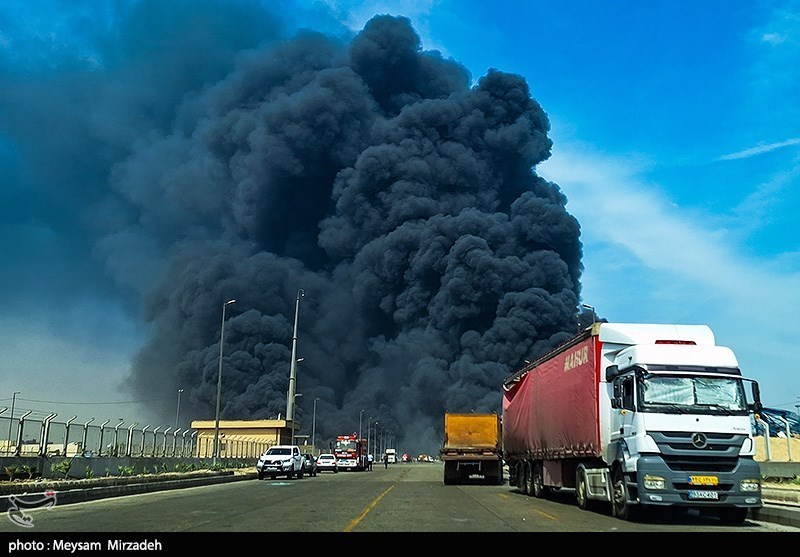
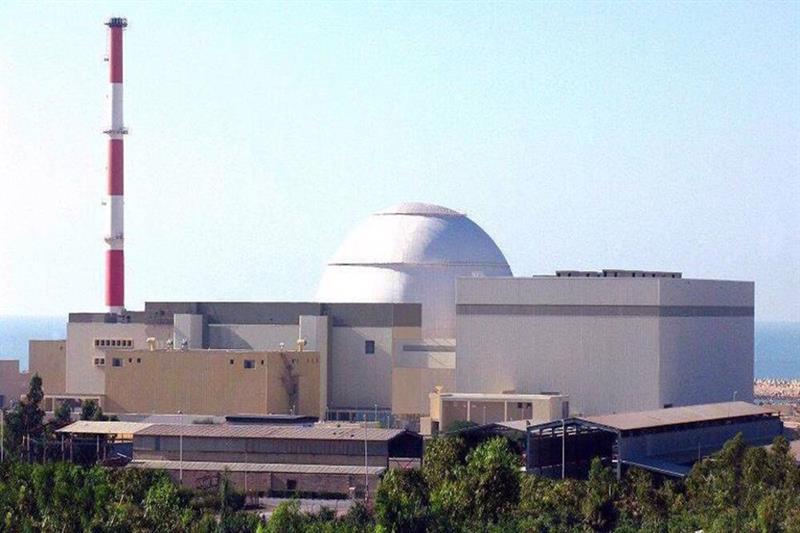
When the US and Israeli regime started their aggression against Iran, Bushehr Nuclear Power Plant came under rocket and bomb attacks several times. Satellite imagery confirmed that projectiles struck near the power plant.
The agency confirmed attacks were carried out near the nuclear site, adding that the reactor that is operating took no damage, but warned that the attack on the power plant could have vast radioactive fallout in Iran and the regional countries.
Yet, unlike the Ukraine case, no emergency Board of Governors meeting has been called, no special inspection team has been dispatched to Iran, and no mechanism, akin to the Zaporizhzhia local ceasefires, has been proposed to protect Iran's nuclear sites.
This very discrepancy lies at the heart of Tehran's accusations of a double standard in the IAEA's wartime approach to Iran versus Ukraine.
The latest example played out during the recent US strike on the under-construction Darkhovin nuclear plant. In a strikingly passive response, the agency noted that the site had contained no nuclear material during its last inspection, so there was no immediate risk of radiological release. The IAEA said it was reviewing the reports and reminded that Darkhovin is in its very early construction stages, with no nuclear material on-site at the time of the last visit.
Critics, however, argue this misses the point entirely. The issue is not simply whether nuclear material is present or not, the very act of striking an IAEA-safeguarded nuclear facility demands clear and unequivocal condemnation, exactly as we have seen time and again with Ukraine. So far, the agency has failed to condemn the US attack on Darkhovin.
Tehran criticizes "passivity of IAEA"
Over the past months, Iran's nuclear agency chief Mohammad Eslami repeatedly wrote to the IAEA, calling on the organization to clearly and openly condemn the attacks on Iran's nuclear facilities.
Iran's nuclear agency spokesman Behrouz Kamalvandi said that silence or minimal reactions of the IAEA have created the notion that attacks on nuclear sites of some countries can go without political costs.
Independent experts argue thar if attacks on Ukraine nuclear power plants marks a threat to the world nuclear safety, the same logic should apply to Iran.
What do the experts say?
Some experts say that the agency in recent years has been influenced more than any other time by political atmosphere of Western powers. International affairs expert Hassan Beheshtipour suggests that the IAEA should act merely on technical standards when it comes to nuclear safety and evade any political impacts.
Many experts argue that when international bodies treat similar crises differently, they undermine their own credibility in the eyes of the public and reinforce the perception that global rules are not applied evenly to all nations.
From their perspective, if the IAEA's core principle is that "no attack should ever threaten nuclear safety," that principle must not be interpreted through a geopolitical lens. The central matter, they say, is the fundamental ban on striking nuclear facilities, a ban that must be defended equally, regardless of whether the site sits in Ukraine, Iran, or anywhere else.
Actually, the US aggression against Iran has thrust the IAEA into a new test, one that goes far beyond nuclear safety and cuts straight to the agency's very credibility and impartiality.
If the IAEA wants to be recognized the technical and impartial reference of the non-proliferation regime, it must take balanced reaction and clear standing regarding attacks on or threats to nuclear sites regardless of the identity of the waring sides. Otherwise, criticism directed to it for its double standards in performing its duties will continue.