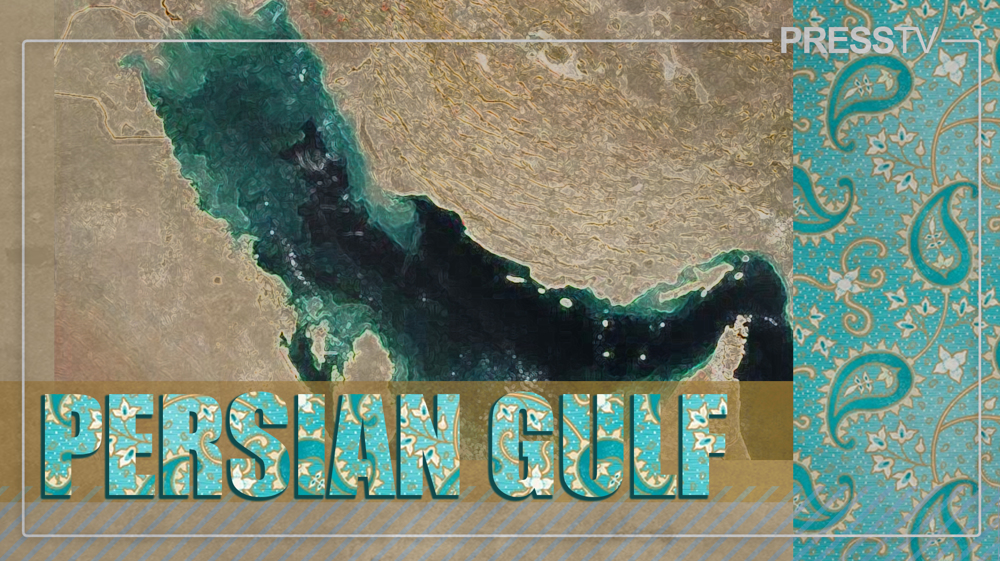








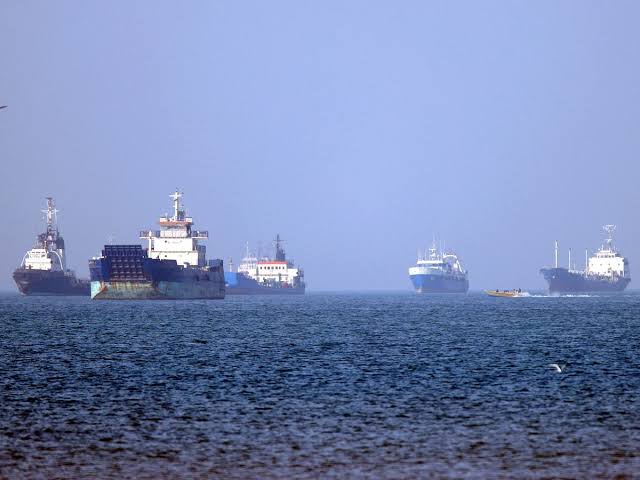


Alwaght- As oil prices surged again over the past few days following rejuvenated clashes in the Persian Gulf and the closure of the Strait of Hormuz to tanker traffic, the International Energy Agency issued a warning on Friday about a high probability of market shortages in the months ahead.
IEA Executive Director Fatih Birol called the current situation "the biggest supply disruption in the history of the global oil market" and warned that the world should be concerned about energy security. That concern signals a deeper shift in the market’s underlying dynamics: traders are no longer reacting solely to war news or military posturing and they are focused on one question above all who actually controls the flow of energy?
In recent weeks, the US President Donald Trump tried to calm global markets by projecting that the US would seize control of the strait and would not allow any disruption to oil exports. The aim was to ease supply fears and contain prices through a show of American naval dominance.
But market trends have told a different story. In just one week, oil hit $85 a barrel and is expected to quickly return to pre-truce levels. Far from stabilizing, prices have stayed volatile. Add the IEA’s warning, the rising risk of WTI hitting $130, and growing anxiety among market players, and it is clear that traders are no longer buying Washington’s promises. They are making decisions based on real developments in the strait.
This situation signals that the Trump administration has failed on two strategic fronts: first, it has not been able to wrest control of the strategic waterway from Iran and second, it has failed to convince global markets that the US alone can guarantee energy supply security.
Trump's failure to checking rallying oil prices
From the very first days of the US aggression against Iran, one of the White House's top concerns was preventing an oil price spike, because a sharp jump in energy costs would put enormous pressure on the American economy, domestic inflation, and global financial markets.
In past crises, the US administrations typically relied on three tools to tame the market: a show of military force, tapping strategic petroleum reserves, and coordinating with major producing countries.
In this connection, Birol said that the US oil output increase is very good, but 2 million oil barrels a day more cannot meet the 10 million shortage in the global markets.
This time around, Trump added a fourth: declaring that America would seize control of the Strait of Hormuz and not allow Iran to disrupt export flows. Washington's calculation was simple; if the market bought that claim, a big chunk of the "geopolitical risk" premium would be stripped out of oil prices.
But the result was exactly the opposite.
Every time news broke about slower tanker traffic, rising insurance risks, or Iranian moves to manage vessel transit, oil prices climbed again. The market, it turns out, is not listening much to politicians; it is responding to what' is actually happening on the ground.
When Iran reads Trump's mind
Perhaps the most consequential shift in this crisis did not happen during the fighting, but unfolded during the ceasefire.
Tehran quickly grasped that Washington's real aim was to use the truce to cement a new security order in the Strait and position the US as the sole guarantor of maritime safety. So Iran dug in, insisting on preserving its own role in managing vessel traffic and refusing to let Washington claim that political victory for itself.
On the surface, this looked like a routine security dispute. In reality, it sent a direct message to global energy markets.
Iran signaled to traders, insurers, and shipping companies that security in the Strait remains unthinkable without Tehran's involvement, and that no country, not even the US, can reopen that strategic waterway without Iran's consent. In doing so, Tehran effectively neutralized Trump's most important talking point for calming the markets.
Markets listen to real power not political rhetoric
Financial markets react above all to credibility. For oil traders, the real metrics matter: tanker traffic volumes, insurance premiums, shipping delays, the status of naval deployments, and international agencies' risk assessments for maritime transit.
All of these indicators still point to fragility in the Strait of Hormuz. That is why extreme scenarios, like WTI crude hitting $130 a barrel, are now getting more serious attention from the market than ever before.
The very fact that such a scenario is now being discussed as a real possibility shows that market confidence in the American ability to manage the crisis has eroded sharply.
Oil price checks neutralized
One key difference between the current crisis and the oil shock during the 40-day war is that many of the traditional market-control tools no longer pack the same punch.
In the previous crisis, major consumer countries could tap their strategic petroleum reserves to offset a significant chunk of supply shortfalls and keep prices in check. But the 40-day war burned through or released a substantial portion of those reserves. As a result, big governments today simply don't have the same intervention capacity they once did. That means any fresh supply disruption will have a far more dramatic impact on oil prices than in the past.
In other words, this new wave of price hikes could prove much harder to contain than previous shocks, because much of the reserve cushion and crisis-response arsenal has already been spent.
China no longer plays savior of market
Another major factor is the shift in China's behavior.
In recent years, Beijing had become one of the most important stabilizers in the oil market, leveraging its massive commercial and strategic reserves. According to the IEA chief, before the war China alone held over 1 billion barrels of oil, and it released part of that to the market to help keep prices in check. During the 40-day war, Beijing absorbed a significant portion of the supply shocks and prevented a steeper price spike.
But that dynamic has now changed. China's reserves have also come under pressure in recent months, and all signs suggest Beijing is no longer willing to dip into its stockpiles just to cool global prices. If that stance hardens, one of the market's most important shock absorbers will be gone.
In that scenario, any fresh disruption in the Strait of Hormuz could send oil prices soaring even faster, because Western strategic reserves no longer have the capacity they once did, and China is no longer stepping in as the market's balancing force.
Strait of Hormuz, a theater of competition over strategic credibility
Today, the Strait of Hormuz is no longer just an energy corridor, it has become an arena for a contest over strategic credibility.
For the US, proving that it can both create and contain crises while safeguarding global trade is part of its international standing. Iran, in turn, is determined to show that no security order in the Persian Gulf can hold without Tehran's participation. Its insistence on maintaining a role in managing vessel traffic during the ceasefire period can only be understood in this light.
That move pushed global markets to a conclusion that the future of energy security still hinges on Iran's behavior, and they can not afford to bank solely on the US political promises.
In general, it should be said that the IEA's latest warning is not just about the risk of supply disruptions. It is a signal that the balance of power in the global energy market is shifting.