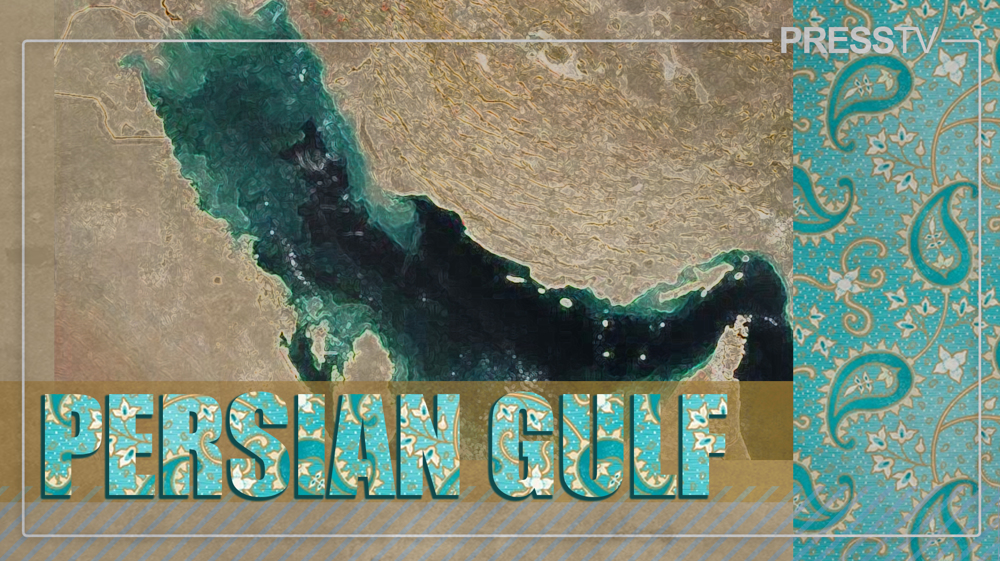

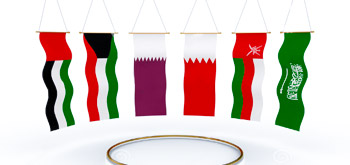



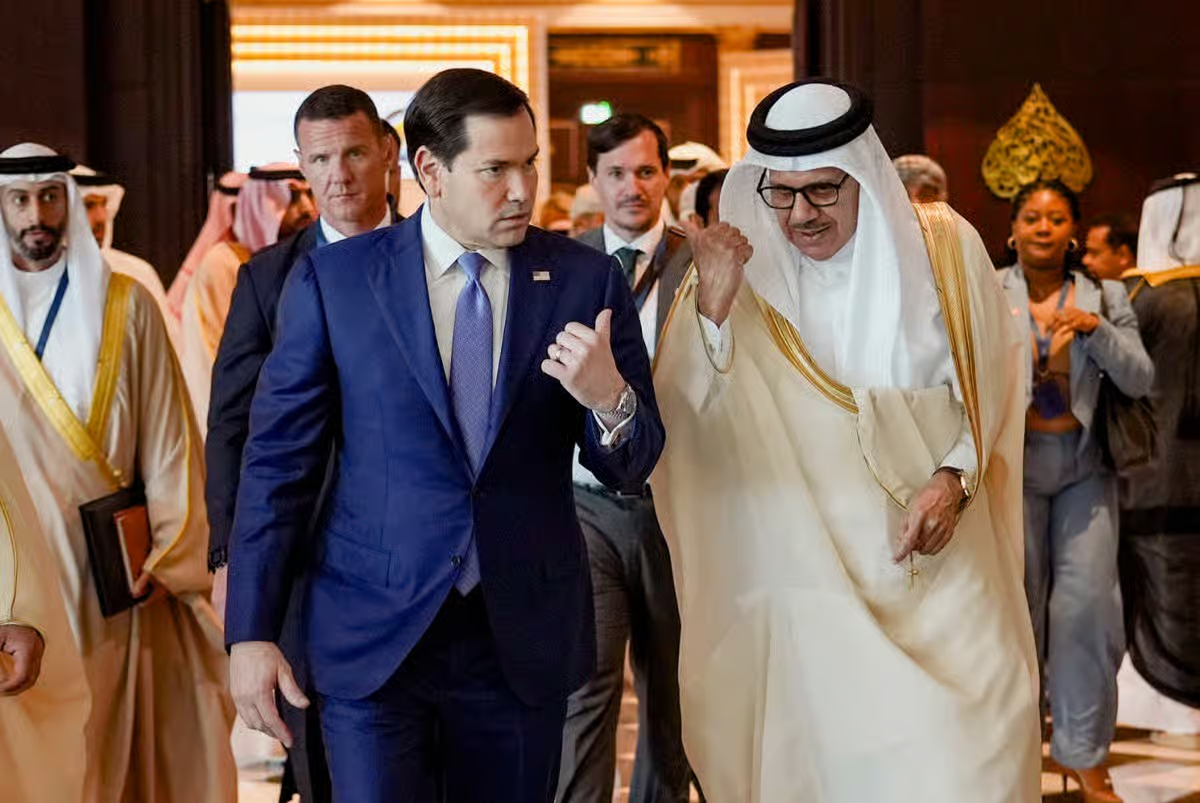


Alwaght- The US Secretary of State Marco Rubio has toured Persian Gulf for the first time since the war with Iran and signing the peace deal with Tehran. Visiting the three countries of the UAE, Kuwait, and Bahrain, the top US diplomat also held a summit with (Persian) Gulf Cooperation Council, closing the meeting with a joint statement.
The US stated that the tour's agenda included talking regional issues like the deal Washington signed recently with Tehran, also safe navigation of ships through the Strait of Hormuz, and the regional stability.
Separate from this stated agenda, the visit should be seen as an effort to discuss the state of future relations between the Persian Gulf Arab monarchies and the US. For decades, these countries have lived in a "petrodollar" order: They deal their oil for US dollar, advance the major American energy policies, and in return Washington promises them protection against threats. But Iran war, officially called Ramadan War by Tehran, revealed the degree of vulnerability of the American order.
The security umbrella meant to shield these countries from threats is now riddled with gaping holes, and it is up to Washington to patch them. The US currently maintains at least 19 military bases across West Asia and North Africa, and during the war deployed some 40,000 to 50,000 troops in the region. But the latest conflict made one thing clear: in a war scenario, that many forces and assets do not guarantee safety, and they become a costly liability and a prime target for Iran if direct confrontation with the US breaks out. That is a prospect Persian Gulf Arab states find deeply alarming.
Against this backdrop, the US has long seen itself as the guarantor of global energy transit security. Yet the closure of the Strait of Hormuz has now become one of its most formidable headaches. The current US-Iran interim agreement is fueling plenty of anxiety for that very reason. Under the preliminary terms, Tehran has agreed to waive transit tolls for ships passing through the strait for just 60 days, after which both sides are set to revisit the issue.
Throughout the war, the UAE, Bahrain, and Kuwait, all heavily dependent on Persian Gulf exports, saw their economies take a serious hit. Saudi Arabia managed to cushion some of the blow by diverting a portion of its exports through east-west pipelines, but other regional states lacked that kind of backup. Now, with war and the strait's closure, and with trust in Washington's ability to secure maritime routes eroding by the day, these countries are once again scouting alternative paths for their energy exports and trade. That may well be the single biggest concern for Persian Gulf Arab states today. It is no surprise, then, that at the close of the latest (Persian) Gulf Cooperation Council summit, member states issued a joint statement rejecting Iran's imposition of tolls on Hormuz transits.
In a comment, Rubio said that if Iran wants to toll the transit in the Strait of Hormuz, this will spread in the world "like virus" and then any country can try to impose transit fees on the international waterways. Perhaps, this is the most important political outcome of his visit.
Washington wants to forge a kind of consensus against Iran in the region. Actually, the moment the Arab countries' ships adopt the Iranian order in the Strait of Hormuz, they signal a recognition and legitimacy for this mechanism, which means a new order. Some countries find this against their interests, but at the same time they hold no tools to counter it. So, Rubio visited the region to somehow respond to their concerns.
The (P) GCC statement also threw its weight behind the technocratic committee managing Gaza's reconstruction, backed a disarmament process for Hezbollah in Lebanon, and condemned Iran's drone strikes on member states' infrastructure.
But at this point, the region's biggest problem is not just distrust in the US's capabilities, it is distrust in Washington's political will. Take Qatar as a case in point. During the 12-day war, Iran struck the country as home to the sprawling Al Udeid US airbase, and Israel later targeted a Hamas leadership meeting on Qatari soil with missiles. That is precisely the bind many Arab states find themselves in. In Qatar's case, the US lacked the air defense capacity to fully repel Iran's attack. And when it came to the Israeli strike, reports suggest it was coordinated with the US military, meaning the issue was not inability, but unwillingness to intervene.
Many Arab countries have come to feel that Washington, from the war's outset through its duration, was primarily acting to advance Israeli interests, and would readily sacrifice Arab security and interests whenever those clashed with that priority. That is precisely why Rubio's regional tour reads as an attempt to rebuild American security and economic ties with the Persian Gulf states. Still, it is hard to see Washington pulling off any fundamental reset. More likely, it will dangle some carrots, limited concessions, security guarantees, and promises, to keep these countries tethered to the old order, lest they drift toward a new one in which China is the boss.
In general, Rubio's Persian Gulf tour should not be seen as an ordinary diplomatic visit or a complex of ceremonial meetings. It actually reflects the US push to manage war consequences, rebuild the damaged trust of Arab allies in Washington, and prevent a shift of geopolitical balance in the Persian Gulf region.
Though the US still tries to mark itself as the guarantor of Persian Gulf security, the war realities and developments of the past few months suggest that many of these Arab countries no longer trust this American role. That is why observers suggest that the future of the US ties to these monarchies more than any other time hinges on Washington's ability to provide effective guarantees, not just empty political promises, something deemed to impact the regional order path in the years to come.