

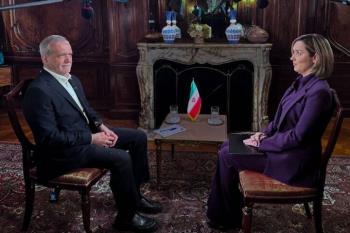













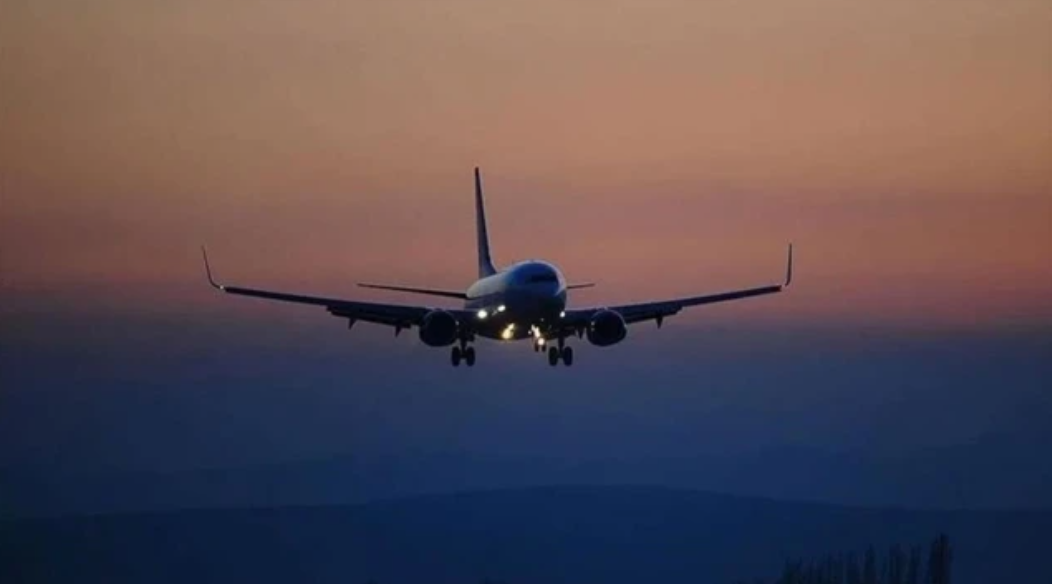


ALWAGHT- Iraqi political analyst Mohammad Mazaheri stated that the halt in Iranian commercial flights to Iraqi airports should be viewed as more than a matter of aviation or economic policy. In his assessment, the suspension has become a broader test of Baghdad’s ability to assert its sovereignty and maintain political independence as pressure from Washington intensifies.
Mazaheri said the suspension followed a September 8 US Treasury warning that airports serving Iranian flights could lose access to the US dollar clearing system. He attributed the disruption to US secondary sanctions, refusals by British ground-handling firms to service Iranian aircraft, and an alleged directive from Iraq’s prime minister’s office.
He linked the dispute to broader US pressure on Baghdad, noting Prime Minister Ali al-Zaidi’s meetings with US officials in New York and remarks by Marco Rubio concerning the disarmament of regional resistance groups. Mazaheri argued that the aviation issue could therefore affect the wider political balance between Baghdad and Tehran.
The suspension has drawn criticism from several Iraqi political factions and former Prime Minister Adil Abdul-Mahdi, while officials have sought to shift responsibility toward private contractors and pursue diplomatic solutions. Mazaheri noted that Iranian passengers account for more than 70 percent of traffic at Najaf airport, making alternatives such as dinar-based settlements or US humanitarian and pilgrimage exemptions potentially important.
Looking ahead, Mazaheri called for Tehran to focus on financial and legal mechanisms rather than confrontation, while coordinating its economic, diplomatic and religious ties with Iraq. He also recommended seeking exemptions for medical and religious travel and strengthening Iran’s border-airport and overland transport capacity to reduce long-term vulnerability.










