











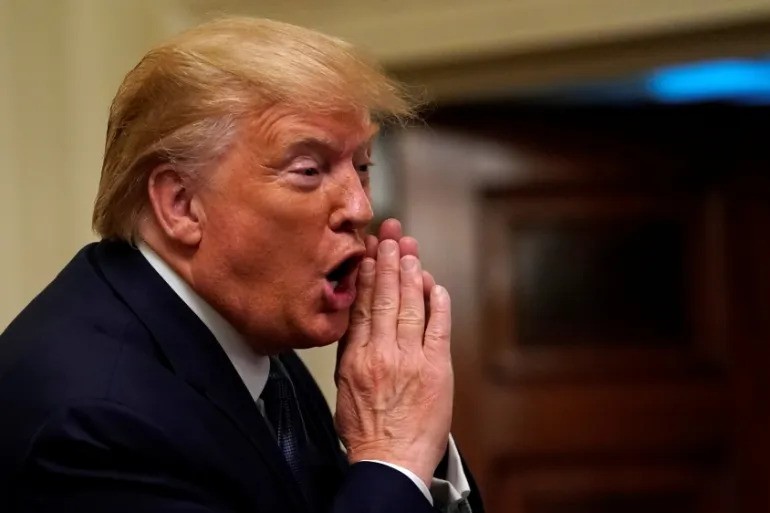


Alwaght- The US President Donald Trump has lost his credibility even at home, so much so that recently the Democratic senator Adam Schiff commented on his treachery, saying that the president makes "falsehood after falsehood" and that the president's account of the state of negotiations to end the Iran war “lacks a lot of credibility.”
The Hill, in a report, quotes the Democratic senator from California as saying on CNN: “When a president squanders his credibility by lying, and the American people have no idea when they can actually believe him, that itself is a problem.”
Schiff said he does not see any strategic point in vague, incoherent remarks. “We don’t become stronger when we can’t trust our own president.”
He went on: “Every time the president makes a claim about how eager Iran is for a deal, he’s really talking about how eager he is for a deal.”
The US senator said he fears the talks will end with “Trump announcing a deal on some other date to save face”, a move he called a major failure for his own country.
"One thing is crystal clear: the damage has been massive, and American families will have to pay the price,” he said.
This is far from the first time Trump has lied about going to war with Iran. CNN’s fact-check count shows the US president has lied at least 38 times about ending the Iran war. Below, we look at Trump’s falsehoods on the war with Iran:
Lie 1: Selling hundreds of millions of oil
Last week, Trump claimed the US run a "secret mission" for helping the oil tankers and commercial vessels in the Strait of Hormuz, with the outcome being transfer of 100 million oil barrels and over 200 commercial ships.
ABC News, however, questioned credibility of his allegations, citing senior energy officials of his administration that reject his claims.
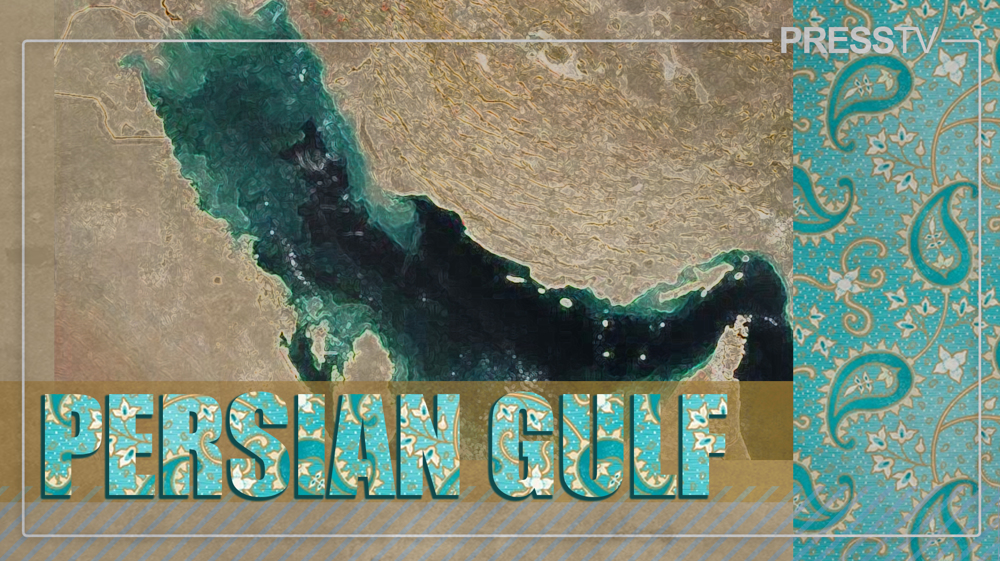
Al Jazeera, too, cast doubt on the Trump's claims about selling millions of oil barrels in the Persian Gulf amid the US blockade on Iran, saying that to transfer 100 million oil barrels in such a short time, hundreds of ships were needed starting even before the war. The ship tracking data, however, show a very lower figures of the ships crossing the strait.
Other American officials have not confirmed Trump's claims, and Secretary of Energy Chris Wright failed to digest words of his boss about oil, saying "I'm unaware."
Lie 2: Fully destroying Iran's nuclear program
Trump has repeatedly claimed that American and Israeli strikes “completely destroyed” Iran’s nuclear facilities. But the US intelligence reports and nuclear experts’ assessments tell a different story: Iran’s nuclear program has been seriously damaged and set back, but not completely destroyed. Some capabilities and nuclear stockpiles remain.
The Jerusalem Post also reports that based on publicly available information and the assessments of many experts and international bodies, no one can say Iran’s nuclear program has been totally eliminated. Rafael Grossi, head of the International Atomic Energy Agency, has said many times that while war can destroy facilities, it cannot wipe out “technical know-how” or the ability to rebuild. No war, he argues, can completely erase a country’s nuclear program.
Lie 3: Iran was close to building nuclear bomb
Trump has repeatedly claimed that Iran was on the verge of building nuclear weapons. However, assessments published by the US intelligence community and also the International Atomic Energy Agency (IAEA), say that they had no evidence Iran had active program to development nuclear arms. Furthermore, turning the enriched uranium into an operational nuclear weapon takes other stages like designing payload, explosion system, miniaturizing, and installing on a rocket. Grossi said the IAEA held no evidence of a systematic program for building nuclear weapons.
Lie 4: US fully controls Strait of Hormuz
Trump has claimed on multiple occasions that the US effectively controls the Strait of Hormuz. Yet field reports tell a different story: widespread shipping disruptions, surging insurance premiums, halted or reduced tanker traffic, and ongoing Iranian threats. So, if Trump really believes the US controls the strait, why is he also claiming to have struck a deal with Iran to “free it up”?
Ali Vaez, a senior analyst with the International Crisis Group, put it this way: “Iran’s ability to choke off the Strait of Hormuz has become a major strategic lever, putting real pressure on the United States.”
Lie 5: War has won its goals
Trump has repeatedly talked about full success of operations against Iran. On the other side, many analysts and even some American media outlets said that Washington’s stated goals about Iran's nuclear program, Iran's regional influence, and sustainable security in the Persian Gulf have not fully been realized.
Trita Parsi, an Iranian-American political analyst, has held that Trump is squeezed for saving the ceasefire and reaching a deal and he is seeking a way out of war since he "failed" to realize his initial war objectives. Robert Kagan, a prominent US foreign policy analyst, on a recent TV program said that "Washington has suffered a total failure" and that "there is no way to an American triumph."