






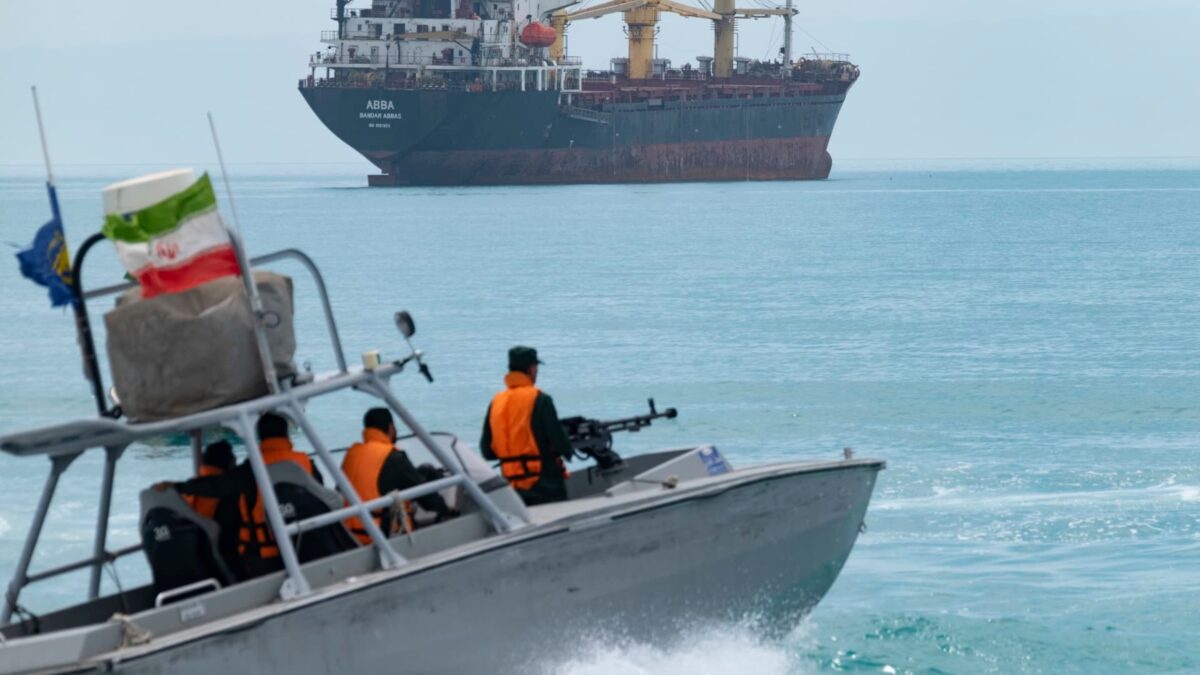


Alwaght- Over the past several days, the US has been engaging in aggression and stoking fires in the Persian Gulf and off Iran’s coasts under various pretexts. Three key points stand out on this regard:
1. Gradual attrition and destruction: The US President Donald Trump has repeatedly and falsely claimed, for the sake of misleading the American public, who, though far from the battlefield, are growing increasingly anxious about the war’s consequences, that he has crippled Iran’s defense and military capabilities. In reality, that very vulnerability is where he keeps taking heavy, costly blows. So it appears that Trump intends to destroy Iran’s military assets and equipment in its coastal areas, surrounding regions, and even farther afield through intermittent, sub-threshold, and attritional strikes, gradually wearing them down. This would pave the way, if needed, for broader military operations in the next phase of an extended conflict. Therefore, swiftly repairing and reinforcing whatever has been damaged or destroyed in these clashes must become an urgent priority. That way, while maintaining existing deterrence, any groundwork for such future escalation would be thoroughly eliminated.
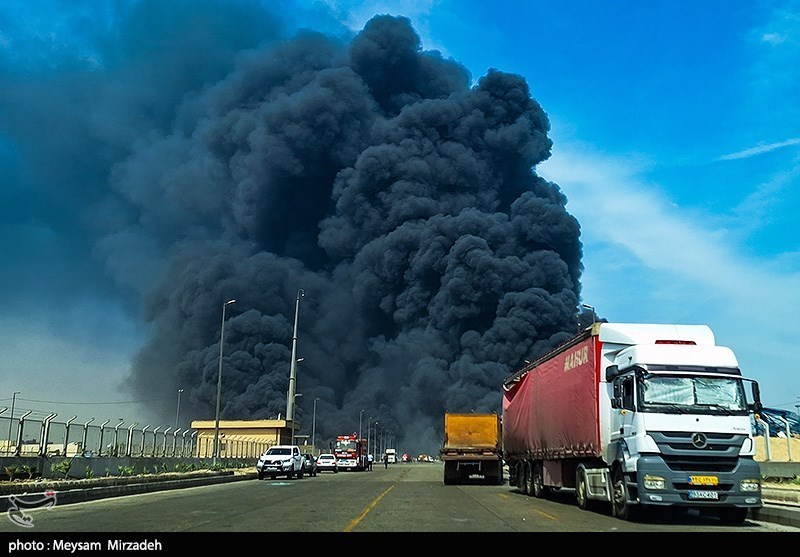
2. Low-intensity destruction of infrastructure: The US attack on a cargo vessel carrying essential goods, small industrial units, drinking water sources, and facilities along the southern coastline shows that America intends to quietly, step by step, and almost imperceptibly knock out small but vital components of daily life in the region—taking them out of production and supply. This would gradually pressure the local population, who as a crucial link in the chain would then transfer that pressure to the government. Rapidly compensating for such damage, as was done in the case of the water source in the Bomani area, along with launching equivalent, retaliatory strikes against the source of the attack, could help restore a deterrent balance on this front.
3. Extracting concessions through pressure: After American attacks on several of Iran’s southern coastal areas over the past few nights, the Wall Street Journal quoted the Pentagon as saying the strikes were meant to extract concessions from Iran in negotiations. This official acknowledgment, which is not far from the truth, implies that Iranian negotiators have so far stood firmly on the right positions. By sticking to their principles, they have prevented the Americans from breaking through their strong defenses, forcing the US side to resort to military tactics, yet even that has gained them nothing. In this situation, to punish the American side, Iranian negotiators must make the terms of negotiation even tougher. Only then will the Americans realize that the military approach is ineffective and counterproductive, and remove it as an option tied to talks. Meanwhile, the trade of fire over the past few days has yielded a valuable lesson for Iran. Here’s how: Before launching these strikes, Trump first tried to intimidate Iran with threats, later echoed by the rhetoric of some of his associates, as well as by Israeli media and officials. When Iran refused to take those threats seriously, he followed through on them, aiming to project a credible threat. His goal was to turn that threat into a bargaining tool for critical moments and salvage his damaged image in global public opinion.
Iranian forces, however, had already been matching his threats with threats of their own. And after the American military action, they delivered a powerful response. That sent Trump a clear message, telling him that if he is trying to start a game of credible threats, Iran will respond with a crushing, wide-ranging retaliation, and by showcasing an even more credible counter-threat, it will torch the whole board he is playing on.
If all Trump really wants from these intermittent operations is what was mentioned above, then Tehran’s more credible threat suffices to break that game. Unless, of course, Trump has a more complex objective in mind, one that would require a separate analysis.