













Alwaght- The intra-Yemeni peace negotiations started in Kuwait on Thursday. The opposing sides are aiming to work out a plan to cease the fire after over a year of civil war which went worse after the Saudi-led Arab coalition intervened to restore to office the ousted President Abd Rabbuh Mansour Hadi.
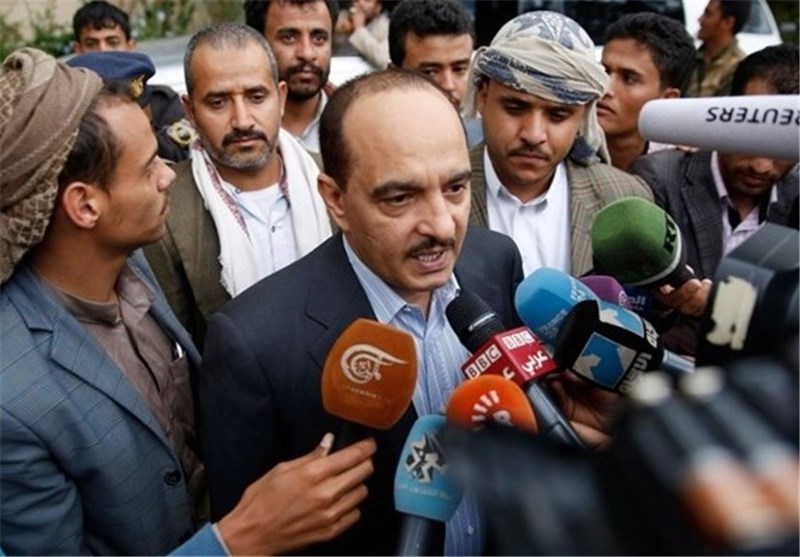
Mohammad Abdelsalam, the spokesman to Yemen’s Ansarulah movement and the chief negotiator of the Yemeni delegation has said that his delegation held talks with the Kuwaiti officials before going to the negotiating table.
The Kuwaiti Foreign Minister Sheikh Sabah al-Khalid Al Sabah, whose country is a member of the Arab military coalition against Yemen, in an opening address has called on the Yemenis to "turn war into peace and backwardness into development".
The chief Yemeni negotiator has said that it seemed that the atmosphere of the negotiations was more positive than before and there was optimism on success of the peace dialogue. He said that “it is too early to decide on how the negotiations would go on.” He left the possibilities open, saying “anything could happen in this round of negotiations.”
"We demand that the Arab collation halts all kinds of aggressive measures against the Yemeni people” said Abdelsalam. He added that ending the assault was needed before any move to work on an inclusive peace plan with the other side.
Since 2014 Yemen has been crippled with a civil war after the Yemenis revolted against the former President Mansour Hadi. He fled the country to Saudi Arabia only to quit his resignation and call the Arab countries, led by Saudi Arabia, to strike his opponents at home.
On March 26, 2015, Saudi Arabia, backed by its Arab allies, launched an offensive on Yemen. The US and other Western allies of Riyad have provided the kingdom with weapons as well as logistics.
The rights groups several times asked Riyadh to halt its airstrikes which they said not only targeted the aimed positions but also pounded civilian sites and killed many Yemenis, including women and children.
This is the first time that the Yemeni warring factions hold direct UN-sponsored talks. The sources suggest that progress has been made and they “will meet again despite failing to agree on an agenda,” Reuters reported, quoting the participants.
According to Yemeni participants in the peace talks, the major sticking point remained the war against their country which so far has taken lives of 9500 people, and at the same time gave rise to the terrorist groups including Al-Qaeda and ISIS.
Since the beginning, the Arab military alliance imposed an air, sea and land siege on Yemen, creating a humanitarian crisis in the already-suffering country.
The UN has so far failed to press Saudi Arabia to cease its hostilities against Yemen due to pressures from Riyadh’s staunch Western allies like Washington and London which are keeping to issue licenses for weapons exports to the Arab kingdom while the human rights groups presented evidences, warning them that the purchased arms were directly used against the Yemeni civilians.
Riyadh insists that the resigned government must return to work in Yemen. Due to Saudi Arabian pressures Mansour Hadi took back his resignation after leaving the country and heading to Saudi Arabia.
Ansarullah and other Yemeni groups argue that Mansour Hadi’s government was inefficient and led the country to dire straits even before the war.
The Yemeni movement has repeatedly asked for formation of national unity government without interventions of Riyadh, arguing that any government formed under Saudi pressures could get the country back to the tensions which started since 2011.