






Alwaght- The Israeli Knesset elections are set to be held on October 27. The date was finalized after the parliament voted to self-disolve in May. This is the first time that since 1988 the general elections are to be held in a set date and after completing four-year period and not as an early vote. But this does not mean the political and social tensions in the Israeli society are to settle down, and observers say that this election could be one of the most controversial, with scenes of post-election tensions and even internal clashes are expected.
In this connection, one of the marks of this election is the unprecedented coalition of opponents of the Prime Minister Benjamin Netanyahu who have developed a resolve to remove him from power by any means.
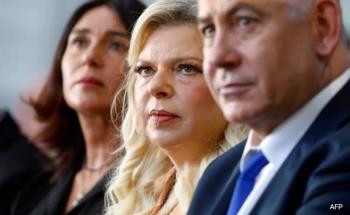
As the election approaches, controversies surrounding Netanyahu's family, which are long seen as a flashpoint in Israeli politics, are expected to reemerge as a central battleground between the government and its opponents.
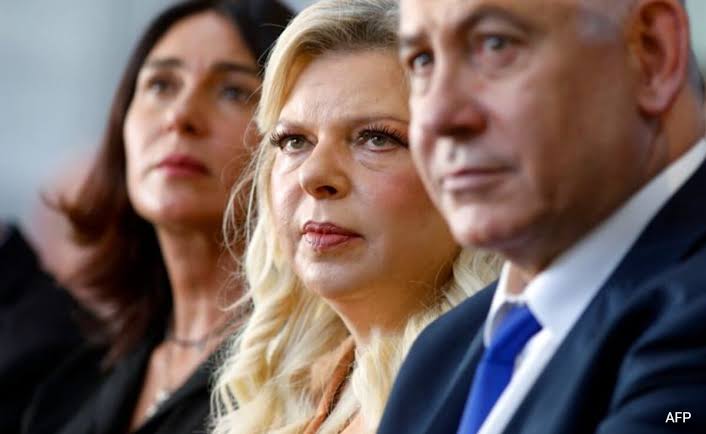
Sara Netanyahu: from lavish lifestyle to being behind decision-making
Reports about Sara Netanyahu's role in the PM's office, her influence over its decisions and appointments, accounts of the use of public resources, Yair Netanyahu's residence outside the occupied territories, and the security costs of the wedding of Avner, another of Netanyahu's sons, have coalesced into a set of cases that government opponents can wield to call his governing style into question. The significance of these issues extends beyond the scandals surrounding the first family's private life; opponents will use them to paint a record of abuse of power by the PM and his family.
It bears noting that Netanyahu has spent years casting himself as a statesman with superior experience and capacity to lead the through security threats and regional crises. Yet, the more a political leader insists on the need for authority and crisis management, the more his government's performance and his inner circle's conduct come under public scrutiny. In a society where citizens face the fallout of war, security anxieties, and economic strain, reports of a ruling family enjoying special privileges can become a catalyst for deepening discontent, especially if the government fails to offer a clear and convincing account of these matters.
One of the main axes of criticism, moreover, is Sara Netanyahu's role in the political and administrative affairs surrounding the PM. Media reports and critics' accounts suggest that she has swayed key appointments and taken part in vetting candidates for sensitive posts. In 2018, for instance, former defense minister Moshe Ya'alon said that Netanyahu's wife had interviewed candidates for the post of military adviser in the prime minister's office.
For the opposition figures, this provides a chance transfer the debate from the personal behavior of the wife of Netanyahu to the quality of management of the government and the independence of the decision-making institutions.
Sara Netanyahu is reportedly detested among parts of the Israeli society for her lavish lifestyle facilitated with the taxpayer money.
For example, one of her scenes in the Israeli media is when before October 7, 2023 people were protesting in the streets of Tel Aviv against the government, tens of police forces and anti-riot police officers escorted her out of crowds by forcing her way out of a luxury beauty saloon.
She has also earned a reputation for extravagance, dipping into taxpayer money for pricey diversions and accepting lavish gifts and jewelry from world leaders. In 2019, for instance, she was forced to apologize for ordering $100,000 worth of gourmet food from high-end restaurants on the public dime. In 2023, a Knesset committee had to set a new budget to rein in Sara's spending, including caps on thousands of dollars for hair coloring and designer clothing.
Reports of her temper and harsh treatment of staff at the prime minister's office and residence have also surfaced, drawing public outrage. Over the years, workers at Netanyahu's home have repeatedly complained of his wife's abrasive behavior and aggressive remarks. In one instance, a leaked recording of a phone call captured Sara Netanyahu screaming at her public relations chief, demanding to know why a gossip column had made no mention of her academic credentials. In another, the family's nanny claimed Sara Netanyahu fired her for burning a pot of soup.
Two former staffers at the Netanyahus' home have also received compensation after filing legal complaints over her abusive conduct. One of them, testifying in court, lifted the veil on Sara Netanyahu's fondness for alcohol and luxury goods. Friends and staff alike have, over the years, recounted her violent outbursts and extreme fixation on cleanliness.
Add to this the account of the Netanyahus' laundry being sent out for washing during overseas trips, a staple of tabloid fodder that resurfaces endlessly in the media and on social networks. It matters politically because it can become a symbol of the perks that come with power. For citizens grappling with a rising cost of living and the economic fallout of war, such images may prompt a pointed question: do officials and those closest to them abide by the same standards expected of society at large?
The spotlight has also fallen on Yair Netanyahu, the prime minister's eldest son, through the lens of security and special privileges. His long stay in Miami and reports of protective measures surrounding him have raised questions in the political arena of Israeli regime about how the cost and necessity of protecting the prime minister's family members are determined.
When Israeli families are contending with anxiety over their children's safety, military service, missile attacks, and the cost of living, news of a stay abroad or special protection for the prime minister's inner circle can breed questions about how responsibilities and resources are distributed.
The controversies surrounding the wedding of Avner Netanyahu, another of the prime minister's sons, belong in the same frame. Reports have emerged of extensive security arrangements, flight restrictions, and the protective costs of the event.
Netanyahu's ruling style sets models for corruption and discrimination
The release of such reports, at a moment when Israeli society is confronting security threats and the fallout of war, can heighten public sensitivity, especially as recent weeks, ahead of the third anniversary of the October 7, have brought accounts suggesting Netanyahu was aware of reports about the possibility of an operation by Hamas and failed to take that security threat seriously.
What these cases share is their capacity to shape a political narrative about the gulf between those in power and the public. Netanyahu's opponents can package these issues into a single message: that the government expects citizens to bear the security and economic costs while the ruling family lives by different rules.
All this comes as the PM's office, rather than offering concrete answers, attributes every criticism to the political motives of the media and the opposition.
Undecided voters and part of the right-wing critical of Netanyahu may assess these controversies beside their discontent. If the criticism about management of war, economic circumstances, and the performance of the government institutions continues, family cases can project a more negative image of way of Netanyahu's ruling. In this case, the electoral impact is not necessarily driven by a specific scandal, but accumulation of questions, and uncertainties can erode support of part of voters.