





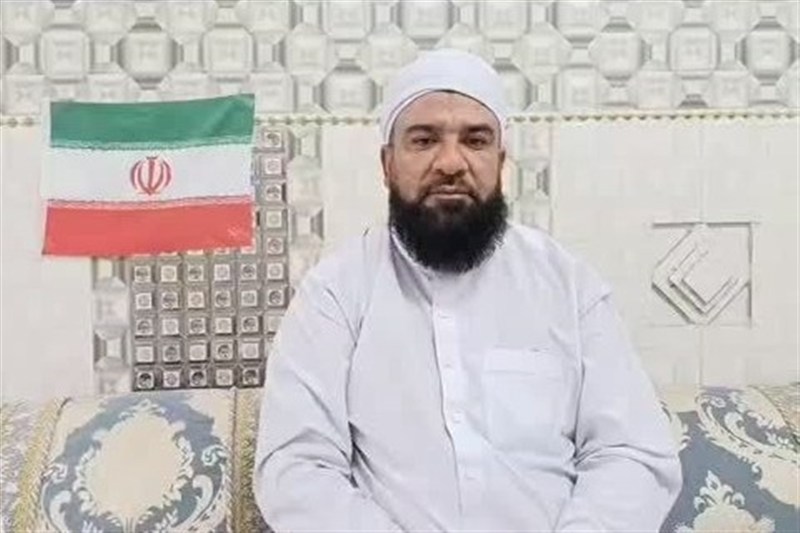


Alwaght- On Monday morning, Molawi Yousef Gargij, the imam of a Sunni mosque in the Iranian city of Zahdan was assassinated by unknown gunmen in front of his house.
This assassination is the latest in a chain of attacks targeting religious and security figures of Sistan and Baluchestan province in southeastern Iran. A few days before this, a Kurdish Sunni cleric was gunned down in Western Azerbaijan.
A look back at the developments in Sistan and Baluchestan province over the past year reveals terrorist groups waging both indiscriminate and at times targeted assassinations in a bid to sow insecurity and open a new security front against the Islamic Republic of Iran. Time and again, these mercenary groups have stormed police outposts, government offices and patrol units, or launched blind attacks on civilians, effectively spreading fear and anxiety among the public. Kidnappings and banditry, too, are carried out in part to paint the province as a hotbed of insecurity.
But the assassination of Molawi Yousef Gargij, a pro-establishment Sunni cleric and Baluch figure from Zahedan, and imam of the Mohammad Rasulollah mosque, lays bare the growing boldness and encroachment of terrorist groups. This is all the more significant given that, as a religious figure and cultural activist, he played a major role in offering an accurate narrative and sound analysis of recent events in this province, and repeatedly warned of the enemy's role in stoking division and animosity between Shiites and Sunnis.
Molawi Gargij was a man of the people. His ties to the public and his positions in support of Islamic unity drew praise from both Shiite and Sunni clerics alike, and he was an active presence in social arenas and on national and religious occasions.
There is no doubt that this terrorist act was carried out by terrorist groups and mercenary Takfiri elements, particularly the Jaish al-Adl group, and mercenaries tied to the intelligence services of hostile countries.
While security and judicial investigations are underway to precisely identify, arrest and punish the terrorist elements involved, fundamental measures must be taken to prevent such incidents from recurring. It bears remembering that behind such assassinations lie three key objectives:
The first objective centers on stoking sectarian and ethnic division. Targeting Sunni clerics who align with the Islamic Republic is a long-standing goal for Iran's Wahhabi and Zionist enemies, and they will keep designing assassinations of other like-minded clerics to drive a wedge between Shiites and Sunnis and fuel ethnic unrest, a playbook already pursued to push societies toward extremism in Afghanistan and Pakistan.
The second objective is to destabilize Sistan and Baluchesta, a border province. By assassinating moderate figures who believe in unity and rapprochement among Islamic schools of thought, Iran's American, Zionist and Wahhabi enemies, and those of the Axis of Resistance, are seeking to sow insecurity and inflame tensions in Iran's eastern regions, particularly Sistan and Baluchestan.
The third objective concerns a proxy war waged by hostile intelligence services. However you look at the assassinations and insecurity in Sistan and Baluchestan, the fingerprints and designs of US and allied intelligence services in the region are unmistakable. This shows that separatist and Takfiri groups in the country's southeast are bankrolled and armed by regional and extra-regional intelligence agencies, the CIA, Mossad and others, to bog down the country's security forces in border areas.
Undoubtedly, every time Iran's American-Zionist enemy has suffered defeat and confusion in a direct confrontation with Iran, we have witnessed blind assassinations and attacks by terrorist groups on border outposts, police patrols and the like.
Finally, it must be said that the US has, in a sense, found itself trapped in the Strait of Hormuz, and its only escape route is backing and arming terrorist groups in Iran's eastern and western border regions. But the vigilance of Iran's security and military forces has denied Jaish al-Adl and other terrorist elements any further room to maneuver. Indeed, those behind the assassination of Molawi Gargij will pay for their crime once arrested, and the intelligence services complicit in plotting such attacks will fail to realize their agenda.