









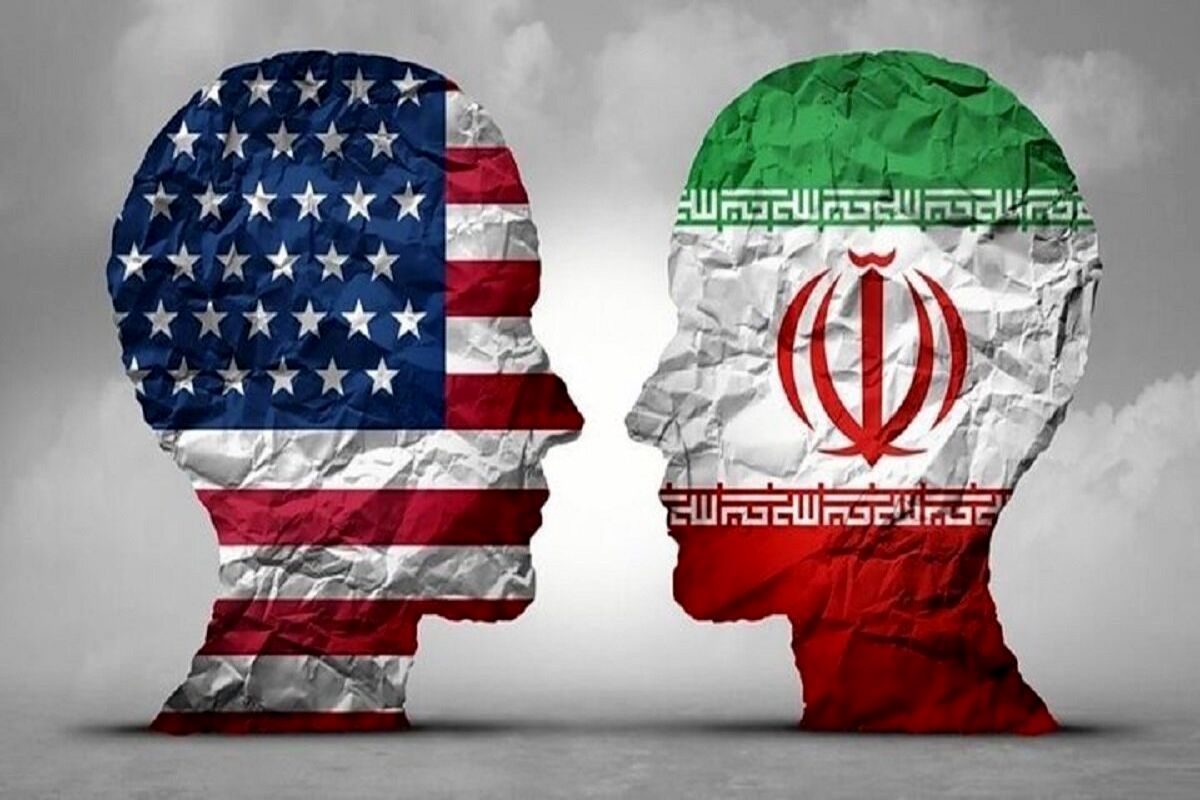


Alwaght- Donald Trump’s declaration of a new “economic war” and fresh sanctions blockade against Iran comes with pledges of the toughest penalties in US history. Yet even inside the US, serious doubts are mounting over whether the strategy will actually work. Trump and Treasury Secretary Scott Bessent contend that the latest financial crackdown on Tehran will force it to back down. But a growing number of American officials and analysts counter that Washington has already deployed nearly every sanctions tool in its arsenal over the past few decades, and that Iran has spent that same period refining its own playbook for evading penalties and preserving trade and financial lifelines. The AP, in its own reporting, underscored that Iran has now weathered nearly five decades of US sanctions, and that the Trump administration is doubling down on a country already counted among the world’s most heavily sanctioned economies.
Senate's Democratic leader: War a total failure for Trump
Senate Democratic leader Chuck Schumer has not outright said that all Iran sanctions are ineffective, but he has branded Trump’s pressure campaign and economic war against Tehran a failure. Reacting to the ongoing offensive, Schumer charged that “the American people are paying the price for Trump’s total failure in Iran,” pointing to rising fuel costs and the toll on US families as direct consequences of the policy. Schumer had previously condemned Trump’s Iran offensive as “reckless and illegal,” insisting that “this war must end.” The takeaway from his remarks is clear. Actually, even among Trump’s Democratic critics, the core argument is that after months of war, sanctions, and maximum pressure, Washington still has not come close to achieving its stated goals.
Former State Department diplomat: Tree of sanctions cut down
Alan Eyre, a former State Department diplomat and a member of the US negotiating team for the 2015 nuclear deal, has been far blunter than most American officials about the limits of new sanctions on Iran.
Eyre dismissed in an interview with Al Jazeera the latest Trump administration sanctions, saying: “The tree of sanctions has already been picked.” He attributed the move to US “frustration” and warned that fresh economic pressure will not necessarily bring Tehran to its knees.
According to Eyre, when Iranian leaders face existential threats, they do not become more inclined to compromise, on the contrary, they view any retreat as a sign of weakness that would only invite even more US pressure down the line. As a result, he assessed that the likelihood of Iran’s leadership “capitulating” is lower than the likelihood of Tehran escalating its response.
International Crisis Group: Pressure without seeking an exit is futile
Ali Vaez, the Iran project director at the International Crisis Group, has offered a stark assessment of Trump's new policy, warning that Washington is effectively rehashing lessons it has already learned, and failed to learn from, over the past several years.
In an interview with the AP, Vaez said the latest economic pressure campaign has only made Iran's position "harder." He flatly stated: "Pressure without an off-ramp is an exercise in futility." In his view, Iranian officials have repeatedly made clear that even if they were to yield to US demands under economic duress, they have no confidence that Trump would not simply move the goalposts and come back with new conditions.
That assessment underscores the core flaw in US's "economic blockade" strategy against Iran: sanctions can only serve as an effective tool for changing behavior if the other side sees a genuine prospect of relief in exchange for concessions. Without that, economic pressure does not produce capitulation; it fuels resistance and sharpens the incentive to find workarounds.
How did Iran learn to circumvent sanctions?
That concern among US experts cuts straight to Iran's long track record of evading American sanctions. Over years of living under restrictions, Tehran has built up sprawling networks to keep oil exports flowing, money moving, and indirect trade humming. A Middle East Institute analysis points out that Iran has grown increasingly sophisticated at deploying shadow banking, trade intermediaries, cargo reflagging, route switching, and regional commerce to sidestep Western strictures.
The AP, in its own examination of Trump's latest economic blockade, noted that the UAE has in recent years functioned as a major re-export hub, absorbing a significant portion of the sanctions shock aimed at Iran. Those very regional trade webs are precisely one reason Washington struggles to enforce secondary sanctions against Tehran effectively.
Iran cannot be brought to knees
Nearly five decades of sanctions against Iran does not mean the measures have had no economic effect. On the contrary, financial pressure and trade restrictions have imposed real costs on Iran's economy. But the core argument among American critics is that economic impact and the ability to force a country into political submission are two very different things.
Eyre contends that most of American sanctions tools against Iran have already been used, and that Washington is now moving toward measures like naval blockades and multilateral embargoes.
Meanwhile, the AP analysis shows that to close Iran's last remaining economic channels, the Trump administration is compelled to extend pressure beyond Iranian firms and entities to third countries, including major oil buyers, a move that could make enforcement even harder and raise the costs for the US and its allies.
Therefore, the reactions emerging from Washington suggest that Trump's declaration of an "economic blockade" on Iran is less a brand-new weapon than an intensification of a tool Washington has been wielding against Tehran for decades. What' is different today is that Iran, over that same period, has built up the experience, trade networks, and financial mechanisms to cushion the effects of sanctions. That is precisely why critics like Eyre warn that more pressure would not necessarily produce the political outcome Trump wants, and may, instead of forcing capitulation, push Tehran toward economic resilience and even more expansive sanctions-evasion efforts.