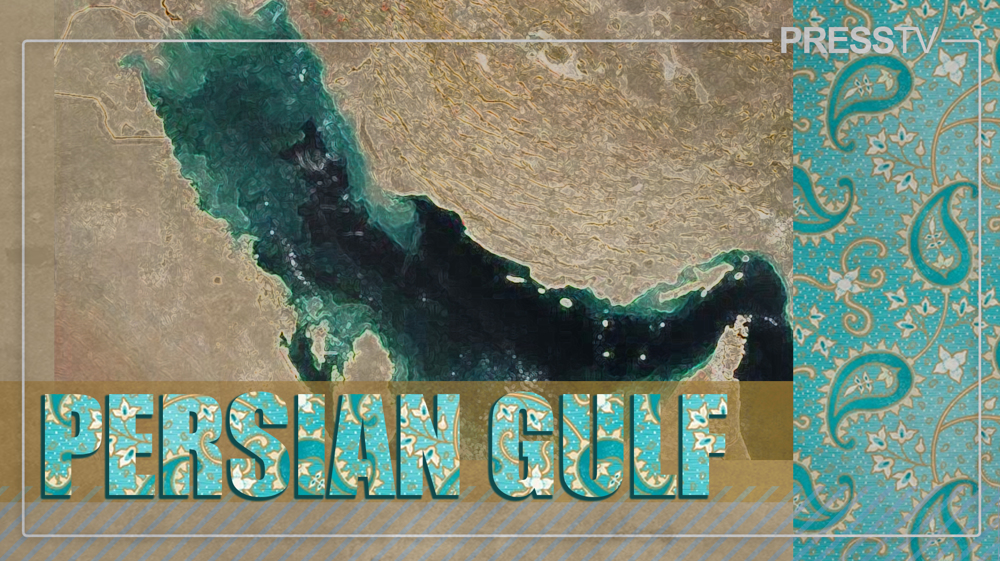









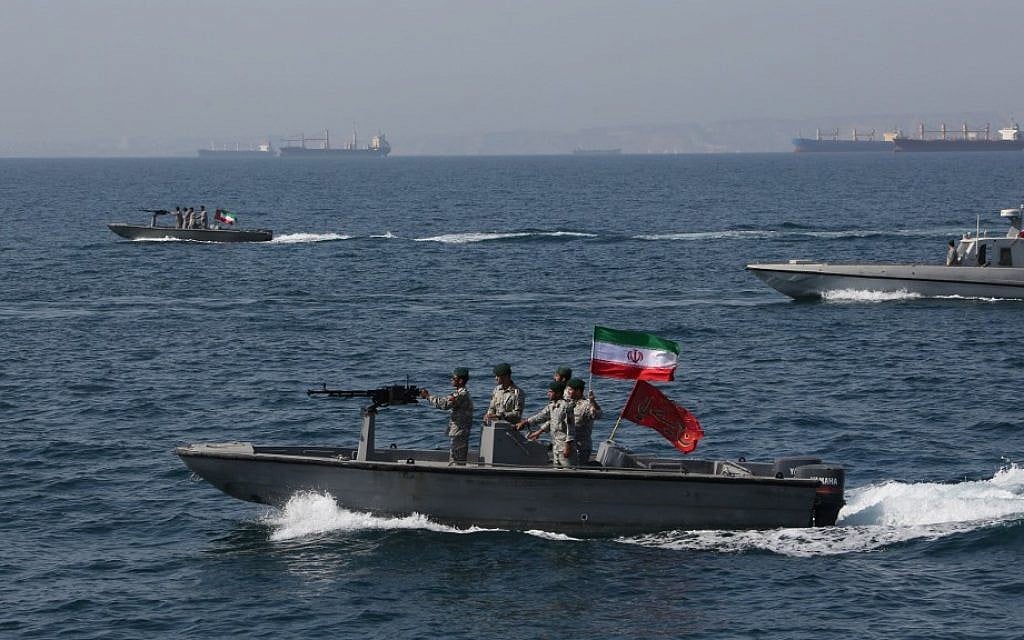


Alwaght- The trade of fire in the Persian Gulf and Strait of Hormuz on Saturday and Sunday should not be regarded as transient developments caused by violation of the ceasefire deal Between Washington and Tehran. They should be seen as part of a full-scale confrontation to establish an important and decisive equation regarding the legal status of the navigation in the Strait of Hormuz, future of war, and the security order in the region. A look at the sequence of reports on these developments shows that the main argument is caused by the different views of the US and Iran to one of the core terms of the memorandum of understanding (MoU): The mechanism of reopening the Strait in 60 days unill a final deal is reached.
Sequence of developments (according to reports)
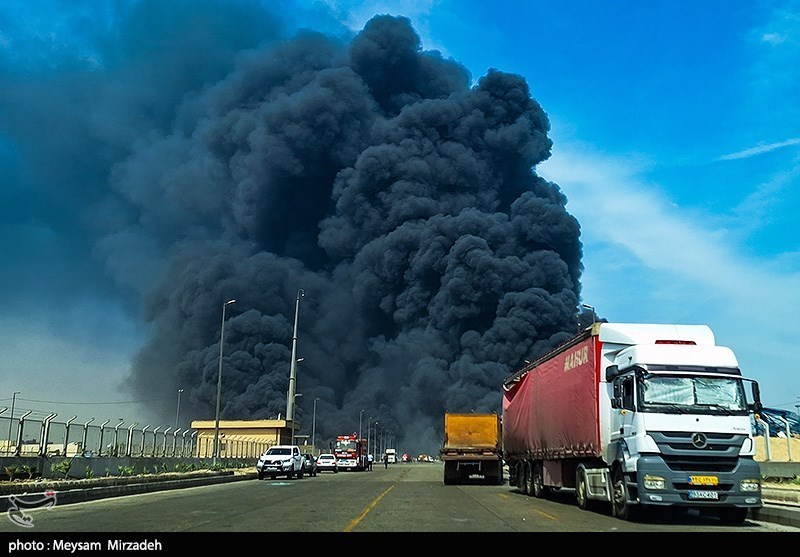
1. Initial spark and attack on Ever Lovely ship: The initial spark of the incident remains murky. Late last week, media reported that a Singaporean-flagged commercial vessel, the Ever Lovely, came under drone fire while transiting the Strait of Hormuz. The strike damaged the ship's bridge, but there were no casualties. Using that as its pretext, the US Central Command (CENTCOM) promptly struck targets along Iran's coastline.
2. Attack on Keiko oil tanker and Iran's reaction: Then CENTCOM reported an attack on Keiko oil tanker, but the IRGC reported retaliatory attacks on the US base in Bahrain, warning that any new American attack will trigger "a painful response."
3. Expansion of clashes on Sunday: A fresh wave of clashes erupted early Sunday. This time, Iran struck not only the Bahrain-based American naval base but also Kuwait's Ali Al Salem airbase used by the American military. On the opposite side, CENTCOM announced it had hit Iranian military surveillance infrastructure, communications systems, air defense positions, drone depots, and naval mining capabilities.
Strategic significance of clashes
The location of the ships targeted is the key of the story: Oman coasts along the Strait of Hormuz.
This is the path the US military sought to establish during the 40-day war using military force. During the war, the US President Donald Trump presented "golden route" plan to reopen the Strait of Hormuz through escort of the tankers in the Strait, while Iran's IRGC declared the waterway closed to navigation. The plan was meant to remove the pressure from the energy markets and stop the surging oil prices that had caused damage to the US economy. However, his plan failed and he had to make concessions to Tehran for reopening the Strait and settling the energy challenges, embarking on Pakistan-mediated peace process.
These encounters during the 60-day ceasefire have continued under a new form of confrontation about the mechanism of navigation in the key waterway.
Iran's version: Tehran argues that while the truce has reopened the Strait of Hormuz for free passage, management of the waterway remains entirely in its hands. Every vessel, Iran insists, must follow the designated routes and abide by its protocols for safe, non-threatening transit.
US's version: Washington, meanwhile, is seizing on the ceasefire window to cement an alternative corridor, a parallel shipping lane under its own control, effectively bypassing Iranian oversight.
The stakes in this equation could not be higher; it will ultimately determine the Hormuz transit conditions once the two-month truce expires.
Iran insists on its mechanism of approving a new legal regime in the Persian Gulf and tolling its insurance, security, and environmental services, while the US strongly opposes this idea and wants Hormuz transit to return to the pre-war conditions. The endgame can decide which side will impose its words on the opposite side, something that can even determine the final winner of war.
There is an even more unsettling scenario: The US may, sticking to its old playbook, use the coming weeks to calm oil markets, ride out the World Cup period, and restock Israel's air defense and betray the negotiations and start a fresh war on Iran. If during this period it finds a way to establish its parallel route in the Strait, iran can practically lose part of its deterrence.
So, any clash, limited attacks on ships, or limited operations in the Strait of Hormuz should be interpreted within the framework of this strategic competition, one whose outcome will directly influence not only the current negotiations, but also the balance of power in the Persian Gulf, world energy security, and even the possibility of new war or no war in the region.