



Alwaght- Over a year has gone since fragile Gaza ceasefire was signed, but just against the expectations, not only it has not helped improve conditions in the war-ravaged Palestinian region, but also the humanitarian crisis has elevated to new heights. Now nearly two million Palestinians are grappling with dire straits marked by shortage of food, medicine, fresh water, and housing.
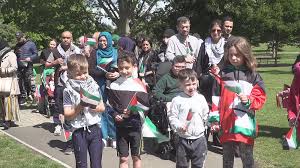
With this picture, the necessity of return of focus of the world community to Gaza and continuation of public protests against the Israeli policies is felt more than any other time. The experience of the first year of war showed that massive demonstrations in various countries and mounted public opinion pressures can raise the cost of Israeli actions against the Palestinians.
Yet, waning international media attention and the ebbing of protest rallies in some countries have gradually pushed Gaza from the top of the global news headlines. That silence and indifference have in effect handed Tel Aviv more room to press on with its policies without facing commensurate international pressure.
One of the strongest reasons the global protests must continue is to prevent the catastrophic situation in Gaza from becoming normalized. Once the suffering of millions drops off the media and public radar, the risk grows that a humanitarian crisis will calcify into a forgotten, ordinary fact of life.
Popular protests, the work of human rights organizations and public pressure on governments must therefore continue, so that the Palestinian question once again rises to the top of the international agenda.
Meanwhile, reconstruction in Gaza, which was supposed to begin under a ceasefire agreement with the participation of international mechanisms, including Donald Trump's so-called Board of Peace, has yet to see any concrete action. The war destroyed the bulk of critical infrastructure, hospitals, schools, homes and water and electricity networks, but Israeli restrictions on the entry of machinery, building materials and essential equipment have thrown up serious obstacles to rebuilding. As long as the siege and occupation persist, normal life cannot return to this coastal enclave.
At the same time, the Israeli army, in breach of its ceasefire commitments, continues to impose sweeping restrictions on the entry of humanitarian aid. The limited goods and supplies reaching Gaza fall far short of the needs of a population that has lost much of its means of survival. Food and medicine shortages, hospitals shuttered or running at limited capacity and scarce access to clean water have turned even the most basic necessities of life into a fundamental challenge.
Humanitarian crisis hardens as winter arrives
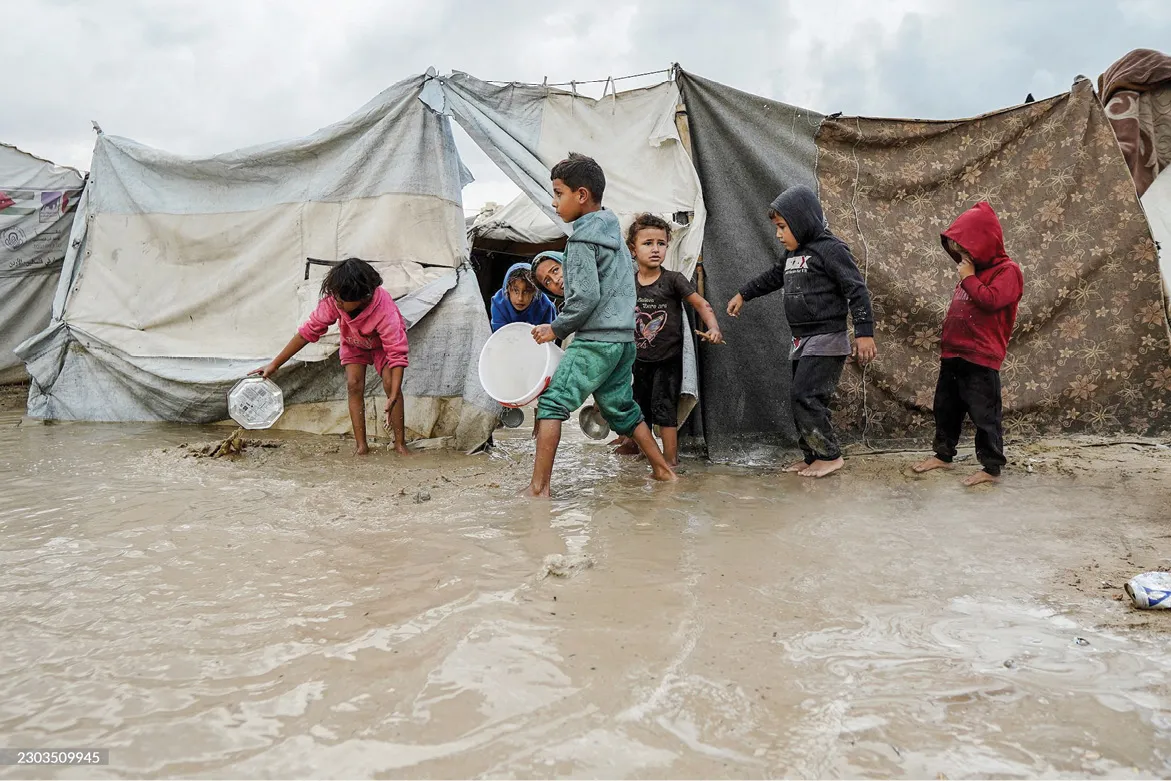
These crises have taken on even more alarming dimensions with the onset of winter and torrential rains. Hundreds of thousands of Palestinian families who fled to tents and makeshift shelters after their homes were destroyed now face severe cold and flooding.
UN reports point to widespread rain damage at displacement sites. Many tents have been submerged or torn apart by wind and rain, leaving families living in the open without basic necessities. In a territory where nearly two million people remain displaced and 68 million tons of war debris still lie scattered, the lack of adequate shelter has become one of the gravest humanitarian threats.
A recent World Food Programme report finds that with the cold setting in, more than 1.7 million people remain displaced, 1.4 million face acute hunger and 1.98 million need shelter. At least 40,000 shelters have been damaged or destroyed since early November, according to the report.
Beyond hunger, a health crisis is also staking a claim on Palestinian lives. The destruction of water and sewage networks, shortages of hygiene supplies, overcrowding in camps and limited medical services have set the stage for outbreaks of infectious disease.
UN reports cite rising cases of respiratory infections, skin diseases and suspected meningitis in Gaza. The conditions are especially dangerous for children, the elderly and the chronically ill, as shortages of medicine and medical equipment have deprived many families of timely treatment. The status quo is thus not merely a livelihood crisis but a direct threat to the health and lives of millions of Palestinians.
These developments show that ceasefire alone does not end the Gaza people's suffering. The halt of clashes makes sense only when it leads to lift of blockade, reconstruction of Infrastructures, and endurance of rights of Palestinian prisoners. Otherwise, it only produces a period of continued crisis in the shadow of media attention shrinkage.
Serious responsibility of Islamic media and countries
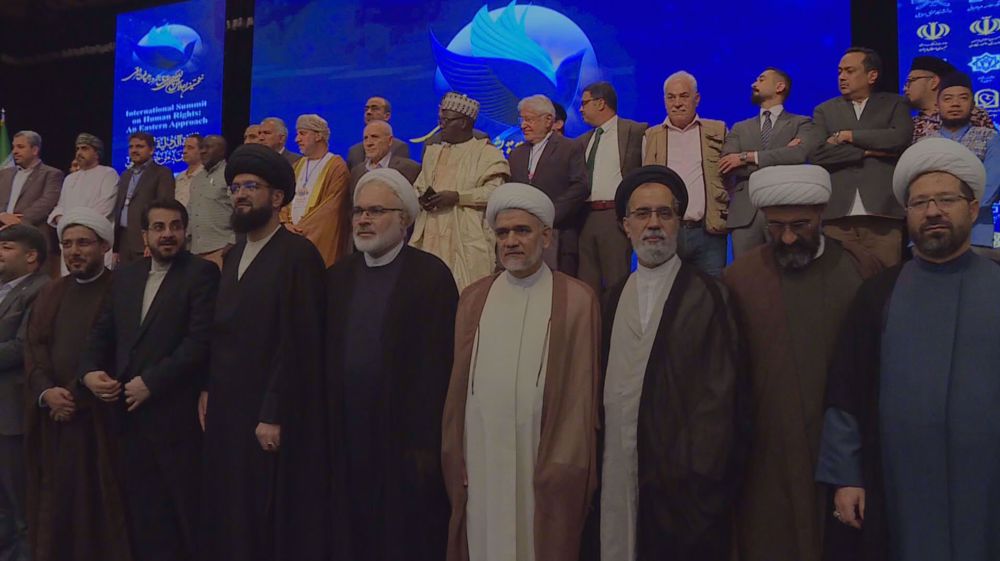
Despite the vast humanitarian crisis in Gaza, a heavy responsibility rests on the media, human rights organizations and the political leaders of Islamic countries. With greater coordination and by leveraging their political and media clout, Islamic nations can help push Gaza back to the top of the global agenda, by keeping the full scale of the humanitarian catastrophe in the public eye, documenting Israeli regime's actions and demanding compliance with international obligations. Sustained popular protests across the Muslim world can likewise raise the political cost of continued occupation and siege.
There is little doubt that the wave of protests and public revulsion at Israeli policies can shape the political calculations of Tel Aviv's next government and send the message that continued repression and disregard for Palestinian rights will not come free. Israeli opposition leaders have repeatedly voiced alarm in recent months over the widening global backlash against Zionism in the wake of Netanyahu's cabinet's policies. A renewed global protest movement can thus, by ratcheting up public pressure and the political costs of occupation, push Tel Aviv's next government to reconsider its expansionist policies.
In general, Gaza today needs the solidarity and support of the international community more than ever, support that must not stop at expressions of sympathy and verbal condemnations but must translate into concrete action to lift the siege, ease the delivery of humanitarian aid and launch reconstruction. Otherwise, the status quo and the world's indifference could gradually claim yet more Palestinian lives.