















ALWAGHT- Though the world's eyes are fixed on the Middle East and the ongoing war against Iran, clear signs of a growing US-China confrontation are emerging—one that now extends beyond economics and directly into the geopolitical dynamics of West Asia.
In its latest move, the US imposed sanctions on several major Chinese oil refining and trading companies, officially justified as an effort to limit Iran's financial resources but effectively targeting a critical segment of China's energy supply chain. In an unprecedented response, Beijing issued a formal legal directive ordering five blacklisted refineries—including Hengli Petrochemical and several Shandong-based "Teapot" refineries—to disregard US sanctions on Iran. Analysts view this as a clear shift from "caution" to "active resistance" against Washington's pressure, signaling Beijing's unwillingness to sacrifice strategic energy interests for US political demands.
The targeted companies form hidden pillars of China's energy security. Hengli Petrochemical is one of China's largest independent refineries, while the Shandong-based "Teapot" refineries—Shouguang Luqing, Jincheng, and Shengxing—provide crucial flexibility in crude imports and energy markets. This friction arises as Middle Eastern developments, including disruptions in the Strait of Hormuz, directly impact China's oil imports. According to "offensive realism" theorist John Mearsheimer, the more the US becomes bogged down in regional crises, the greater the opportunity for China to expand its influence and indirectly support actors like Iran.
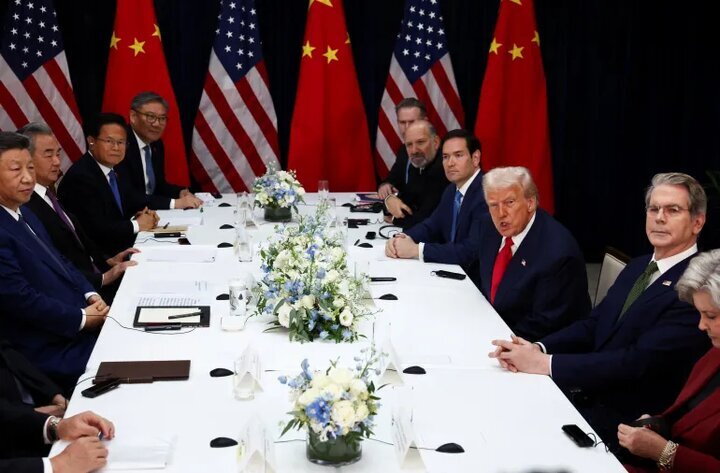
These developments unfold amid speculation of a May 14–15 meeting between President Trump and President Xi, originally slated for May 2. China's defiance serves as a clear pre-negotiation signal, drawing "red lines" in practice before any talks begin. The confrontation shows that West Asia and the war against Iran have become primary arenas for Sino-American rivalry, occurring alongside other flashpoints like Taiwan. Ultimately, the sanctioning of Chinese refineries and Beijing's sharp response represent a broader trend where an intensifying economic war is merging with global geopolitical and security equations.