
















ALWAGHT- Amid widespread fraud allegations, Donald Trump's direct intervention in Honduras' election—by threatening aid cuts and pardoning a drug trafficker—is seen as potentially swinging the result toward his preferred candidate.
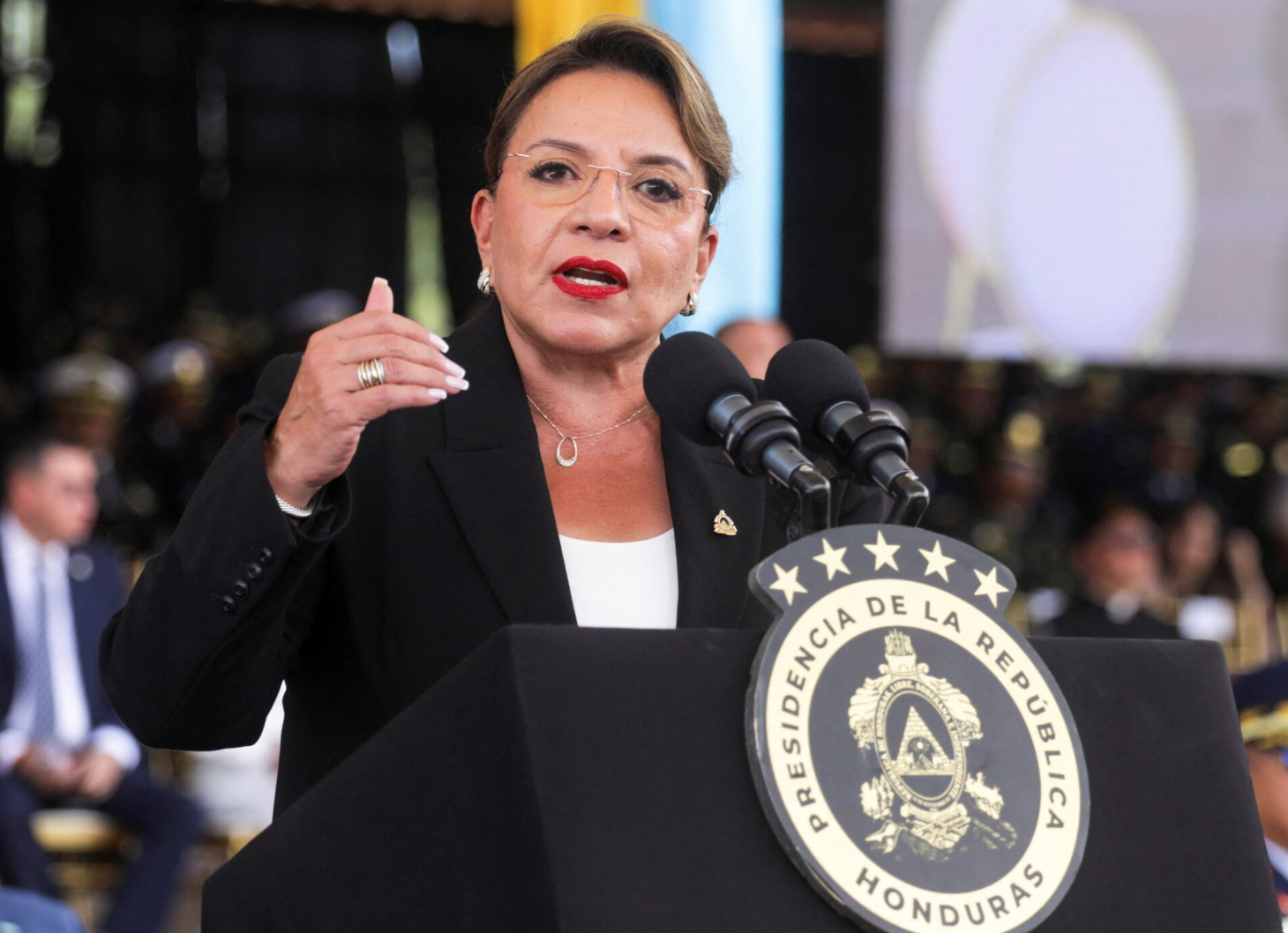
Honduran President Xiomara Castro has publicly accused US President Donald Trump of direct interference in Honduras’s recent presidential election, denouncing what she termed “election manipulation.” The disputed November 30 election saw vote-counting delays due to computer failures and remains contested. While Trump‑backed candidate Nasry Asfura holds a narrow lead over right‑wing opponent Salvador Nasralla, both far outpace the left‑wing candidate from Castro’s own party. Nasralla has alleged fraud and demanded a recount, while Castro has condemned threats, coercion, and manipulation of the preliminary results.
Trump’s intervention involved explicit pre‑election threats to cut US aid and block remittances—which make up roughly a quarter of Honduras’s GDP—should a candidate he labeled “communist” win. He publicly endorsed Asfura and controversially pardoned former Honduran President Juan Orlando Hernández, who is serving a US prison sentence for drug trafficking. Polling indicated that Nasralla held a significant lead before Trump’s statements, after which the race tightened dramatically, with many voters citing fear of US retaliation as a reason for switching support.
Analysts frame Trump’s actions as part of a broader “Trump Corollary” to the Monroe Doctrine, asserting a right to intervene in Latin American politics to counter Chinese influence or ideologies deemed hostile to US interests. Honduras’s 2023 shift to recognize China made it a focal point in this strategy. The episode continues a long history of US involvement in Honduran politics, from Cold‑War proxy conflicts to tacit support for the 2009 coup, underscoring the ongoing impact of external pressure on the country’s democratic processes.










