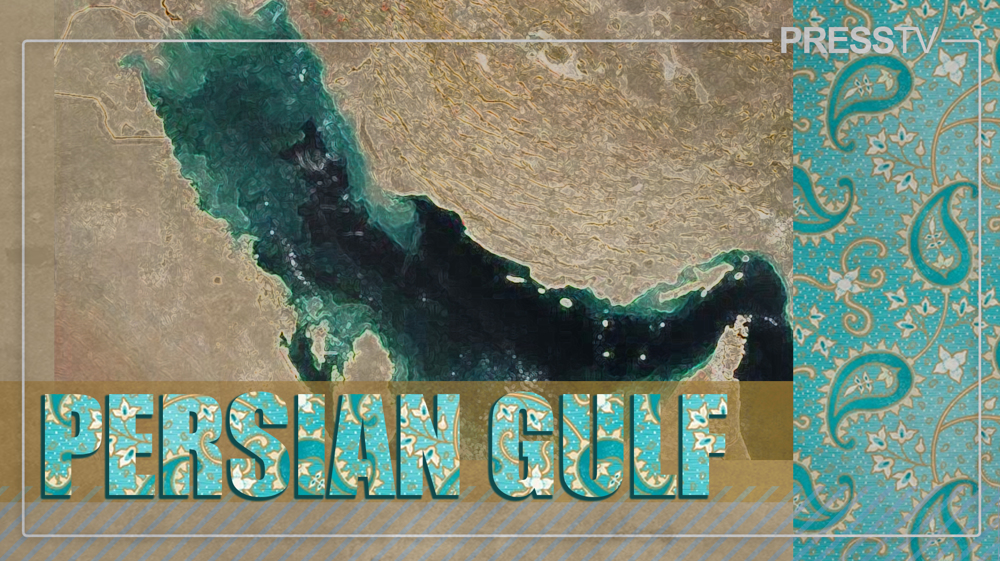













Alwaght- As tensions between Tehran and Washington escalate, Strait of Hormuz once again rises to become the center of gravity of the confrontation of the two actors. The strait is not limited to the geography of the Persian Gulf and directly influences the security of the world energy, oil prices, and the international economic stability.
Iran’s tightening grip on this key waterway is part of a broader calculation in which Tehran wants Washington to know that any military escalation would not stay confined to the battlefield and could impose real economic and political costs on the US and its allies.
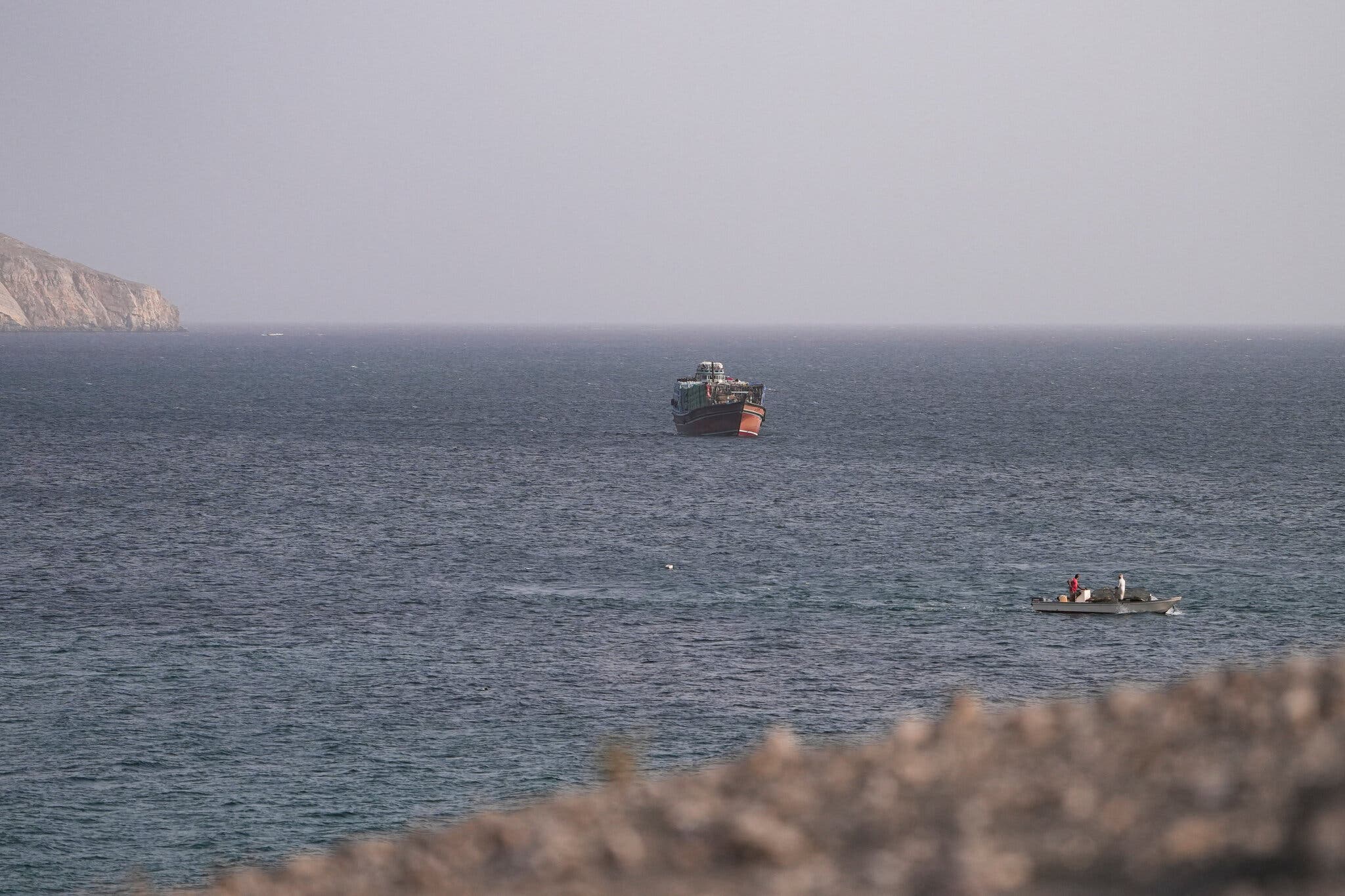
Recent developments show the Strait of Hormuz has morphed from a vital energy transit route into one of the most potent instruments of mutual leverage in the Iran-US confrontation. Reuters reported on October 14 that Iran has shifted its strategy for ratcheting up pressure on passing ships, stepping up attacks on vessels that defy Tehran’s declared restrictions.
Why is Tehran emphasizing it controls the strait?
To get a clear picture of Iran's heightened measures in the Strait of Hormuz, we need to consider the logic of deterrence during wartime. When one side enjoys weaponry superiority and the capability for long-range strikes, the opposite side can raise the cost of war by underscoring the economic and strategic vulnerabilities of the other side. In this case, the significance of Hormuz is not limited to enabling Tehran to squeeze the navigation, but the power to impact the economic and political calculations of the Americans.
The Strait of Hormuz is one of the world's most critical energy chokepoints, and any sustained disruption there can ripple through oil prices, maritime shipping costs, ship insurance premiums and fuel prices. That is why even a heightened probability of attacks on vessels, or the mere perception that the transit route has become unsafe, can inflict significant economic costs without the strait ever being fully closed.
Andrew Leber, a nonresident fellow in the Middle East Program at the Carnegie Endowment for International Peace, told The Washington Post that Iran retains the ability to influence how much oil exits through the passage. The assessment underscores that Tehran can still wield its geographic position as leverage in the pressure equation.
How is Hormuz changing White House's calculations?
One of the most consequential fallout of rising tensions in the Strait of Hormuz is that the cost-benefit calculus of war has become far harder for Washington to compute. Trump is counting on military pressure and a naval blockade to force Iran to back down, but if those measures trigger broader disruption to tanker traffic, the White House will confront a thornier problem: energy costs for American consumers and the global economy will climb as well.
A Washington Post report on October 8 showed that attacks on at least nine ships in the Strait of Hormuz had sharply curtailed oil flows. The strikes came even after the Trump administration had earlier voiced satisfaction with increased oil traffic through the strait. According to the newspaper, US forces have expanded operations to protect ships and boost tanker transits, but military escorts have failed to fully eliminate the risk of attacks.
The condition creates a strategic paradox for Washington. On one hand, the US has turned to a naval blockade to squeeze Iran economically; on the other, it must guarantee the safety of ship transits to prevent turmoil in global energy markets. The more Iran can drive up the cost of maritime security, the more military and political resources the US will burn protecting shipping lanes, resources that could factor into Washington's calculations about whether to prolong or escalate the war.
Daniel Byman, a researcher at the Center for Strategic and International Studies, wrote in an analysis of the Hormuz crisis that the Washington-Tehran standoff has become a contest over who can absorb costs and who holds the stronger bargaining position. In such a situation, the outcome of the war would not be measured solely by the number of attacks or the scale of military damage, but also by which side can endure the economic and political costs of the confrontation longer.
Are conditions moving to a broader military confrontation?
Heightened Iranian control measures in the strait and the US sea pressure has raised the possibility of a direct clash, especially if each side tries to neutralize restrictions of the opposite side wit military action. Ship transits through disputed corridors, attempts to seize vessels, military escort operations and strikes on commercial ships can set off a chain of tit-for-tat responses that will prove increasingly difficult for the Americans to control.
An Al Jazeera report on October 14 also documented Iran's expanding maritime surveillance and a surge in attacks on ships during one of the war's most volatile periods. Christopher Stone, a professor of political science at the University of York in Britain, told the network that the uptick in attacks and its impact on energy flows has laid bare the fragility of the Strait of Hormuz as one of the world's main oil export routes.
Iran's deterrence: raising war costs for the US
Finally, importance of the Strait of Hormuz developments should be looked at within the framework of Iran's deterrence equation. Relying on its vantage point in north of Strait of Hormuz and its power to impact maritime security, Iran can send the message that war eruption can broaden the crisis currently hitting the energy markets and world economy.
Poland's Centre for Eastern and Middle Eastern Studies, in its October 1 assessment of the multi-front war against Iran, wrote that disruption to energy routes and regional infrastructure has driven up the economic costs of the war, and that the pressure from those costs can shape American public opinion and the US government's political calculations. The analysis also stresses that the capacity to absorb economic and political costs, alongside military power, is one of the decisive factors in a war of attrition.
On that basis, Iran's escalating control measures in the Strait of Hormuz can be seen as an effort to tether the military costs of war to its economic consequences, a move aimed at raising the price of any decision to attack and shaping the White House's calculus.
What is clear is that the Strait of Hormuz is no longer merely a maritime passage, but it has become one of the most important arenas for testing the will of both sides. The more the cost of guaranteeing safe ship transits rises for the US, the more complicated the White House's calculation becomes about sustaining its threats and military operations.