














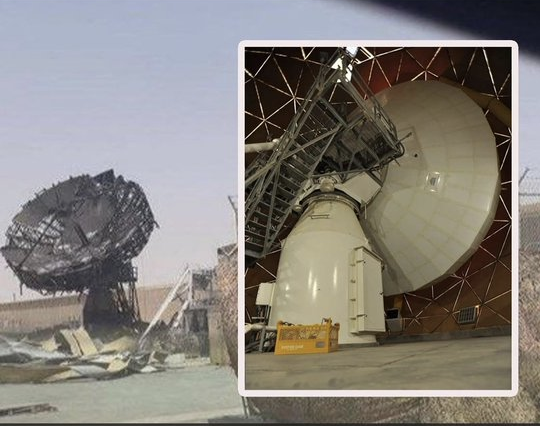


Alwaght- In today's wars, victory is not merely gained by destroying tanks, fighter jets, or naval vessels. Rather, one side has the upper hand when it can disrupt the enemy's combat power production cycle. This cycle starts from the command posts, crosses the intelligence and radar networks, reaches the fuel and ammunition stockpiles of the air transportation bases and the repair and maintenance centers, and finally ends in the operational units. If this chain is paralyzed, even the world's most advanced army will become devoid of capacity to launch large-scale operations.
This considered, the official statements by Iran's armed forces suggest that in the rejuvenated clashes between Iran and the US in recent days, the selection of targets has done based on their operational functions, not merely their political or propagandistic value.
In other words, instead of attacking any military base, Iran has chosen ones that each constitute a ring of the US military's chain of command, intelligence, and logistics.
For instance, Prince Hussein Airbase in Jordan is not just a military base, but it is one of the main concentration centers for intelligence, reconnaissance, and operation guidance drones over Syria, Iraq, and Western Iranian borders. Attacking this base is, in fact, blinding the US's intelligence eye.
Additionally, in Kuwait, the strike location selection has been completely targeted. Ali Salem Airbase is the center for supply of fuel, forces, ammunitions, and equipment to Iraq and other American bases in the region and works like a logistics hub for the US military.
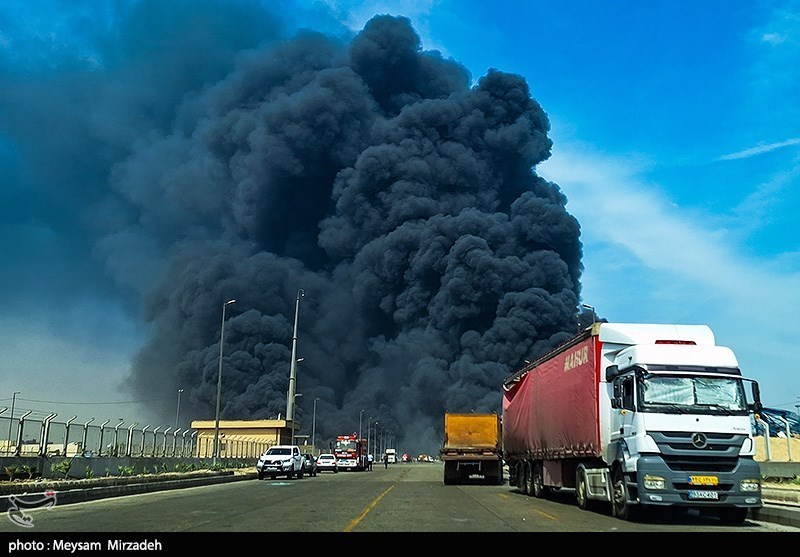
Also, Ahmed al-Jaber Airbase in Kuwait hosts fighter jets, refueling tankers, and air support aircraft, making the base critical to sustaining US air operations. According to IRGC statements, Iranian missiles struck these facilities, damaging portions of their defense systems, fuel depots, and radar equipment.
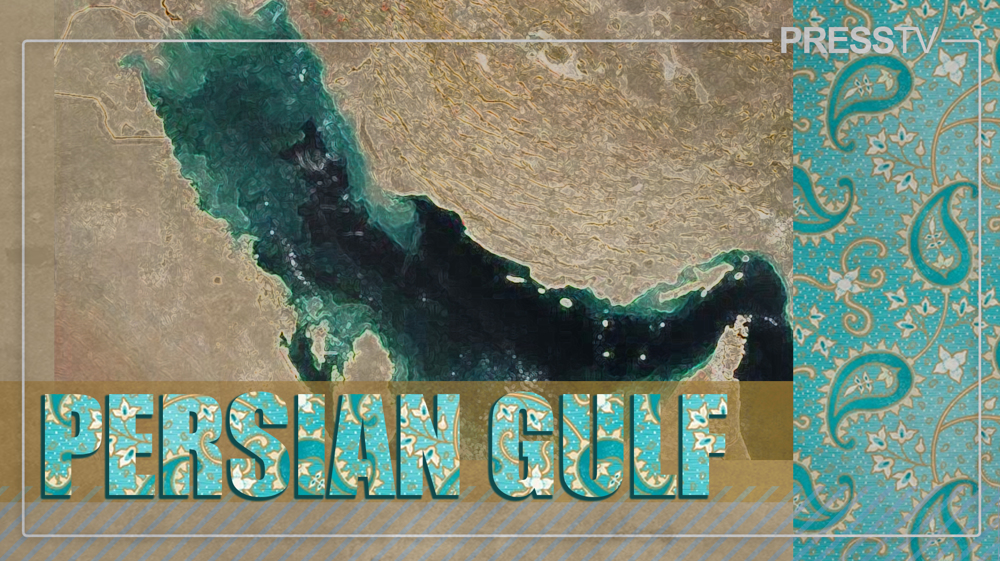
In Bahrain, the targeting of sites linked to the US Fifth Fleet and its naval command network signals an effort to pressure the hub directing American maritime operations in the Persian Gulf. It is the very center responsible for coordinating warships, combat vessels, surveillance systems, and protection of shipping lanes.
Simultaneously, strikes on radar and early-warning systems in Oman suggest Iran is not simply out to destroy hardware; it aims to degrade the enemy's intelligence awareness and reaction time.
But what sets this operation apart strategically is its focus on targeting the network, not individual pieces of equipment. In US military doctrine, combat power does not hinge solely on fighters, warships, or missiles, but on an interconnected web of command, control, communications, computers, intelligence, surveillance, reconnaissance, early-warning systems, ammunition depots, fuel logistics, and technical support. Disrupt that network, and even the bulk of intact hardware would not guarantee sustained operations.
So, the pattern of ongoing Iranian attacks tells us that Tehran is striking the US operational network, not just several military bases. Simultaneously picking the intelligence hubs in Jordan, the logistics center in Kuwait, and the Navy command in Bahrain, and the early-warning systems in Oman shows that the core aim is to disrupt the whole of the US operation cycle across the region.
Another important issue is these military infrastructures being extremely hard to replace. Just contrary to general belief, fast replacement of strategic radars, Patriot air defense systems, command centers, fuel depots, or logistics facilities is impossible. Transferring them from Europe or the US requires planning, strategic transportation and security provision of the routes, all at high costs.
Even if Washington has replacement gear at its disposal, bringing a damaged base back to full operational status could take days or even weeks, and in high-intensity warfare, time itself is a decisive factor.
That is why the strategic value of these strikes goes far beyond sheer physical destruction. Even if a base is not completely knocked out, damage to runways, fuel depots, radars, communications links, or command centers slows the US military's combat power generation and drives up the cost of sustaining operations.
Finally, it is good to note that the pattern laid out by the Iranian armed forces' statements demonstrates that Tehran in this stage of conflict has adopted a logic of "network degradation" rather than "forces attrition."