






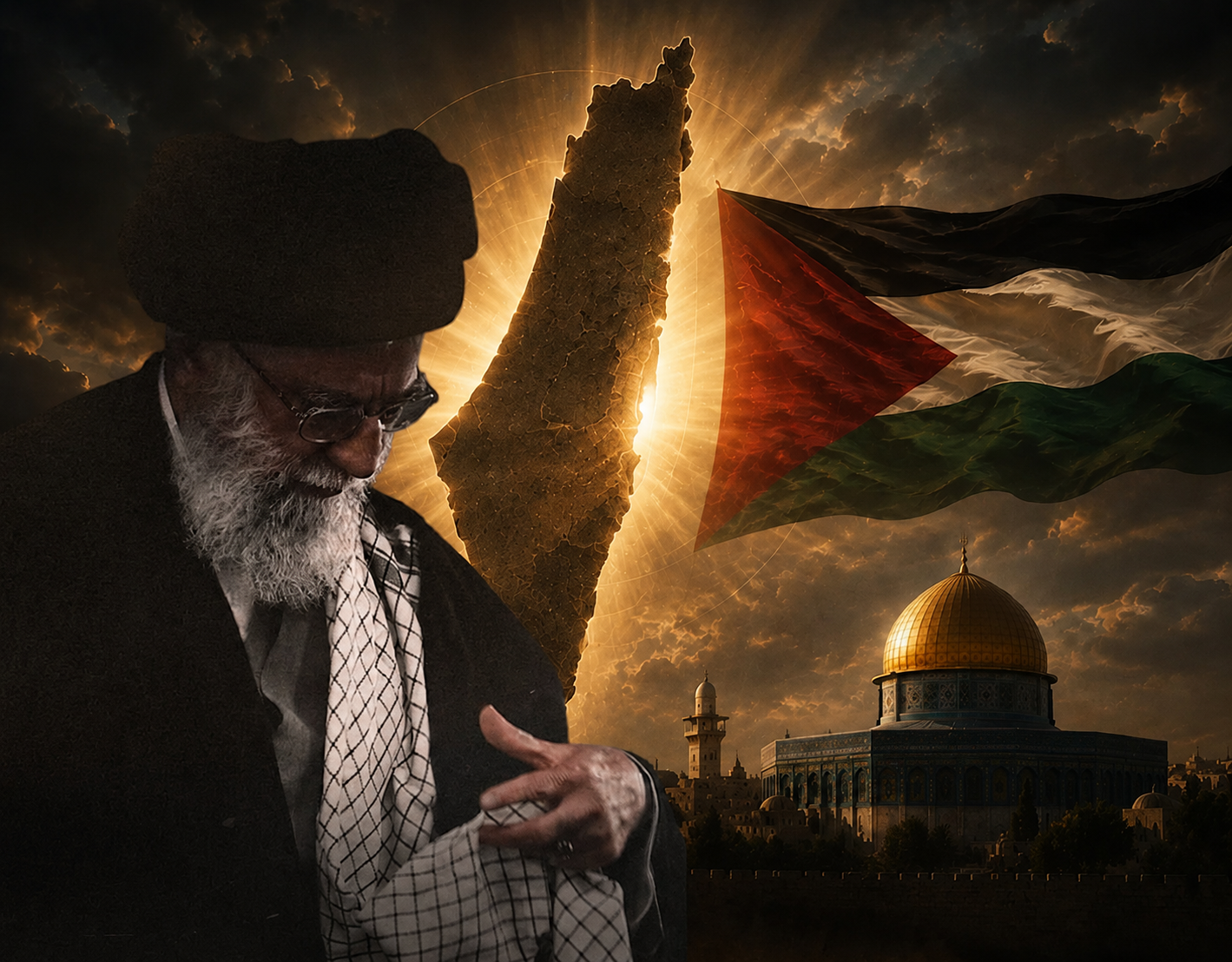


ALWAGHT- In the thought of the martyred Leader Ayatollah Seyyed Ali Khamenei, Palestine was more than a political issue; it represented the guiding cause of the Islamic Ummah and the driving force behind the region’s Resistance against the Zionist entity and its supporters.
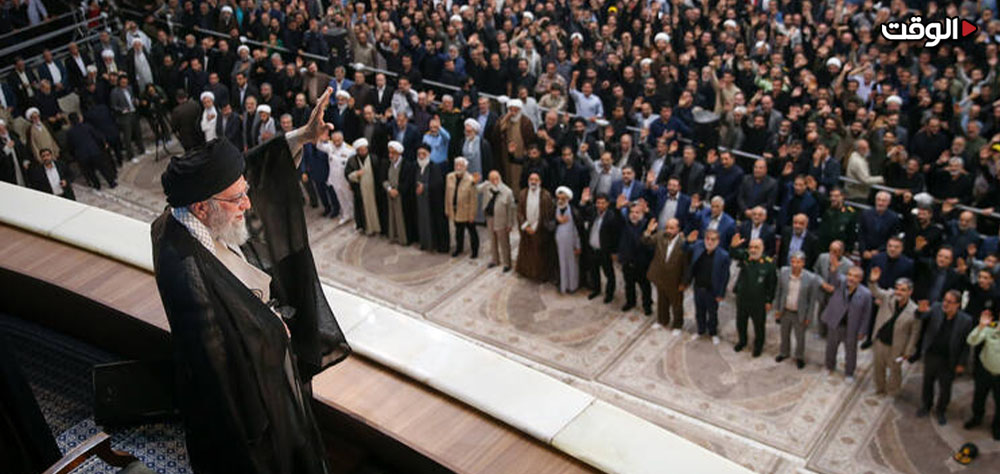
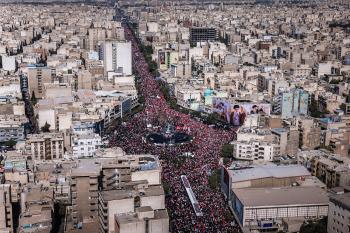
As Iran observes the fourth day of funeral ceremonies for the martyred Leader of the Islamic Revolution, Ayatollah Seyyed Ali Khamenei, Palestine has emerged as a defining element of his political and ideological legacy. Throughout his speeches and writings, he portrayed Palestine not as a localized conflict but as the central cause of the Islamic Ummah, linking its liberation to the dignity, unity, and independence of the Muslim world.
Ayatollah Khamenei consistently argued that Palestine was a religious, humanitarian, and strategic issue. He viewed the Zionist entity as a Western-backed project aimed at dividing the region and maintained that Resistance—not negotiations or compromise—was the only effective path to restoring Palestinian rights. He also rejected efforts to confine the issue to the 1967 borders, insisting that all of historic Palestine belongs to its people.
He further tied Palestine to the broader Axis of Resistance, describing it as the movement's moral and strategic compass. While emphasizing that Palestinian Resistance originated from the Palestinian people themselves, he said Iran's role was to support that struggle and criticized Arab normalization with the Zionist entity as a betrayal that weakened the Palestinian cause.
Ayatollah Khamenei also promoted a political solution based on a referendum involving all original Palestinian inhabitants, including displaced Muslims, Christians, and Jews. He maintained that the Zionist entity was ultimately unsustainable and expressed confidence that Palestine would endure, portraying its liberation as both a historical certainty and the unifying cause of the region's Resistance.