




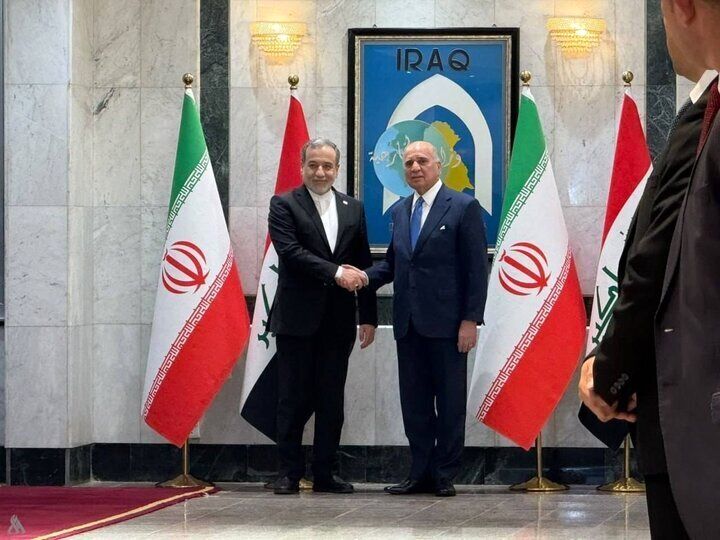


Alwaght- On Sunday, Iran's Foreign Minister Abbas Araghchi arrived in Baghdad heading a diplomatic delegation. This is the first visit to Iraq of the top Iranian diplomat since the US-Israeli 40-day aggression on Iran, coming in critical regional conditions. In fact, the visit is coming as the region after the recent war on Iran and finally accepting Iran's terms by Washington and Tel Aviv for ceasefire has entered a new stage. So, it is not just for a meeting with the Iraqi officials, and it is part of a diplomatic effort to consolidate the political and security gains of Tehran after the war, boost the regional cooperation, and manage the developments after the ceasefire.
Hailing Iraq's support to Iran
Reports suggest that one of the main aims of the Iranian FM's Baghdad visit is appreciating the Iraqi government and people for their condemnation of the US-Israeli attacks on Iran and voicing political support to Tehran. Araghchi hailed positions of Baghdad regarding war and highlighted the need for continuing the coordinations of the two neighbors.
Emphasis on security bonds
Security experts assert that Iraq’s stability is directly tethered to Iran’s own security. Accordingly, full implementation of the bilateral security pact, and preventing terrorist groups or foreign powers from using Iraqi soil against Iran appears to have topped the agenda in recent Iranian-Iraqi talks. Tehran is also pressing Baghdad to sustain cooperation in neutralizing any security threats along their shared borders.
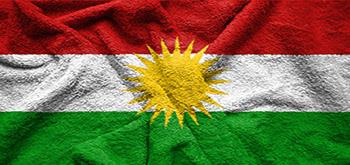
It is noteworthy that the Iran-Iraq security agreement, which was signed March 2023, and its rollout, aimed at dismantling Iranian Kurdish opposition groups based in the Kurdistan Region in northern Iraq, formed a key pillar of the Iranian FM’s latest visit to Baghdad.
Under that deal, Iraq committed to barring armed opposition groups from operating near the joint frontier, disbanding or relocating their camps, and prohibiting any cross-border operations against Iran from its territory.
Developments on the ground indicate that Baghdad, despite US pressure, has proven willing to deepen security coordination with Tehran, a move that underscores the Iraqi government’s trust in Iran and signals that bilateral ties have entered a “strategic” phase in security matters.
On the other side, analysts caution that not all Iraqi obligations under the accord have been met; Baghdad must tighten its grip over the Kurdistan Region. Complete disarmament of anti-Iran groups remains essential, they say, and Tehran continues to stress this point.
Iraqi political analyst Hazem al-Shammari told local media that Iraq is working to preserve its role as a “bridge” between Iran and regional states, a framework that also frames Araghchi’s trip, encompassing security coordination, preventing abuse of Iraqi territory, and safeguarding domestic stability.
Qasim al-Araji, Iraq’s former national security adviser, echoed that commitment, affirming that Baghdad will honor the security deal and never allow Iraqi land to be used against its neighbors, including Iran. That position had already been reiterated at a previous session of the joint Iran-Iraq security committee, well before Araghchi’s arrival.
International coordinations
It should be taken into account that the recent anti-Iranian war and the US-Israeli submitting to the ceasefire have turned the West Asia equations on their head. So, Araghchi talked with Iraqi officials on the future of regional security, de-escalation, Syria, Lebanon, and Palestine conditions, and also the role of regional countries in preventing the expansion of crisis. In the eyes of Tehran, regional nations can develop their security mechanisms without nerd for interference of international powers.
Reports suggest that Araghchi focused on coordinating Tehran-Baghdad positions and discussed regional diplomatic processes. The Islamic Republic is pushing, along with neighboring states, for political solutions for de-escalation of tensions and prevention of anti-Iranian coalitions.
In fact, it seems that picking Iraq as the first destination of diplomatic visits after war bears a clear message: Tehran-Baghdad relations remain strategic and the recent war has failed to undermine Iran's regional position. Active diplomatic presence in Baghdad is also a sign of continuation of the "neighbors first" policy of Iran.