








ALWAGHT- Iranian Foreign Minister Abbas Araghchi stated that persistent misunderstandings between Tehran and Baku must be addressed through sustained dialogue. He stressed that deeper consultations and more frequent meetings are vital for guiding relations toward a stable future.
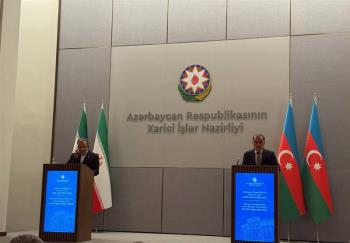
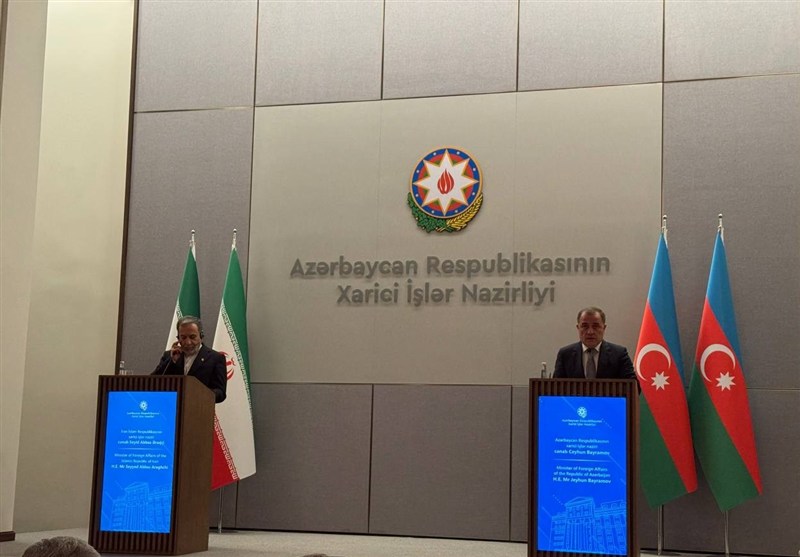
During a joint press conference in Baku, Iranian Foreign Minister Abbas Araghchi characterized his visit as well-timed, allowing for a comprehensive review of bilateral ties through constructive talks with Azerbaijani President Ilham Aliyev and Foreign Minister Jeyhun Bayramov. The ministers agreed that continued high-level dialogue is essential to resolving misunderstandings and steering the relationship toward a stable, "trouble-free" path focused on shared interests. Araghchi emphasized that no external party should be allowed to harm the positive relations between the two neighbors.
The discussions covered a wide range of cooperative areas, with both sides expressing a firm commitment to deepen ties. Key points included advancing major connectivity projects like the North-South Transport Corridor and the Astarachay bridge, increasing trade beyond the current $720 million annual exchange, and expanding cultural and transportation links. Regionally, they affirmed their shared stance against foreign interference, supported the 3+3 Caucasus format, and discussed trilateral meetings to enhance stability. Araghchi also briefed his counterpart on regional tensions, including recent conflicts involving Israel.
Azerbaijani Foreign Minister Jeyhun Bayramov echoed the positive outlook, highlighting the deep historical and cultural bonds between the nations and noting that 2025 has been a significant year for bilateral engagement, including two visits by Iran’s president. He detailed progress on joint infrastructure and energy projects, such as dams on the Aras River and new flight routes, and mentioned ongoing political coordination in international forums. Both ministers framed the relationship as steadily expanding across all sectors—political, economic, and cultural—with a joint focus on fostering regional peace and capitalizing on shared opportunities for growth.