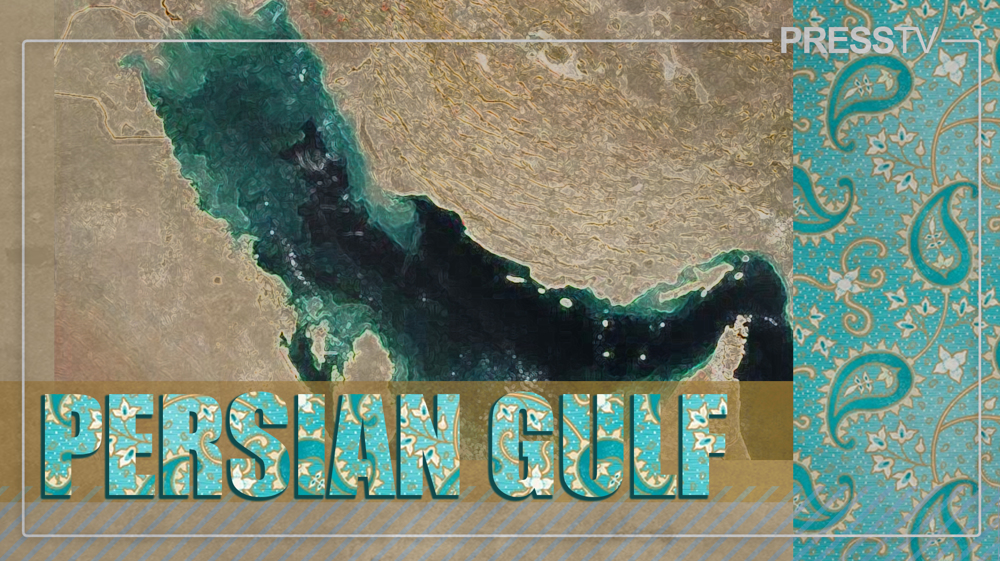












ALWAGHT- On Saturday, Iranian President Masoud Pezeshkian officially launched a significant initiative to convey desalinated water from the Persian Gulf and Sea of Oman to the nation’s central plateau.
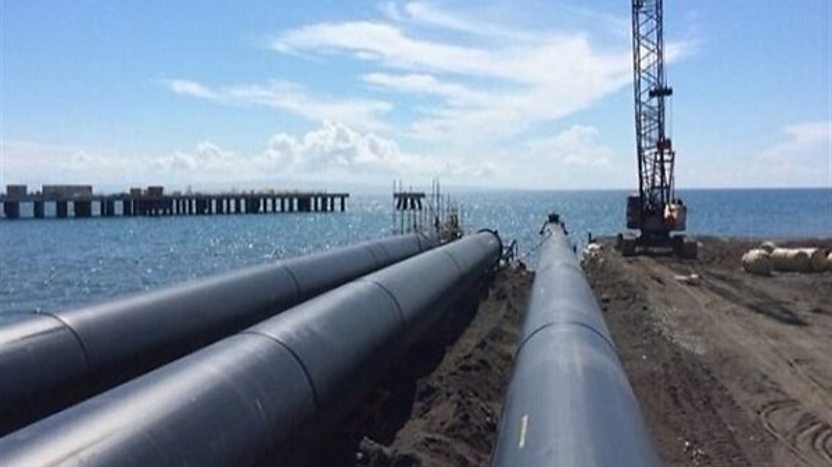
The major seawater transfer project, inaugurated by Iranian President Masoud Pezeshkian, is part of Iran’s broader strategy to address chronic water shortages in its central plateau. Designed to bring desalinated water from the Persian Gulf and the Sea of Oman, the 800-kilometer pipeline directly targets industrial hubs in Isfahan Province, including the Mobarakeh Steel Company, which has been a key supporter of the initiative. The project is expected to reduce pressure on the Zayanderud River basin, historically the main source of water for both industries and local communities in the region.
Constructed over two years at an estimated cost of 350 trillion rials, the pipeline reflects Iran’s commitment to sustainable water management and self-sufficiency. By providing a reliable supply of desalinated water, the project ensures that major industrial operations can continue without overexploiting natural freshwater resources, while also mitigating conflicts over water usage between industries and local populations. Authorities say the project will serve as a model for similar initiatives across other water-scarce regions of the country.
President Pezeshkian emphasized that overcoming Iran’s water challenges requires strategic planning, cooperation, and the mobilization of technical expertise. He highlighted that such projects are critical not only for industrial sustainability but also for supporting population growth and urban development in central regions. To balance development with environmental sustainability, he suggested that future industrial and residential expansion should focus on areas closer to the southern coasts, where desalinated water access is more feasible.
Experts note that Iran faces mounting water scarcity due to climate change, prolonged droughts, and overuse of river basins. Projects like the Persian Gulf–Sea of Oman pipeline represent a long-term solution to these pressures, supporting both economic growth and national water security. By securing alternative water sources, the government aims to safeguard industrial productivity, prevent future conflicts over water, and strengthen resilience against environmental challenges that threaten the central plateau and other vulnerable regions.