









Alwaght- Israeli Knesset election results are coming as this regime after wars of attrition, failure to realize its military goals against Iran, continuation of security crisis, and increase of its international isolation is facing deepening social and political gaps. Drop in the parliamentary seats of Netanyahu’s coalition to 53 from 67 and surge in Palestinian and Arab turnout make up the defining features of this vote, ones that not only put Netanyahu at a shaky ground politically but also make formation of a new cabinet a difficult job.
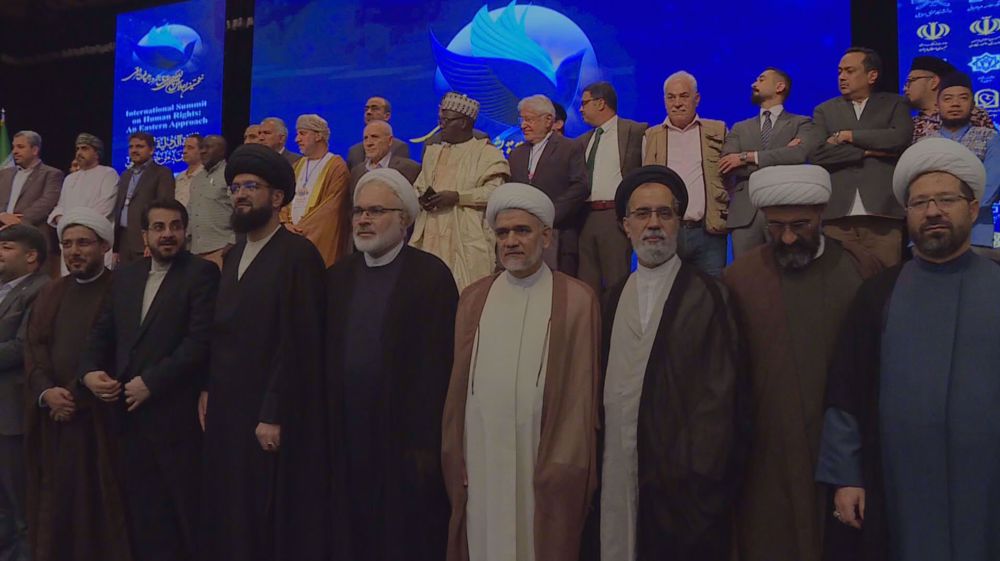
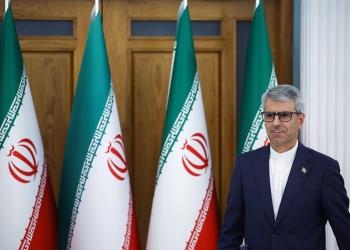
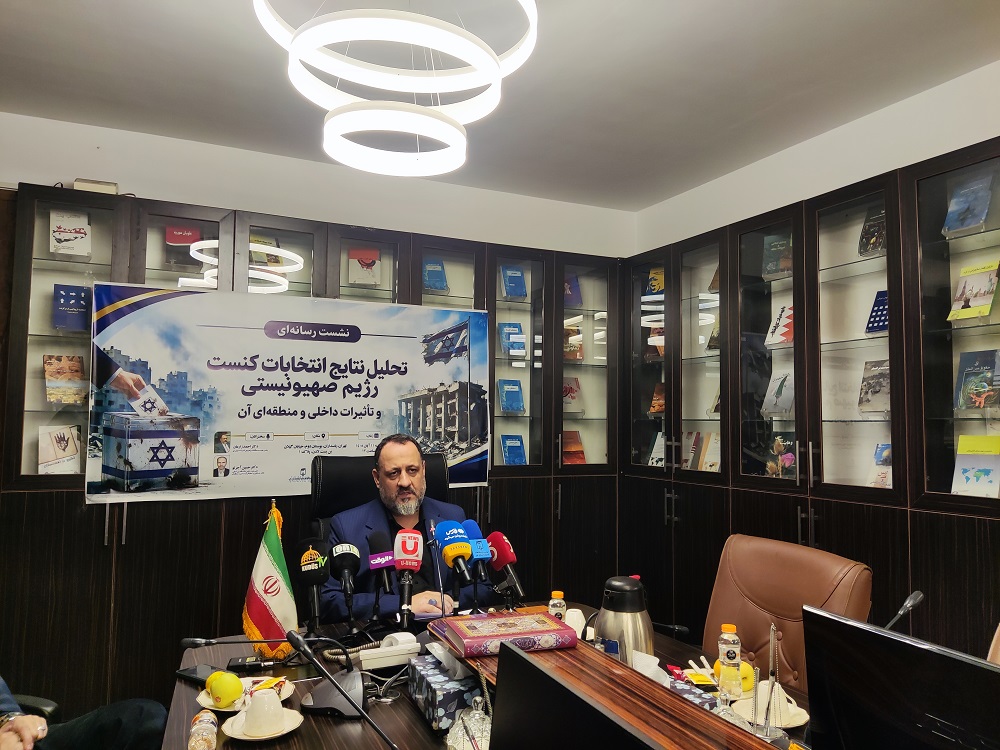
Addressing this crisis, Andisheh Sazan-e-Nour Institute for Strategic Studies in Tehran hosted ananalytical meeting with the presence of West Asia affairs expert Ahmad Zarean and others to discuss the outcome of election, the reason behind Netanyahu's defeat, and the future of political coalitions and the impact of these developments on the regional equations and the Israeli-Iranian confrontation.
Netanyahu's loss and stalemate of cabinet formation
Opening the meeting, Mr Zarean commented on the Israeli political structure, saying that the Israeli regime is a parliamentary system and the power is held the Knesset with 120 seats. To form a cabinet, any political bloc needs the backing of at least 61 lawmakers. In the history of Israeli politics, no single party has ever won that many seats on its own, and governments have always been built through political coalitions.
This very coalition structure, he added, has made governments fragile, so much so that many cabinets have collapsed before completing their four-year term. Between 2019 and 2022 alone, Israel held at least five elections, yet political parties failed to form a stable government. Forming a cabinet in Israel, then, has always been fraught with serious difficulties.
Citing the political lineup of parties in the latest election, the regional affairs expert said that three main blocs competed in the race, first, the ruling coalition led by Netanyahu and centered on Likud; second, the Change coalition made up of Netanyahu's opponents, and third, the Arab parties, which entered the race on independent electoral lists.
Zarean continued that Netanyahu's coalition, formed in 2022, managed to hold itself together despite internal disputes and rifts, becoming one of the longest-serving Israeli governments in recent decades. The Change coalition, by contrast, was formed with the goal of ousting Netanyahu, and his opponents shared common ground on that front.
October 7 attack and Iran war drove Netanyahu's vote defeat
Pointing to the conditions surrounding the election, the Iranian expert said that this was the first election after the Hamas's Operation Al-Aqsa Flood in October 7, 2023, and a series of security, military, economic, and international developments shaped its outcome. Israel's defeats and failures, particularly in war against Iran, regional and international isolation, mounting public hatred of Israel in global opinion, and the economic fallout of protracted wars were among the factors that influenced the electoral atmosphere.
A sense of insecurity among settlers was another key variable in this election, according to Zarean. Netanyahu sought to shore up his position by claiming to deliver security and military victories, but the results showed that this narrative failed to persuade the Israeli public.
Mr Zarean described the surge in Palestinian turnout as one of the election's surprises, saying that Arab turnout reached around 80 percent, which pushed the number of seats held by Arab parties from 10 to 19. This was a major victory for Arab parties and showed that a collective, movement-like push to participate in the election had taken shape.
He continued that despite various efforts to suppress Arab turnout, a substantial segment of the Arab community went to the polls. The main reason was that Arabs felt the status quo's continuation would harm them, Palestinians in the West Bank and Gaza, and even the entire region. They were determined to prevent Netanyahu from holding his grip on power.
He called the drop in seats for Netanyahu's coalition from 67 to 53 the election's second surprise, maintaining that this decline reflects a fall in public support for Netanyahu, and he can no longer easily form a new cabinet.
Three main red lines hurdling new government formation
Commenting on the obstacles ahead of formation of new government, Mr Zarean held that there are three main red lines that make the government process extremely complicated.
The first red line is opposition of some parties to Netanyahu retaining his post. Some parties, he added, do not want to coalesce with Netanyahu under any conditions.
The second red line, according to him, is the Haredi conscription. To secure backing from the Haredi parties, Netanyahu has exempted them from military service, but some political parties reject the move and have declared they will not approve such a law under any circumstances.
Zarean identified a third red line as opposition by some parties to a political alliance with Arab lawmakers, adding that beyond these, opposition to any partnership with Ben-Gvir and other far-right currents is another obstacle.
He stressed that Netanyahu now holds 53 seats and must enter a coalition with other parties to reach the 61-seat majority, but those very parties are at serious odds with him over another Netanyahu premiership and the Haredi draft exemption. On the other side, Netanyahu refuses to coalition with Arab parties and would not partner with the left-wing parties either, which hold 8 seats combined. Yair Golan, head of the Democratic Party, has also ruled out any alliance with the far-right.
Citing other parties' positions, the regional affairs expert said that Gadi Eisenkot's faction, too, will not team up with Netanyahu, and Avigdor Lieberman has declared his outright opposition to the Haredi draft exemption law. Taken together, these disputes have made the path to forming a government extremely difficult.
New election the most possible scenario
On the scenarios for Israel's political future, Zarean said that in terms of probabilities, parties crossing their own red lines is possible, but it looks unlikely. Only if an outside actor such as the US intervenes and persuades the parties to form a coalition cabinet could the situation change.
The most likely scenario under current conditions is a political deadlock and a fresh election. Under Israel's political mechanism, the president gives the parties three months to form a majority coalition, and if those efforts fail, a new election is held over the following three months, said Mr Zarean.
War conditions could, of course, change the calculus. If a new war breaks out, parties might agree to form a government, but given the current trajectory, the odds of a stable cabinet emerging are low, the expert continued.
Social division and possible heightened home crisis
Mr Zarean described the election result as a natural showcase of the deep social and political divisions inside this regime. This regime, he added, is now undergoing internal crises and its political atmosphere is severely polarized. Trade of accusations between Netanyahu and his opponents gives out the complexity of the political conditions.
He added that Netanyahu tried to strengthen his position by polarizing society, but the strategy fell short. American intelligence agencies had earlier warned that this regime was on the brink of civil war and that its political and social cohesion was heading into crisis. Israel is still reeling from the fallout of Operation Al-Aqsa Storm, and if the parties fail to form a new government, the domestic situation will grow more complicated.
Israel's enemity to Iran would not end with change of governments
In another part of the meeting, Zarean addressed the impact of the Knesset election results on the Iran-Israel conflict, saying: The Islamic Republic of Iran, as a regional power, monitors all developments. It should be noted that the Iran-Israel confrontation is existential in nature, and a change of government in Tel Aviv will not eliminate this enmity.
A change of government in Israel might alter the tactics of confronting Iran, but the core threat will persist. For example, Naftali Bennett floated the "death by a thousand cuts" strategy during his premiership, showing that different Israeli factions may pursue different approaches in dealing with Iran.
The regional affairs expert stressed that the Israel variable cannot be analyzed without factoring in the US role. As long as Washington maintains its illegitimate presence in the region, Israel will continue its threats. The Israel question must therefore be examined within the framework of US threats and actions against Iran.
US election and Washington political equation shift
Closing his remarks, Mr Zarean pointed to the influence of the US midterms on Iran war. He said that according to the polls, the Republicans may lose the House and the Republican-led political structure's unity may collapse.
In such conditions, the Democrats, if gained control of the House, will push to rein in the Trump's administration. This can bring forth a new political reality in the country and sway Trump administration's decisions in foreign policy, including in Iran case.