









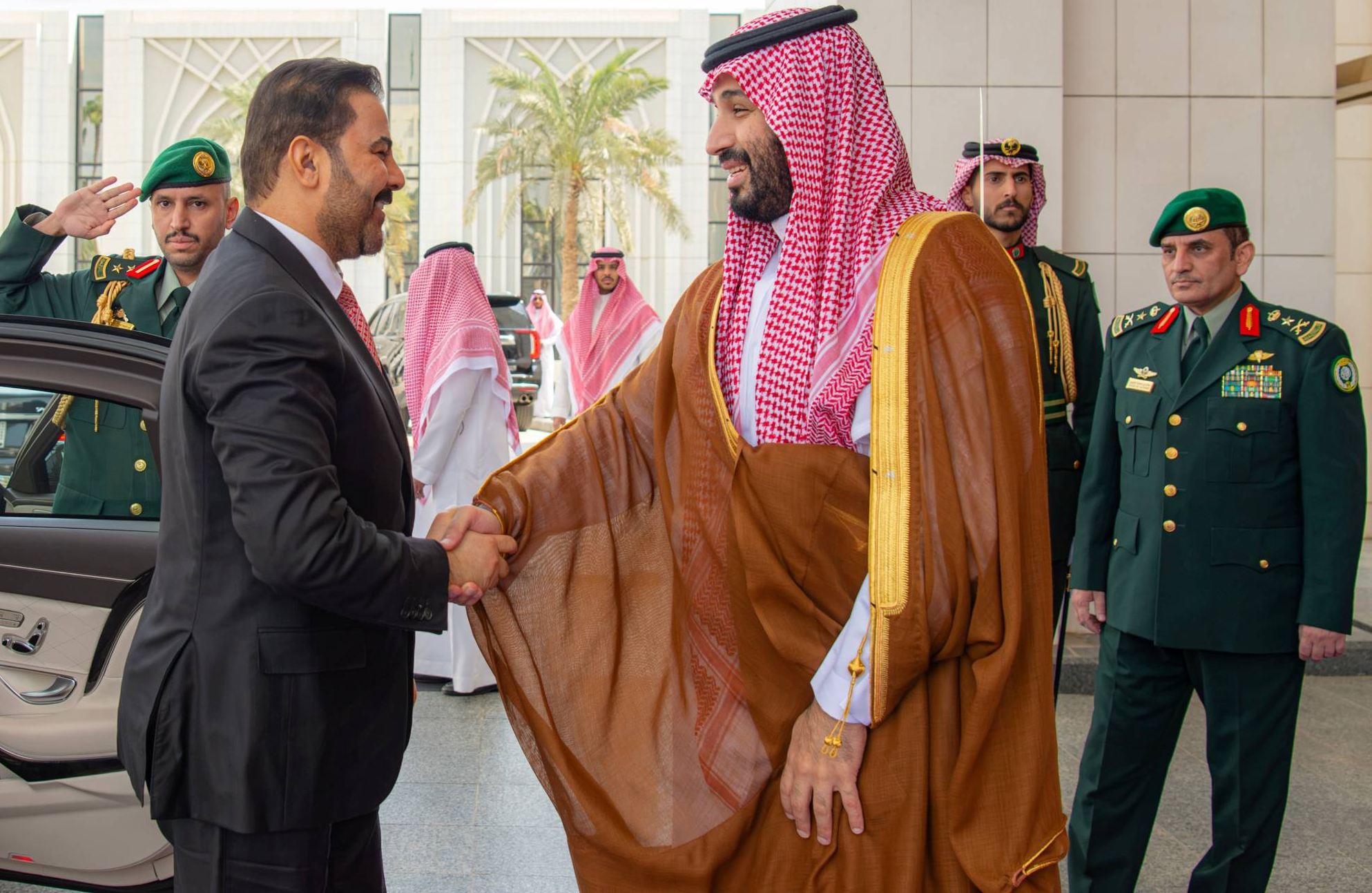


Alwaght- Iraqi Prime Minister Ali Falih al-Zaidi, who has made various regional visits in recent months aimed at shoring up bilateral ties and expanding political and economic cooperation, has now chosen Saudi Arabia as his latest diplomatic destination.
On Wednesday, al-Zaidi arrived in Riyadh heading a high-ranking delegation to meet with Saudi officials on bilateral relations, avenues for deepening joint cooperation and the latest regional developments.
Ahead of the visit, the Iraqi PM stressed that Iraq-Saudi relations carry special strategic weight, and that the two countries have made tangible headway in building trust and opening channels for cooperation.
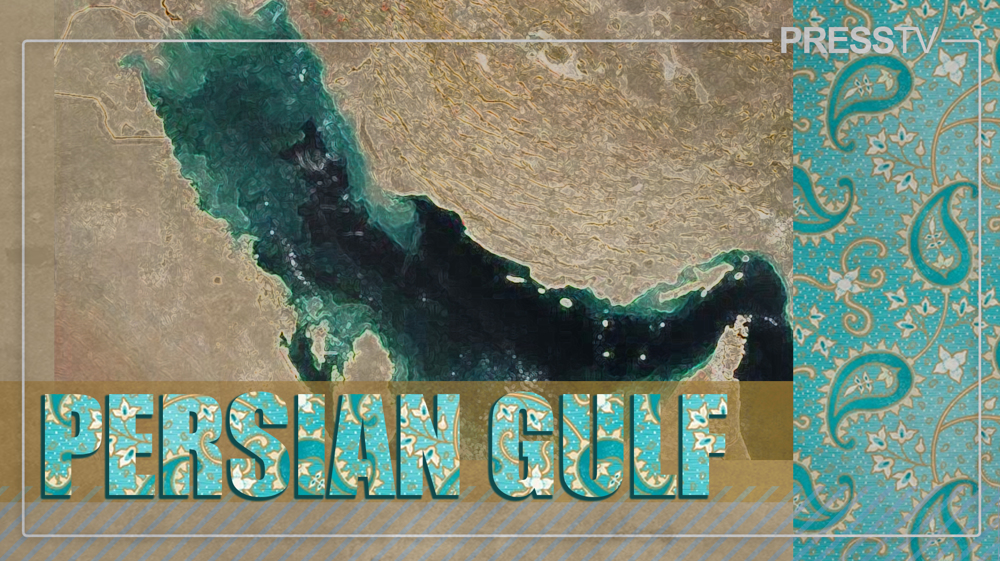
Al-Zaidi also emphasized that Iraq's security and Saudi Arabia's stability are part of a broader equation for Persian Gulf security and regional stability, saying Iraq can serve as a mediator through dialogue to help bridge regional powers.
A statement from Saudi Arabia's official news agency said that al-Zaidi and Saudi Crown Prince Mohammed bin Salman discussed regional developments and coordination to bolster security and stability. He condemned the attack on King Khalid International Airport and the targeting of civilian and critical sites in Saudi Arabia, asserting that Baghdad rejects the use of Iraqi territory as a launchpad for any attacks against Saudi Arabia or other regional countries.
Al-Zaidi also highlighted Iraq's commitment to the principles of good neighborliness and respect for the sovereignty of Saudi Arabia and other nations. For his part, the Saudi crown prince stressed the kingdom's keenness to strengthen ties and cooperation with Iraq across various fields, particularly security coordination.
Before the trip, an Iraqi government source told Al-Akhbar newspaper that al-Zaidi would tackle critical security issues and economic matters tied to Iraq's current crisis during the visit, and would weigh various options in light of the security unrest and its fallout.
Still, the key question, according to the Iraqi source, is whether Baghdad can advance a balanced dialogue that takes into account the security and sovereignty of regional countries, including Iraq, or whether security coordination with Riyadh will take precedence without resolving outstanding disputes.
Concern about expansion of Yemen war
Having in mind that the visit to Saudi Arabia is coming amid escalating tensions between Saudi Arabia and Yemen's Ansarullah, some experts believe that consultations on these tensions and their potential consequences for regional stability were among the primary objectives of al-Zaidi's Riyadh visit.
Hassan Hanizadeh, a West Asia analyst, told Alwaght about the motives behind al-Zaidi's trip to Riyadh at this sensitive regional juncture, saying that "al-Zaidi's visit to Saudi Arabia came as the war between Yemen and Saudi Arabia has reached its peak, with the conflict potentially spilling beyond the two countries' borders. The solidarity of Iraqi resistance groups with the Yemeni people has raised concerns among Iraqi officials, including al-Zaidi himself, and there is a real possibility that if other countries step in to assist Saudi Arabia and suppress Ansar Allah, the majority of Iraqis and non-state bodies would rush to the Yemenis' aid."
Mr Hanizadeh added:" This could complicate matters for al-Zaidi's government in reining in domestic actors and turn Iraq into a theater of confrontation between Saudi Arabia and Iraq. The Iraqi PM, therefore, proposed during his visit to Saudi Arabia and his meeting with Mohammed bin Salman that Iraq mediate between Ansarallah and the Saudi government to prevent the war from widening."
Baghdad trying to be neutral
The political analyst also stressed the rationale behind al-Zaidi's mediation between Riyadh and Sana'a, saying that "it stands to reason that Iraq, on the one hand as an influential Arab state and on the other, given the religious composition and emotional attachment of the majority of Iraqis to Shia Ansarullah, must adopt a balanced, in-between policy. The Iraqi prime minister is therefore deeply worried about the Yemen-Saudi war widening, and he assured Saudi officials during the meeting that Iraq will maintain its neutrality and will not allow Iraqi resistance movements to take any action against Saudi Arabia. The best and most appropriate option for the Iraqi government is thus to end the Yemen-Saudi war, and Baghdad has the capacity to step into this arena, that is, mediation between Saudi Arabia and Yemen."
Riyadh incapable of pressing Iraq
Asked whether Saudi Arabia, given the current tense regional climate and Iraqi resistance groups' support for Ansarallah, intends to pressure al-Zaidi's government to curb that backing for Sana'a, Hanizadeh noted that Riyadh is in no position to pressure Baghdad into preventing popular support for Ansarallah. But al-Zaidi's policy and that of his government are a function of US policy, and the White House has no desire to see Iraq become a theater of confrontation with Riyadh. The Iraqi PM is therefore in an extremely difficult position, because if the war escalates and regional countries such as Turkey and Pakistan step in to support Saudi Arabia, it could trigger a negative backlash within Iraqi society that al-Zaidi's government would struggle to control.
It should be taken into account, said Hanizadeh, that tensions between Iraqi resistance groups and Saudi Arabia have mounted in recent months. After Saudi warplanes struck positions belonging to these groups, a number of resistance commanders warned that they would respond decisively if the attacks continued. The situation has heightened concerns about the conflict widening and its potential consequences for regional security and stability. One leader of the Iraqi groups thus told Al-Akhbar newspaper that al-Zaidi should raise the issue of Saudi strikes on Popular Mobilization Forces (PMF) bases directly in his talks in Riyadh.