









Alwaght- The 60-day US-Iran memorandum of understanding that was supposed to be a pathway to ending the war and resolving outstanding disputes expired Monday without a tangible breakthrough, casting the prospects for a truce deeper into uncertainty.
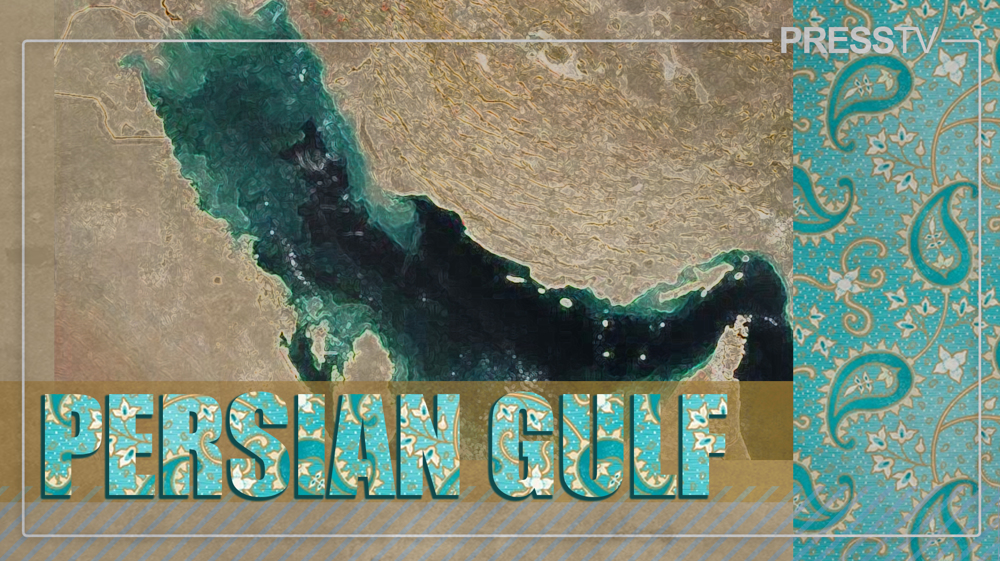
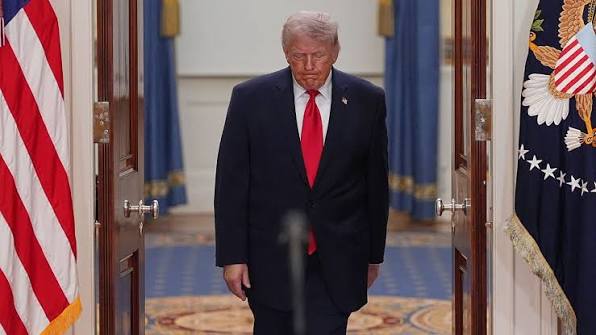
As the two-month window closed, the US President Donald Trump, who had spent weeks wielding threats and pressure to wring concessions from Tehran, announced that no talks are underway, none are planned, and that he would maintain a naval blockade. Iran, for its part, continues to reject Washington’s terms, with core flashpoints like the Strait of Hormuz remaining unresolved.
Against that backdrop, speculation over Trump’s next move toward Iran has become one of the most heated debates in US analytical and media circles.
Trump sinking in Iran war swamp
International media see Trump's latest remarks less as a show of strength and more as a portrait of Washington's confusion and desperation.
The Washington Post delivered the bluntest assessment of Trump's predicament, writing that the 60-day interim deal has expired, broader negotiations are stalled, and the war grinds on. Trump, the paper argued, is now mired in a quagmire, two months in and still without an exit strategy.
With a sharp edge, the Post noted that the White House had once hailed the agreement as a "historic breakthrough" that would reopen the Strait of Hormuz and guarantee Iran would never obtain nuclear weapons. Instead, the war continues, the Strait remains closed, and the economic and political costs at home are mounting. The prolonged standoff, the paper warned, risks casting Trump as the steward of a war that undercuts one of the core pillars of his political identity.
CNN, meanwhile, reported that Trump and his team are now banking entirely on economic pressure to eventually force Tehran to accept US terms. But that pivot, from military strikes to "economic strangulation", betrays the fact that the war's original objectives have not been met, and Washington has been forced to change course just to reach any outcome. With the two-month deadline passed, Iran is sticking to its strategy of "patience and resistance against Washington's pressure", meaning Trump's threats have so far failed to bring Tehran to its knees.
The New York Times focused on the sobering reality that the 60-day deadline has come and gone without a comprehensive peace deal, turning Trump's promise of a quick resolution into a protracted crisis.
The AP summed it up starkly, saying that the deadline for ending the war and securing a nuclear agreement has expired, and the two sides are further apart than ever. Washington, the AP reported, faces "no good options" for extracting itself. Accepting Iran's terms would mean ceding control of a vital waterway, effectively admitting defeat. Escalating the war, on the other hand, would further deplete advanced missile stocks, rattle the global economy, and send gas prices spiking ahead of the midterms. Both sides have dug in, each hoping the other will blink first, but so far, neither has.
The Wall Street Journal, in a piece titled "Trump's Iran War Knot," painted the current situation as critical. From the paper's view, Trump's recent threats against Oman are a telltale sign of mounting pressure on the president. Washington has hit serious roadblocks in its push for both a nuclear deal and a resolution to the Hormuz crisis.
CBS News underscored that the 60-day window for securing a peace agreement and reopening the strategically important waterway has shut with no deal in sight. Between Trump's threats toward Oman and the enduring stalemate over the Strait, the network reported, Washington has yet to resolve even a single major issue in this conflict, and as the war remains bogged down, Trump has only escalated his saber-rattling.
The Financial Times reported that in Tehran, the prospect of an expanded war is being taken seriously, with scenarios even including strikes on US military targets in Europe. For Trump, the message is clear: doubling down on pressure to end the war may not resolve it and it could instead widen its geographical scope and balloon its costs. The FT also noted that the conflict is already reshaping the region in ways that will likely have lasting consequences for Washington, with Persian Gulf Arab states rethinking just how much they can rely on the US as their primary security guarantor.
NPR, meanwhile, highlighted the expiration of the agreement deadline and the failure to reach peace, pointing out that the war has put America's Arab allies in an uncomfortable bind. Trump, the network observed, is now contending not just with Tehran, but with the regional blowback of his own policy.
Warnings by American think tanks
American think tanks, for their part, broadly assess that continuing the war will yield no new strategic gains for Washington.
The Institute for the Study of War and the Critical Threats Project reported that Iran's political structure shows signs of readiness to sustain, or even escalate, the conflict with the US and its regional allies. Their warning: Washington should not assume that economic pressure will necessarily force Tehran to capitulate anytime soon.
The Defense Priorities institute, in its latest analysis, framed the war as a "deepened security dilemma," arguing that confronting Iran is more likely to complicate US security challenges than resolve them.
The Stimson Center examined the conflict as a case study in the US entanglement in a web of regional commitments and alliances, cautioning that Washington's decision to enter the war, shaped by its ties to partners, could make extrication all the more difficult.
Proceedings, the professional journal of the US Navy, stated bluntly that the "swift victory" over Iran promised back in March has not materialized. The analysis also cited violations of the memorandum and the collapse of the ceasefire, identifying the Strait of Hormuz standoff as a core driver of persistent tensions.
And Lee Miringoff, director of the Marist College Institute for Public Opinion, offered a political warning: "This war has eroded voter trust in Trump and could carry significant consequences in the midterm elections."
European concerns
Beyond US media, other Western outlets broadly concur that Washington has hit a dead end in its conflict with Iran, and that neither military nor economic pressure has forced Tehran to back down.
Reuters reported that with the agreement deadline expired, peace talks have stalled, investor anxiety is mounting over the lack of a resolution, and rising oil prices suggest markets are bracing for a protracted war. The agency noted that Trump no longer wants to extend the memorandum, while Iran remains unwilling to accept Washington's terms, leaving economic pressure as a stand-in for a diplomatic solution. Meanwhile, Trump's threats against Oman signal that even the mediation track for resolving the Hormuz crisis has hit serious turbulence.
The Guardian wrote that with peace talks collapsed and the 60-day deadline expired, prices are climbing again. Trump, by threatening to bomb Oman and declaring he has 'no timeline and no urgency' for a deal, has effectively dashed any remaining hope for a swift end to the war."
Le Monde painted a picture of a conflict whose original objectives have shifted, with the administration showing little appetite for explaining the real situation on the ground, a sharp contrast with Trump's earlier claims of rapid victory.
The Independent reported that as the ceasefire deadline lapsed, Trump again threatened Iran and demanded its surrender, a posture that shows Washington, rather than declaring an end to the war, has been forced to escalate its rhetoric, underscoring that military pressure has yet to deliver the political outcome it sought.
Arab world confused by Trump's approach
Prominent Arab media outlets also see no clear way out of the US-Iran confrontation.
Asharq Al-Awsat newspaper, citing Trump's announcement that all talks with Tehran are off, coupled with the continued closure of the Strait of Hormuz, stressed that the stalemate between Washington and Tehran remains firmly in place, with no visible path toward resolution.
Al-Araby Al-Jadeed described the post-deadline landscape as "murky," posing the open question: after the failure of the agreement process, does the future hold war or negotiation? The report noted that Trump's ultimatum has failed to resolve the war's core issues.
Al Jazeera wrote that the Hormuz and sanctions agreement has expired with the main problem still unsolved. Trump, the network observed, has effectively moved into a new phase of pressure rather than ending the war, tightening the blockade and laying down new demands. His threats against would-be mediators like Oman show that Washington is struggling even on the diplomatic track, and that Trump's pressure tactics have complicated his relationships with intermediaries rather than clearing a path to a deal.
Al-Mayadeen argued in an analysis that the Trump administration's push for more economic pressure and sanctions on Iran, contrary to Washington's assumptions, will not necessarily force Tehran to surrender, and could even exact a heavy toll on the global economy. While the US aims to cut oil revenues, restrict financial transactions, and weaken Tehran's ability to meet domestic needs, decades of sanctions have shown that Iran possesses a significant capacity to adapt and work around restrictions.
Ra'i Al-Youm emphasized that the expiration of the 60-day Islamabad deal does not automatically herald a new war, but rather marks a fresh phase of confrontation and bargaining. Iran, while keeping mediation channels open, refuses to return to talks under American pressure and is leveraging the Strait of Hormuz as a political and economic card. Washington, for its part, continues to rely on economic pressure, naval blockade, and military threats, but faces growing constraints from rising energy costs and the war's broader economic fallout.
In the end, Trump finds himself in a position where every option carries a heavy price. Continuing the war means sinking into a grinding conflict, directly undercutting his own promise to end "endless wars." Beyond that, a prolonged confrontation could provoke broader Iranian retaliation, including stepped-up attacks on US interests and energy infrastructure across the Persian Gulf. Meanwhile, the economic pressure and blockade that Trump has touted as the key to forcing Tehran's submission look less like a coherent endgame strategy and more like a bid to buy time, searching for an exit from a dead end that military action alone has failed to resolve. And that, precisely, is the point that recent media analyses have converged on.