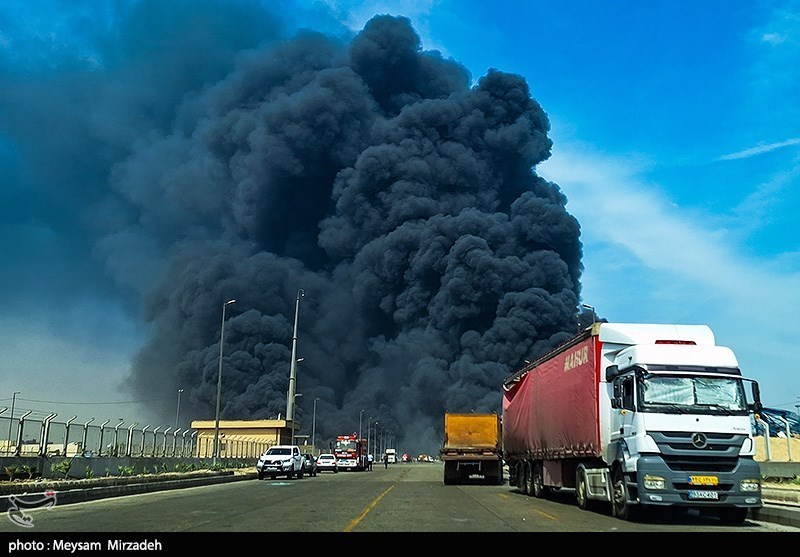














Alwaght- Geopolitical developments in West Asia region after US-Israeli aggression on Iran have left deep and vast impact on the world energy markets. Just contrary the claims made by the US President Donald Trump that military pressures and offensive strategies against Iran can stabilize the energy markets, economic data suggest that not only have these policies not been successful, but also they have stirred a fuel crisis in the world, especially Western countries.
One of the clear signs of this crisis is the recent decision by Air Canada, the country's largest airline, to suspend its flights from Toronto and Montreal airports to the JFK airport for five months.
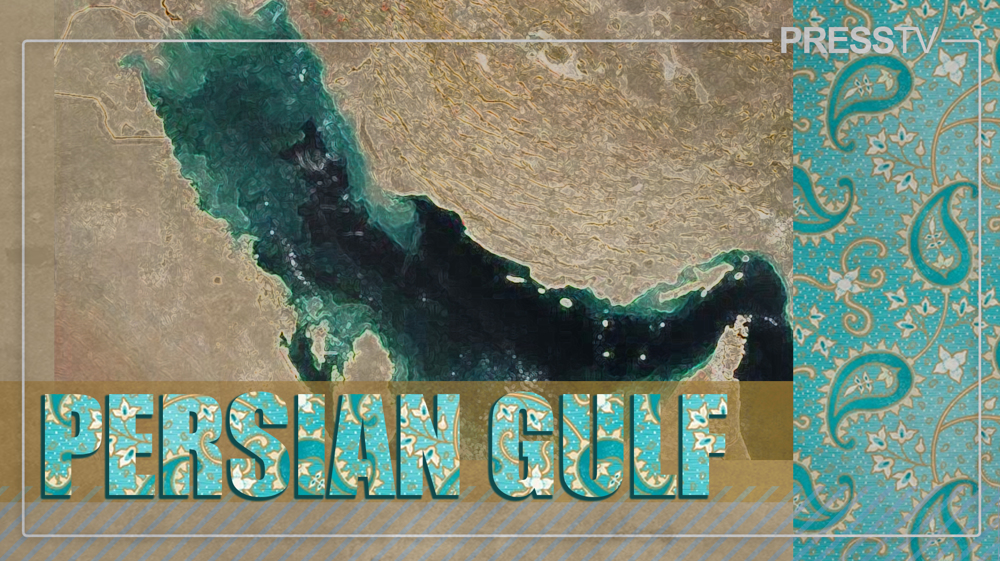
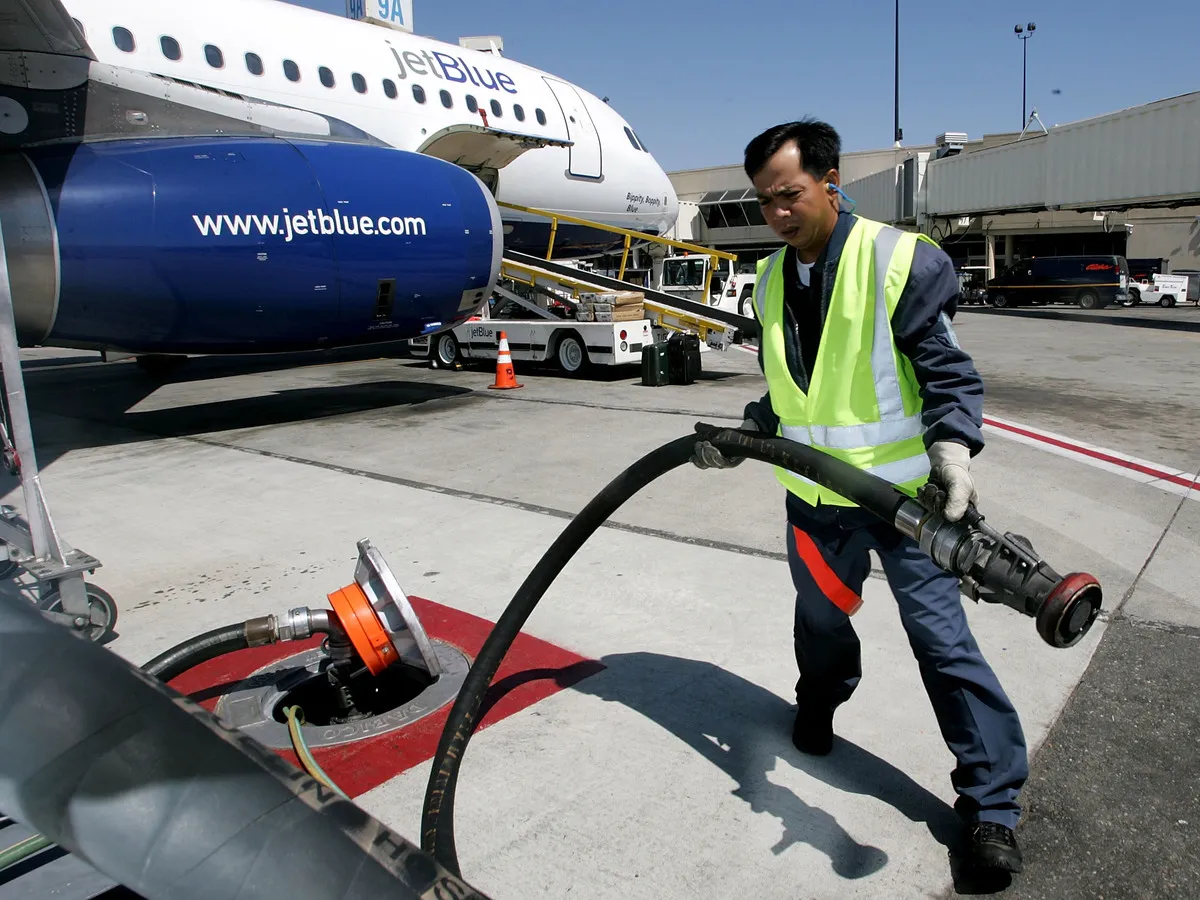
The decision follows a severe jet fuel shortage at the airport and a more than 100 percent surge in procurement costs. Air Canada officials have explicitly blamed the war in Iran and the wider West Asia region, particularly disruptions to crude oil supply chains and the closure of vital maritime routes like the Strait of Hormuz, as the root cause of the crisis.
Aviation industry experts have described the situation as the “worst fuel crisis in the history of civilian aviation,” rating it even more severe than the aftermath of the 9/11 attacks or the COVID-19 pandemic. That assessment underscores just how deeply energy disruptions can bite into critical sectors of the global economy.
Trump's efforts only compound the crisis
Though Trump everyday with new remarks about reopening the Strait of Hormuz and the deal with Iran seeks to contain the rallying oil and gas prices in the world markets, his approach has proven far from fruitful and has managed to only bring about relative short-lived stability to the markets.
Data published following Iran war showed that the jet fuel in North America have risen 85 percent on average and in some key airports like New York City and Los Angeles this price rally touched 110 percent.
Europe is facing a similar crisis. Fuel prices in Germany and France have soared between 70 percent and 90 percent , and reports indicate the trend is accelerating. Across the EU, the average price of gasoline has hit over €2.50 per liter, an unprecedented record.
In the US, newly released data show that gasoline prices in states like California and New York have crossed the $6-per-gallon mark. Meanwhile, diesel, critical for transportation and supply chains, surged more than 60 percent in April compared to the same month last year. These spikes have directly driven up production and transport costs, fueling inflation across Western economies.
Under these conditions, Washington’s allies, supposed beneficiaries of aggressive US policies against Iran, are now facing severe economic strain. European nations, heavily dependent on energy imports, have been hit hardest. With reduced access to cheap, reliable oil from the Persian Gulf, America’s partners have been forced to turn to pricier, more distant sources, imposing significant extra costs on their economies.
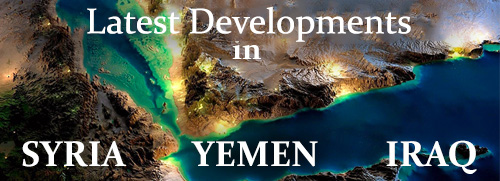
One of the key agitators of this crisis is disruption of navigation in the Strait of Hormuz. This strait, through which one-fifths of the oil supplies cross, have seen a sharp drop in its activities following the military tensions and war. The US push to reopen this key waterway has not only failed, but also distrust and instability began to encompass the markets.
Amid all this, Trump’s claims that “maximum pressure” on Iran would lower energy prices and boost the US and allied economies stand in stark contradiction to reality. What has actually unfolded is unprecedented price spikes, shattered supply chains, and widespread economic pain for Western consumers and industries alike.
Western officials and analysts have repeatedly, often with sarcasm, pointed out the irony: Trump now talks of reopening the Strait of Hormuz and demands global cooperation, even though that vital waterway was fully open and shipping moved without issue before US and Israeli military actions against Iran.
Consequences of fuel price surge
Given the extensive reliance of the global transportation on fuel, extended tensions in West Asia can cause considerable implications to various countries. In air transportation, which has a vital role in the global economy, this crisis is crystal clear.
Rising fuel costs, already a major chunk of airlines’ operating expenses, are now squeezing profits and pushing many carriers into heavy losses. In response, companies are being forced to cut flights, drop low-margin routes, and hike ticket prices. That, in turn, dampens travel demand and triggers a slowdown in tourism and international trade. Smaller airlines face growing risks of bankruptcy or forced mergers. Over the long haul, this crisis could erode competition, drag down service quality, and weaken Western aviation’s standing in the global market.
Furthermore, higher fuel bills are throwing airline expansion plans into disarray, delaying fleet purchases and aircraft upgrades. On top of that, the financial pressure may lead to workforce cuts and deteriorating service levels, bringing serious social and economic fallout. As a result, global transport markets are becoming increasingly unstable, and the industry’s growth outlook has never been darker.
At the end, we can say that American and Israeli aggressive policies in West Asia have not only failed to meet their announced goals, but also caused instability to the energy and financial markets of the world. Longer crisis can leave even more serious impacts on the world economy and draw deeper gaps between the US and its allies. So, if Washington wants the world out of this predicament caused by Trump's warmongering, it should quit adventures in the Persian Gulf and naval blockade of Iran for the world markets to regain themselves and move to calm.