







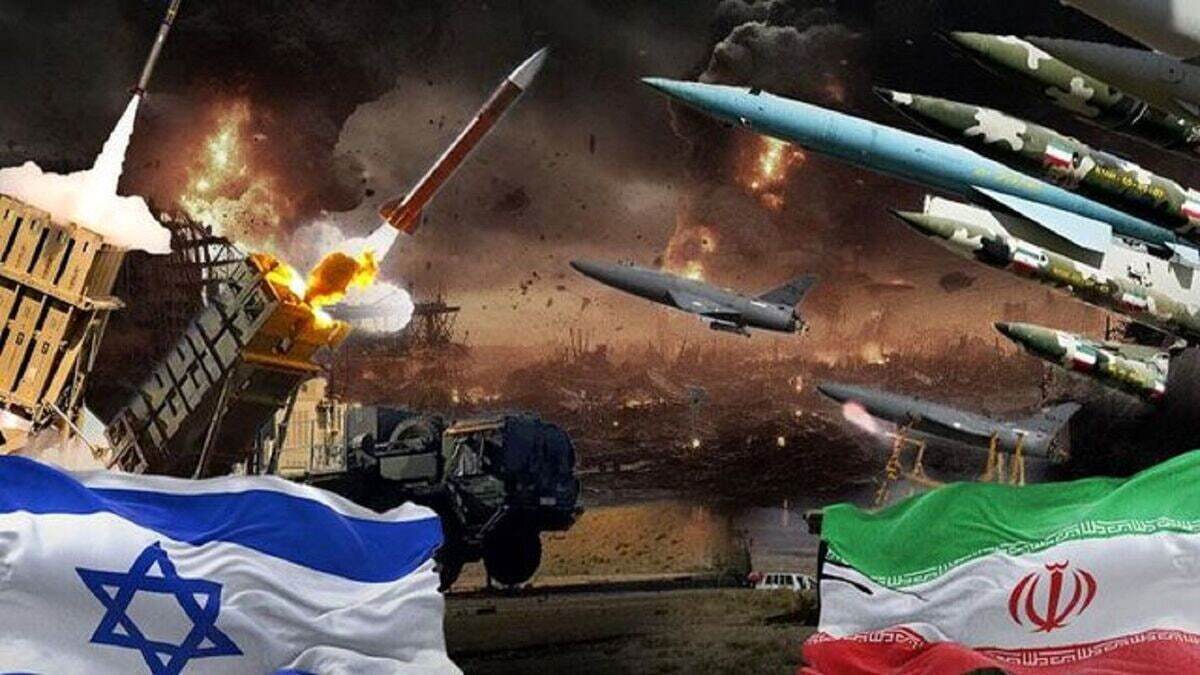


Alwaght- As the dimensions of the Israeli-American war on Iran broaden at all levels, Iranian armed forces, according to the preplanned strategies and trainings that are aimed at making the ongoing conflict a war of attrition to increase the human and financial costs of war for the enemies, in each stage exponentially unveil a new surprise to the enemies on the battleground.
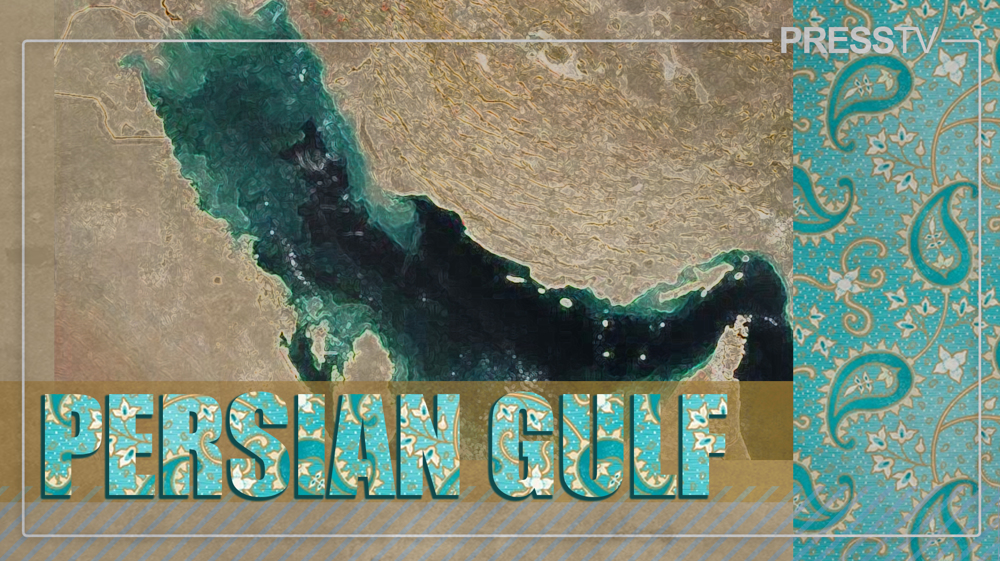
In this context, following the widespread failure of the enemy to limit the continuous waves of Iran’s missile and drone attacks, and the reopening of the strategic Strait of Hormuz based on the asymmetric warfare strategy of the armed forces, the Islamic Revolutionary Guards Crops have employed diverse and complex methods to smartly control the strait, effectively preventing enemy oil tankers and commercial and military ships from passing through. This has left Trump utterly bewildered and stripped him of the ability to make rational decisions. Continuing this streak of surprises, two significant events yesterday unleashed a wave of fear and surprise upon the enemy.
Dimona in fire
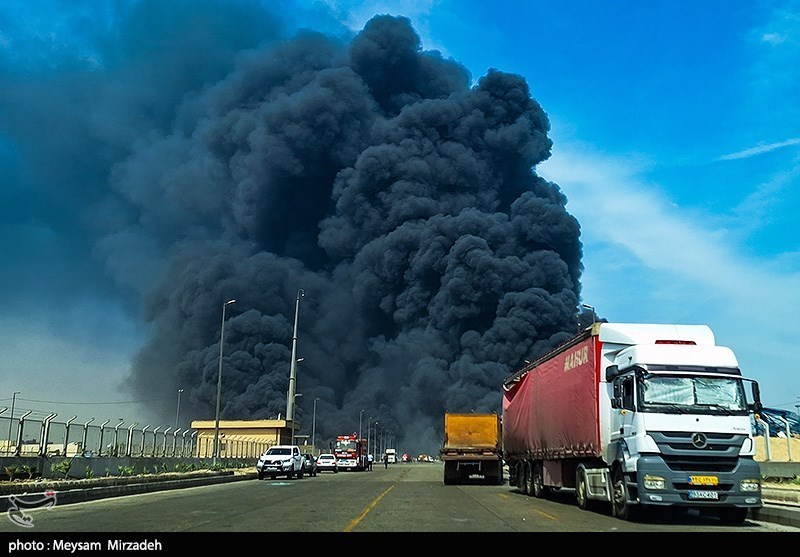
On Sunday night, following the announcement by the spokesperson for the Iranian armed forces regarding gaining complete missile control of Israeli airspace and Iran’s capability to achieve an exceptional nearly 100% hit rate for missiles, news broke of a successful strike on the heavily fortified Dimona nuclear facility, sending shockwaves through the collective psyche of the Israelis. This successful hit not only validated reports of the vulnerability of the skies over the occupied territories to Iranian projectiles but also demonstrated the complete dominance of the armed forces in this context. In response, the Israelis, panicked and disoriented, immediately resorted to their usual tactics of playing victim and misinformation, attempting once more to conceal the true extent of the damage (likely involving casualties among key scientists and figures in the nuclear industry) and the impact on the Dimona facilities. They labeled the heavily hit Irad as a remote city with a civilian population in an effort to mitigate the psychological fallout from this setback.
The attack came as a surprise to both the Israelis and the Americans, who had believed the extensive deployment of multiple defensive systems, including Arrow, THAAD, Patriot, and Iron Dome around Dimona would prevent any such incident. This strike occurred after the armed forces of the Islamic Republic promised, based on their eye-for-eye strategy to respond with significantly escalated retaliation to any enemy actions targeting critical infrastructure.
This comes after the American-Israeli enemy, in blatant violation of all humanitarian international standards and laws of war, as well as the outdated and ineffective protocols of the International Atomic Energy Agency, dangerously targeted the Natanz nuclear facility in Iran’s Isfahan province. Consequently, the Dimona nuclear facility is now firmly on Iran’s list of legitimate military targets. This target alone could render a significant portion of the already limited Israeli regime’s territory uninhabitable for hundreds of years, forcing millions of Israelis to purchase one-way tickets to flee from the occupied Palestine.
New era of Iranian missile power: worldwide missile arms
The second surprise of Tehran was also significant to the enemies. A day before Dimona attack, Western media reported an Iranian missile attack on a military base in Diego Garcia Island in the Indian Ocean used by the US to position its strategic long-range bombers.
This island is located approximately 3,800 kilometers from the southernmost maritime borders of Iran. Given that prior to recent developments, the declared range of Iranian missiles was reported to be 2,500 kilometers, it appears that the US is conducting most of its heavy bombings with bunker buster bombs from this island to protect its strategic bombers, long-range radars, and military personnel from the threat of Iran’s precision-guided and hypersonic missiles.
However, the launch of missiles with a range of 4,000 kilometers has unsettled the Americans and their European allies, proving that what the world has known about Iran’s military power so far is merely the tip of the iceberg, with the majority of its capabilities being hidden. As openly as the enemies display their overt animosity towards the resilient Iranian nation, the armed forces of the country also reveal new dimensions of their capabilities to strike back at the enemy.
The unveiling of missiles with ranges exceeding 2,500 kilometers likely indicates that there are no restrictions on missile range. In the past, Martyr Shahid Tehrani Moghaddam, the father of Iran’s missile program, promised as much. Tehran has so far maintained the range of its missiles based solely on the geographical scope of threats against the security and national interests of the country, limited to 2,500 kilometers. However, this limitation is now obsolete, and Tehran will increase the range of its missiles based on international laws of the right to respond, as it sees fit.
One of the new sources of threat to the national interests and security of the country is the recent actions of European countries, especially the British government, which, contrary to its initial stance of neutrality in the war, has recently taken measures to assist the American-Israeli camp.
This issue was addressed during a phone conversation on Friday of the Iranian foreign minister and his British counterpart to whom the top Iranian diplomat warned that any participation in war under any excuse like reopening the Strait of Hormuz will be regarded an act of anti-Iranian hostility by London and will draw Iranian response. So, by firing longer range missile, Iran used a non-diplomatic language to warn the Europeans to stay away from any entry in the Trump’s military adventures and the quagmire Netanyahu has prepared for the West, or they will sustain war damages in an unexpected way.