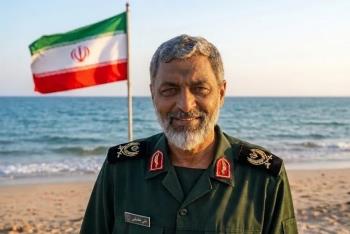










Alwaght- Over the past past few months, the US military has deployed a major portion of its air force to West Asia region, signaling preparation for a potential war against Iran. Though Washington-Tehran diplomacy is still ongoing, at the same time Trump's verbal threats against Iran continue, while Tehran has warned that it will firmly respond to any aggression.
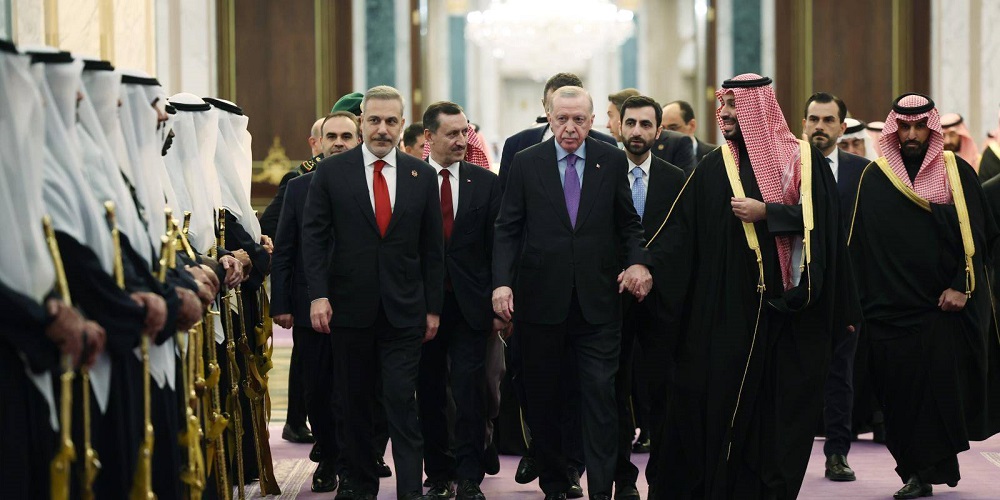
Meanwhile, regional leaders including Saudi Arabia and Qatar and Turkey in the past few weeks have stepped up their diplomatic moves to prevent a new war in the region, and even Turkish President Recep Tayyip Erdogan has made it clear Ankara is against any American military action against Tehran.
These same concerns and opposition to war against Iran can be seen in the approaches of the closest US allies like Egypt, Kuwait, Pakistan, Iraq, and even Jordan. Actually it is clear to all that no side, excluding the Israeli regime, supports an anti-Iranian military campaign.
Arab leaders in confusion
Arab officials and diplomats have acknowledged that while the increased US military presence in the region points toward a potential war, they remain in the dark about Washington's true objectives. Arab nations are essentially left guessing what a US military operation against Iran would mean for the region's fate, and what Trump's real aim is with a potential strike against Iran. The Trump administration's lack of clarity regarding the scale and intent behind any military option has only deepened regional fears about the consequences of a possible attack.
Arabs are caught in confusion: Is Trump genuinely seeking to curb Iran's nuclear capabilities, or is his goal regime change? This ambiguity has left Arab and Turkish leaders bewildered, prompting them to repeatedly voice their explicit opposition to any military action against Iran.
According to Arab experts, pursuing regime change through war is extremely perilous, particularly given the absence of any organized, nationwide, popular, or credible opposition movement within Iran.
The consequences of waging war against a major nation like Iran would include a dangerous scenario marked by the potential proliferation of armed groups or the spread of a regional crisis, on a scale far exceeding what West Asia has witnessed from conflicts in Iraq, Syria, or Yemen. Moreover, Iran's demographic makeup, comprising various ethnic groups, compounds anxieties about the aftermath of any war. Consequently, regional states have no desire to see destabilization take hold inside Iran.
Fears of hard Iranian response
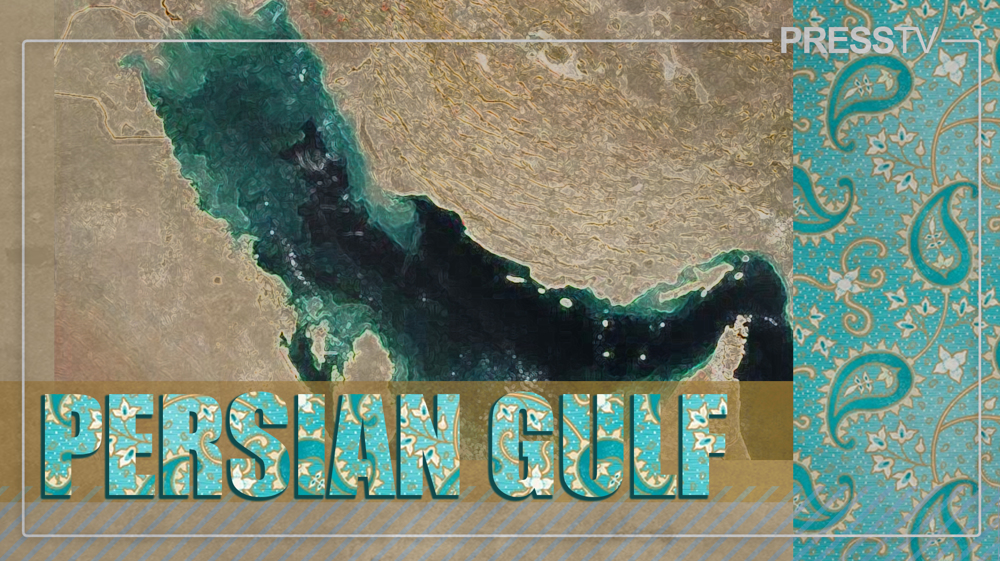
Persian Gulf Arab leaders are deeply anxious about the potential for Iranian retaliation should war break out, with both Saudi Arabia and the UAE declaring they will play no part in any attack on Iran. Their concern is heightened by the fact that the US maintains military bases in nearly every Arab country across the region, and Iran has explicitly warned it would target those installations if Washington strikes first.
Steven A. Cook, a Middle East and Africa studies fellow at the Council on Foreign Relations, points to a telling contradiction: despite the visible uptick in US military movements at bases and facilities across Gulf Arab states, there is no significant military preparedness underway within Bahrain, Kuwait, Qatar, Saudi Arabia, or the UAE themselves.
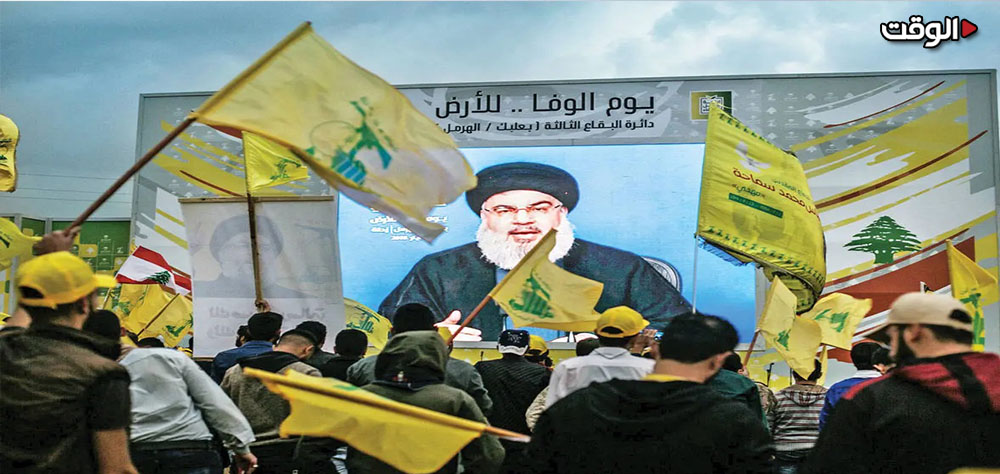
Meanwhile, regional resistance forces, Yemen's Ansarallah, various Iraqi militias, and Lebanese factions, stand ready to target American troops and bases should hostilities against Iran erupt. Between 2003 and 2023, Iran's regional influence expanded dramatically; Baghdad fell increasingly under Tehran's sway following the 2003 US invasion of Iraq. Iran also maintains significant sway in Lebanese society through Hezbollah, and developments in Yemen have seen Iranian influence deepen in Sana'a through the Ansarallah alliance. The result is a powerful network of state and non-state allies across the region that align fully with Tehran in regional and international affairs.
The destructive rocket and drone attacks on Saudi Arabia’s Aramco facilities in 2019 that were attributed to Ansarullah movement showed the Saudis how vulnerable they are to potential Iranian missile attacks.
Also, the Iranian missile attack on US-operated Al-Udaid Airbase in response to the American aggression during the 12-day war showed that Tehran is both serious and capable of targeting American military bases in the region. This is proven also from the Iranian missile attack on the US's Ain Al-Assad airbase in Iraq in response to assassination of Iran's anti-terror general Qassem Suleimani. The attack, as admitted by Trump, caused traumatic brain injuries to the American troops stationed in the base. So, the fact that Iran maintains military response to the American bases in the region is the biggest worry of countries hosting American forces on their soil.
Arab understanding of threats in the region shifts
Following the October 7, 2023 attacks by Hamas against the Israeli regime and the ensuing Israeli genocidal war on Gaza, perceptions among West Asian leaders have fundamentally shifted. For regional states, the primary danger now stems from Israeli expansionism, aggression, and the chaos triggered by Israeli actions. The Israeli regime's strike on the Qatari capital Doha signaled Tel Aviv's willingness to violate long-standing understandings regarding regional security, a move that has only reinforced Persian Gulf states' perception of Israel as a threat.
In late 2018, during Trump's first term, the US sought to establish the Strategic Alliance for the Middle East, commonly known as the Arab NATO, as a bulwark against Iran, comprising the six Persian Gulf states plus Egypt and Jordan. But in the post-October 7 landscape, Arab nations are firmly resisting any war against Iran. They worry about the regional balance of power tipping in Tel Aviv's favor, and they therefore refuse to back military action against Tehran. Regional leaders unanimously agree that elimination of the Islamic Republic from the region will only embolden Tel Aviv for further anti-Arab aggression, something carrying the potential for posing existential threats to the Arab countries. So, Arab countries more than any other thing look at Israeli regime as a threat and while it is lobbying in Washington for anti-Iranian military campaign, the Arab leaders demand the US to steer clear of any military action against Iran.