







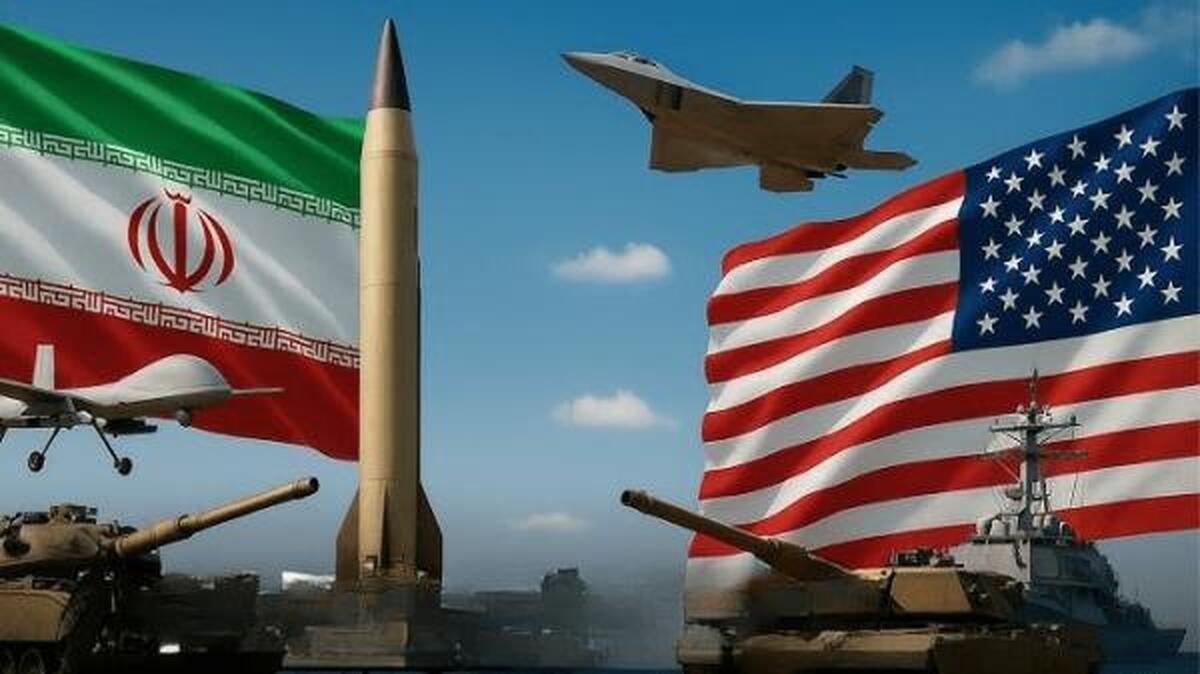


Alwaght- Escalating tensions in West Asia with the US naval amassment in the Persian Gulf and India Ocean make an eminent war highly likely, to an extent that the question of the political observers has shifted from will there be a war this year? to when will this war begin and who will fire the first shot? and will this war be short or long and wide-ranging?"
Media are rife with speculations, suggesting that the war happens in a few days or weeks or a few months at most. However, media analyses are uncertain and like any other humanitarian phenomenon war is marked by determining factors and enormous unpredictability. Meanwhile, the key factor is the unpredictable and erratic character of the US President Donald Trump who is known for making sudden, surprising decisions.
The Trump's decline to launch attacks on Iran so far does not signify he has withdrawn the plan. At minimum, the picture the White House is displaying is Trump hoping Iran to surrender without a shot and strike a deal on nuclear energy, accept dismantling its uranium enrichment capability, approve of strict limitations on the range of its missiles, and withdraw support to its regional allies for the US to refrain from a military action.
In the run-up to the US midterm congressional elections, Trump is striving to remain at the center of attention in American and international media. He aims to secure a major concession from Iran to bolster his party's electoral prospects. Meanwhile, following the failure of the internal unrest project in Iran, which Trump himself helped fuel to prevent protests from subsiding, he now seeks to project the image of a leader who follows through on his threats, does not back down from his red lines, and operates in stark contrast to the Biden and Obama administrations, whom he accuses of insufficiently supporting regime-change efforts in Iran.
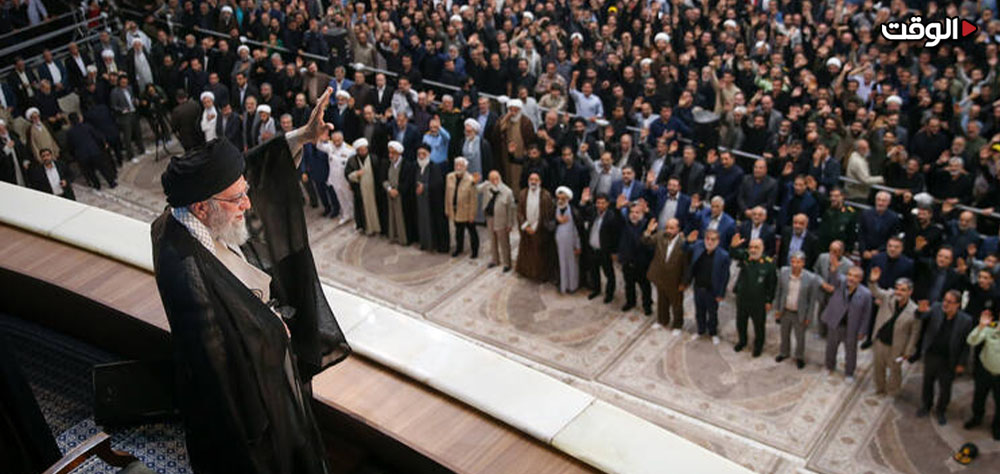
In response, Tehran, adhering to its principled policies in defense of national interests and territorial security, has drawn clear red lines regarding the terms of any agreement. Tehran has shown no willingness to capitulate to Washington's pressure and demands. According to Iranian officials, the country is fully prepared for the outbreak of conflict, with military forces poised and ready for various war scenarios.
Amid this tension lies a crucial point: Trump does not desire a prolonged, expansive, and costly war. Instead, he seeks a strong, decisive, and swift strike to achieve set objectives, similar to the attack on Iran’s nuclear facilities in the 12-day war, the abduction of Venezuela’s president, or aggression against Yemen.
The Iranian officials, aware of this American weakness, in their push to prevent the US miscalculation and to dissuade Trump from a war stress that if war is started by Trump, Netanyahu, or both, Iran will firmly defend itself and will respond like never before.
The Iranians emphasize on the fact that war will be inclusive and long and the US assets in the region and Israel's depth will be hit, something Trump is afraid of and wants to avoid in order to not repeat what he described mistakes of the previous administrations in Iraq and Afghanistan; mistakes that inflicted heavy human and material casualties and financial costs on the Americans. Assessments put the cost at $7 billion and troops lost their lives at over 7,000.
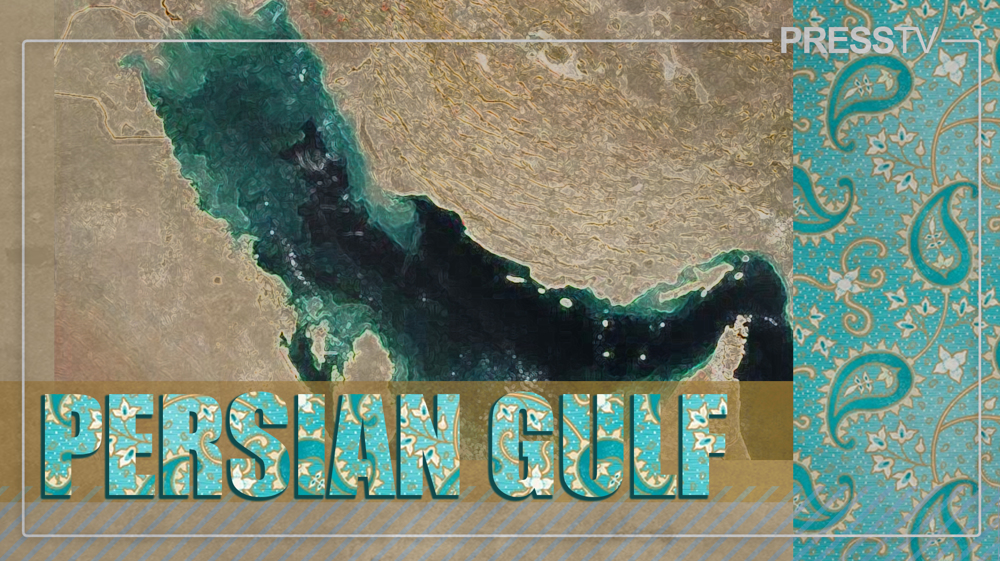
Security for all or none is a key pillar of Iran's defense strategy that disrupts the enemy's calculus. Iran sits at the heart of global east-west and north-south trade corridors, commanding a highly sensitive geopolitical position overlooking the strategic Strait of Hormuz, a vital artery for global energy transit. Destabilization from a war in this region could plunge the global economy into recession. One clear sign that any conflict would not remain contained is the stated position of Iranian military and political officials, who have declared Israeli regime as a legitimate military target. Notably, Iran rejected Netanyahu's request, reportedly mediated by Putin, to refrain from attacking Israel if a strike came solely from the US and Tel Aviv was not a participant.
Furthermore, signals of readiness from Iran's regional allies within the Axis of Resistance to open a broad, multi-front campaign against American and Israeli interests have already reached American military strategists in the region. Having learned lessons from the wave of Israeli-American military escalations following Hamas’s Operation Al-Aqsa Storm on October 7, 2023, and especially the 12-day war Israel waged against Iran last June, Tehran and its allies are preparing for the start of a prolonged war of attrition. In such a conflict, the element of surprise is almost certainly absent, as all sides are on high alert.
Although Iran highlights the element of deterrence through such measures as displaying "underground naval missile cities", delivering of new and updated drones to the army, and holding naval drills by the IRGC in the Strait of Hormuz and the Persian Gulf, it has not totally ruled out preemptive military action. Actually, the Iranian side is making the preparations for preemptive action to take should it decide the enemy is moving to take offensive actions. Even if Trump were to consider a naval blockade of Iran, akin to the Venezuela model, Tehran could preemptively put him in a strategic bind with asymmetric strikes. These actions could take various forms, from covert operations against the US fleet in regional waters to targeting American embassies and bases in neighboring countries.
Ultimately, what is unfolding on this complex geopolitical chessboard is more than a simple win or lose game. By exerting maximum pressure, Trump has essentially staked all his political capital and international credibility on the table. On the other side, Iran, relying on its formidable deterrence, strategic alliance with the Axis of Resistance, and critical geographical position, has made it clear that it will not yield to force. Instead, it stands ready to escalate the cost of any confrontation to an unimaginably high level for its adversary.
The decisive point is that war can easily erupt, but controlling it and predicting where it leads would be almost impossible. So, the fate of this confrontation will be determined not on Trump's table in the Oval Office at the White House but on the shifting sands of the coast and turbulent waters of the Persian Gulf. Therefore, this can be the last chance for the White House gambler not to open the Pandora's box of war against Iran which is a gamble over winning or losing everything.