



Alwaght- In recent years, the European Union through interventionist approaches regarding Iran has tried to blacklist Islamic Revolutionary Guard Corps (IRGC) as terrorist organization using unfounded claims. Though in various periods it backed down from this decision fearing legal, political, and security implications, finally it took this challenging path by closing its eyes on the consequences and realities.
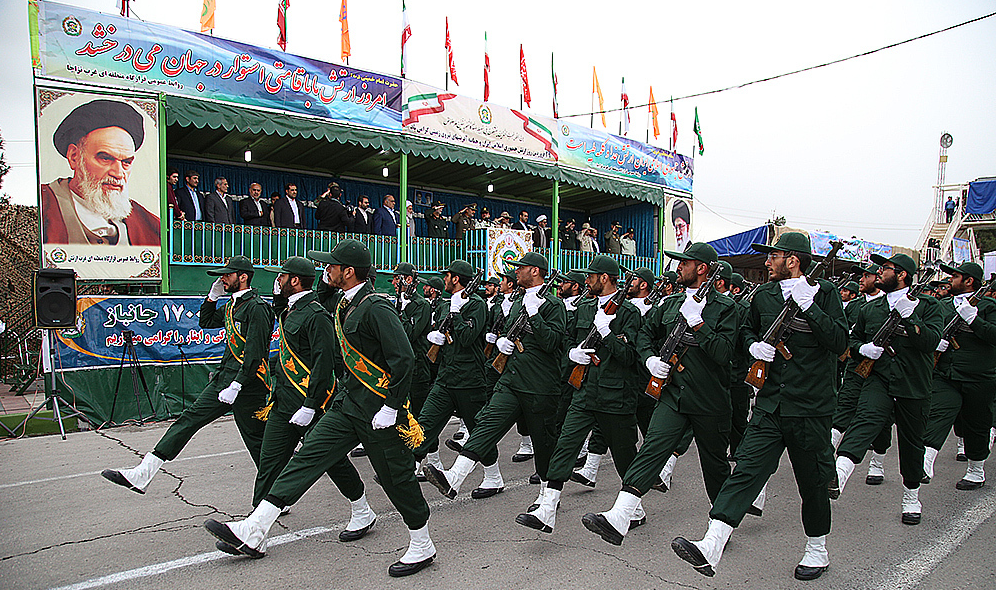
In this context, the European Union on Thursday took a political, illegal, and unjustified step by designating Iran’s Islamic Revolutionary Guard Corps (IRGC), an official branch of the country’s armed forces, as a so-called terrorist organization.
EU foreign policy chief Kaja Kallas announced that the bloc’s foreign ministers had agreed to place the IRGC on the EU’s terror list.
Kallas said the ministers had also approved new sanctions against individuals linked to Iran’s alleged military support for Russia and expanded export controls. She added that the ministers stressed Iran must release all individuals “wrongfully detained,” including EU citizens. Claiming the need for further action, Kallas said the EU should be prepared to intensify pressure on Iranian officials and continue supporting Iran’s civil society.
German Foreign Minister Johann Wadephul described the EU’s move to blacklist the IRGC as a “strong political message” to Tehran. At the same time, European Commission President Ursula von der Leyen welcomed the decision in a post on X, asserting that it should have been taken much earlier.
Observers note that in recent years, whenever unrest has occurred in Iranian cities, the EU has prioritized proposals to label the IRGC as a terrorist organization. The latest decision, taken immediately after recent disturbances, appears to be directly linked to Iran’s internal developments.
Accordingly, EU foreign ministers also imposed sanctions on Iranian individuals and entities under the pretext of alleged involvement by Iranian security institutions in the foreign-incited unrest of January 7 and 8 across Iran.Critics say the move violates established EU legal procedures and was driven purely by political motives. Under EU regulations, the bloc cannot designate an organization as terrorist without a court ruling from a member state.
The decision comes as European foreign ministers have ignored what Tehran describes as violent and inhumane attacks by affiliates of Israel’s Mossad intelligence service against Iranian security forces and civilians during protests recognized by the government.
It is worth noting that, as in previous years, whenever unrest has erupted in Iran, EU officials have placed the option of labeling the IRGC as a terrorist organization at the top of their agenda, suggesting that the latest move, taken immediately after the recent unrest, is closely tied to Iran’s domestic situation.
Reactions to the EU hostile move
Tehran had several times warned about any European moves against Iran, against the IRGC in particular. The Iranian officials had asserted that any illegal actions against Iran's official armed forces are a clear violation of the UN Charter.
Iran's Foreign Minister Abbas Araghchi lashed out at Brussels for labeling the IRGC a terrorist organization, saying in an X message: " At present, several countries are working to prevent the outbreak of a full-scale war in the region. Notably, none of them are European. Instead, Europe is actively fueling the crisis. After pursuing the so-called “snapback” mechanism at the request of the United States, it has now committed another major strategic error by placing our armed forces on a so-called terrorist list.
Also, Iranian Foreign Ministry spokesperson Esmail Baghaei commented on the issue, saying: “Labeling a component of a country’s official armed forces as terrorist not only violates the fundamental principles of international law, but is also highly reckless and fraught with serious political and logical consequences.”
In a separate statement, Iran’s General Staff of the Armed Forces responded to the designation of the Islamic Revolutionary Guard Corps as a terrorist organization, stressing that “the consequences of this action will fall directly on European politicians.”
Blacklisting the IRGC a dangerous precedent
Since the IRGC is the main part of the Iranian armed forces, the analysts warn, the move against it is dangerous to the world peace. In this connection, West Asia affairs expert Hassan Hanizadeh told Alwaght: "The European Union’s move is widely seen as part of a broader campaign of pressure and narrative-building against Iran. Labeling the IRGC, a force described as rooted in popular support, as a terrorist organization amounts to an act of political vindictiveness by Europe toward Muslim nations, a step that could ultimately endanger global peace. Such a designation underscores what critics describe as the West’s double standards in defining terrorism.
Hanizadeh stressed that the IRGC bear no resemblance to terrorist groups and has, in fact, stood on the front lines of the fight against terrorism. “Over the past 47 years, the IRGC has consistently defended public security, paid a heavy price in confronting terrorist groups across the region, and sacrificed thousands of martyrs in the process, ultimately succeeding in dismantling these networks,” he said.
He added that terrorist groups backed by Israeli–Western axis sought to undermine security in Iran and neighboring countries through the use of takfiri militias, but the IRGC prevented those actors from carrying out what he called their malicious agendas. “For this reason,” Hanizadeh said, “placing the IRGC on a terrorist list constitutes a dangerous precedent in international relations, particularly given that many of these terrorist groups were organized and supported by Europe and the United States, while the IRGC fought them to ensure peace and security for the region and the world.”
The West Asian affairs expert further said that the EU is not in a position to blacklist a deep-rooted and popular force as a terror organization, adding: " Having in mind that the Guards Corps are of high popularity in Iran and across the Muslim nations, the move can draw reciprocal measures from the Muslim nations. After recent unrest in Iran, the Europeans over and over released anti-Iranian statements and took hostile actions against our country, showing that Europe is interfering in regional affairs beyond its regional weight."
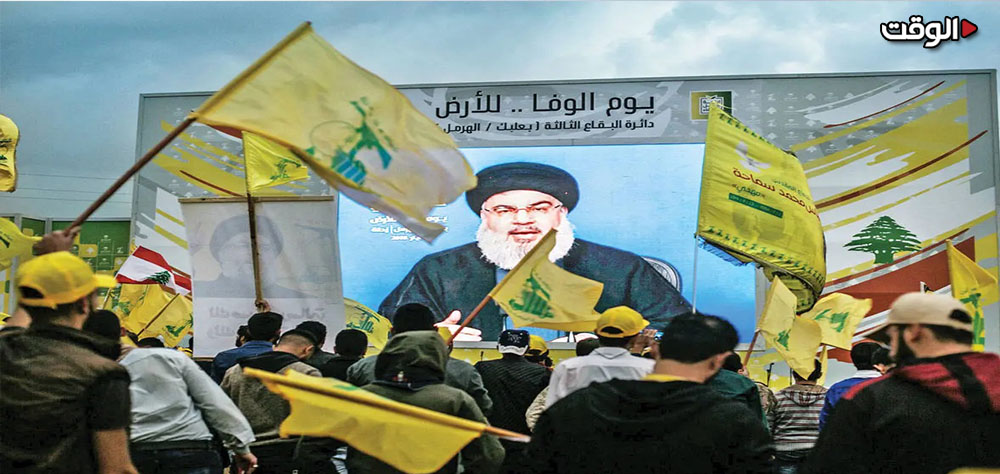
Asked about the consequences for Europe, Hanizadeh said that:" There is no doubt that Europe’s move will trigger reactions across the region. Resistance groups have already begun mobilizing, including Al-Nujaba Movement and Hezbollah Iraq, while popular forces in other regional countries have also shown signs of response. As a result, this decision could jeopardize the security of Europeans present in the region. Designating the IRGC as a terrorist organization will set off a wave of reactions, and those reactions are likely to materialize on the ground."
Hanizadeh stressed that the European Union’s action appears to have been taken under direct pressure from the US, warning that the decision could ultimately put the EU’s own political, security, and economic interests in the region at serious risk. Rather than isolating the IRGC, he said, Europe risks isolating itself. The move will fuel global anger and resentment, and even European publics are likely to react against it. Consequently, Europe’s decision will make it more difficult to contain public sentiment among Muslims in the region and will generate negative repercussions for Europeans themselves.
Meanwhile, Iraqi resistance groups have warned in recent days that if the Washington and its allies take any action against Iran, they are ready to defend the Islamic Republic and the Iranian nation with all their strength. Therefore, this controversial EU decision will not help reduce tensions; instead, it will intensify political and security pressure on Europeans, effectively adding fuel to the fire of regional confrontation.
Iran has multiple choices to respond
Highlighting the fact that the move is a clear violation of the international laws and principles, Hanizadeh said that Iran has the capacity to blacklist the security organizations or military entities of European countries. The main aim of this move by the Europeans is to cause confrontation between the Muslims and Europeans and can pave the way for escalation of tensions and even broader East-West confrontation. Though Iran principally places no serious significance upon this move by Europe, it holds reciprocal measures that can use of the need arises.
Given Europe's massive economic interests in West Asia and its considerable dependence on the region's oil, any political adventures in the region can bear heavy consequences for the Europeans. Such moves, mainly taken in line with the American war-like policies, jeopardize European energy stability and security.
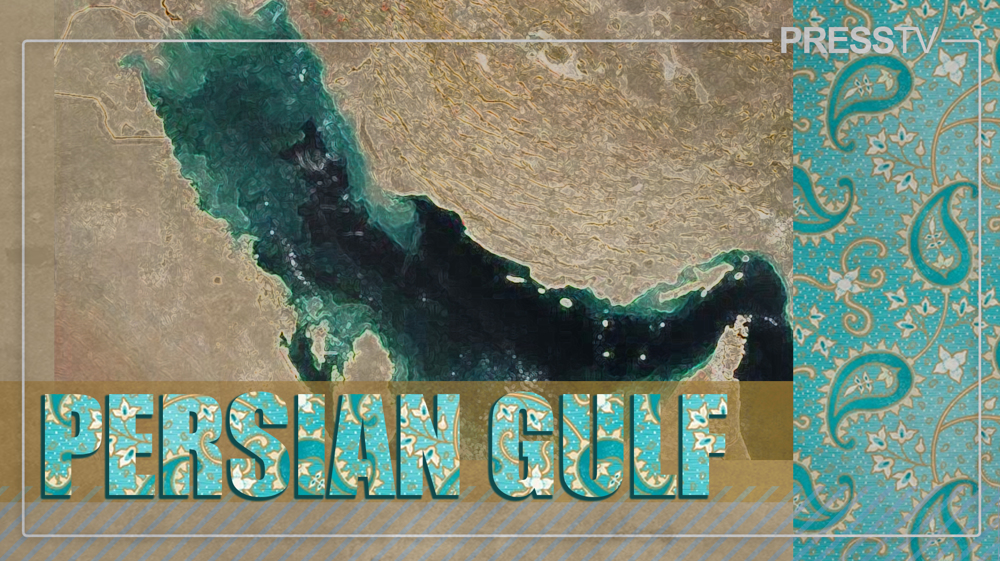
Iran's armed forces, especially the IRGC, have always played a key role in safeguarding energy flow from the Persian Gulf, otherwise, oil tankers headed to Europe could come under terrorist or pirate attacks. So, escalating tensions against Tehran at a time there is already a possibility of Iran-US clash, can put Europe in a costly position.