
















Alwaght- In recent days, Saudi Arabia has stepped up its work to prepare for a meeting set to host major Yemeni factions including the recently dissolved Southern Transitional Council (STC), Hadhramaut and Al-Mahrah tribes, Aden elites, and the elements of Presidential Leadership Council (PLC) in Riyadh. Arrangement of such a political event comes against the backdrop of rising disputes between former allies Saudi and the UAE over influence and power distribution in southern Yemen. Many agree this meeting signals a strategic shift. It is less a search for peace and more a project to redraw southern Yemen’s political equations; one that fully centers Riyadh while sidelining Abu Dhabi’s pivotal role.
Making military ground before talks
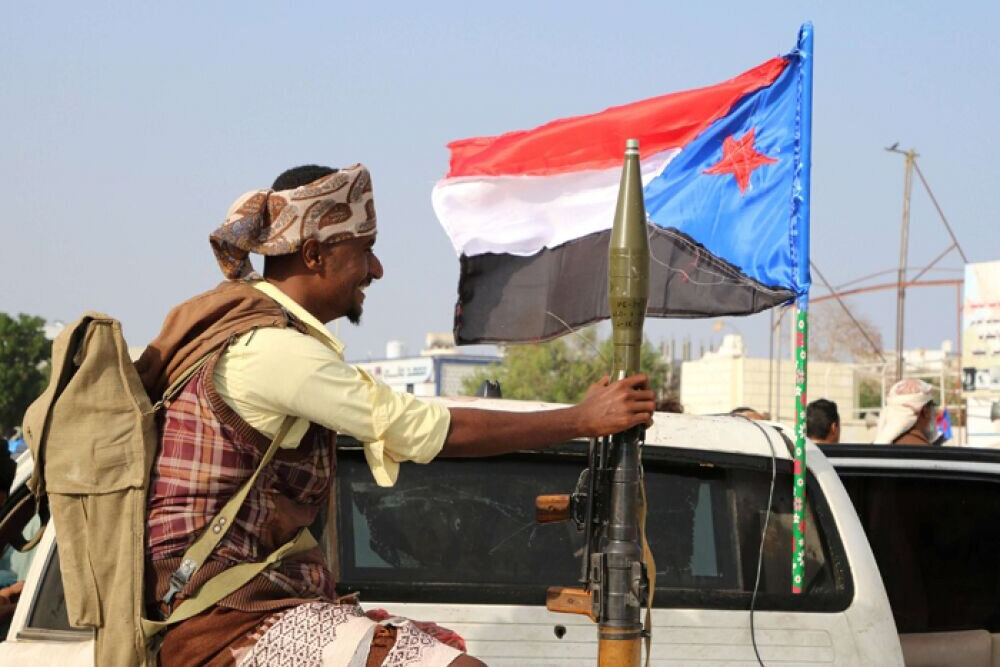
The Riyadh summit is following an important military development. Over the past few weeks, the Saudi-backed forces launched heavy attacks on the positions of the STC forces and the Hadhrami Elite Forces, who are supported militarily and logistically by the UAE, in Hadhramaut, Shabwa, abd Al-Mahrah. The aim of the campaign was to push back these forces, and particularly end the direct presence and military presence of the UAE in the regions. This military push was Riyadh’s winning card for entering the negotiation with a dominant position. Planning the political meeting immediately after the military strikes made it a clear display of the impact of military power on diplomacy. It sent a clear messsge: Riyadh holds the initiative in southern Yemen.
Nature of meeting: Political engineering, not peace talks
The core analytical lens for this event is the distinction between dialogue for peace and political engineering. Evidence suggests this meeting is driven primarily by the latter.
The Telling absence of Abu Dhabi: The UAE, the primary financial and political backer of the STC and many local forces in Hadhramaut, holds no active or hosting role in these talks. This omission speaks volumes about a shifting balance of power.
Top-Down engineering: The Arab kingdom is hosting and choreographing this gathering. By assembling a broad array of southern factions beyond the STC, Riyadh aims to forge an alternative or parallel coalition whose loyalty aligns more with Saudi Arabia than with Abu Dhabi.
Breaking the monopoly on representation: A clear objective is shattering the STC's monopoly as the self-proclaimed exclusive representative of southern Yemenis. By amplifying the voices of tribes from Hadhramaut and Al-Mahra, which are long wary of Aden-centric dominance, and other groups, Riyadh is recalibrating the internal power balance within the southern bloc.
Riyadh’s strategic goals
This politico-military maneuver seeks three major strategic aims:
1. Containing UAE-supported separatism project: Saudi Arabia has concluded that a fully independent southern Yemen, led by the STC, which has effectively become a tool of Emirati influence, poses a serious long-term security threat. This calculation rests on three key pillars:
Borders: Saudi Arabia shares a long land border with southern Yemen. A weak state there, dependent on a regional rival (the UAE) or susceptible to radical elements, represents a direct threat to the security of the Kingdom's southern borders.
Energy resources: Yemen's significant oil and gas reserves lie primarily in its southern regions, like Hadramawt. Riyadh views control—or at least friendly neutrality—over these resources as a vital national interest.
Ports and sea lanes: The strategic position of southern Yemeni ports, such as Aden, Al-Mukalla, and Nishtun, along the Arabian Sea and near the Bab-el-Mandeb Strait directly impacts Saudi Arabia's maritime and commercial security. Riyadh is determined to prevent its rival from controlling these critical checkpoints.
2. Redefining representation of the south in the future national dialogue: Riyadh is playing a longer game. Any final political dialogue to end Yemen's war will require designated representatives for both the north and the south. The kingdom is determined to ensure the southern side at that table is represented by figures who prioritize Saudi, not Emirati, interests. By amplifying rival factions and diluting the STC's monopoly, Riyadh is building a coalition ready to be advertised as the "legitimate southern representatives", and Saudi Arabia's preferred partners, when those decisive talks begin.
3. Sending messages to Ansarullah: This expected summit also sends a powerful diplomatic message to the main opposing force in Sana'a—the Ansarullah Movement, which has been holding the north since 2014. The signal is clear: Riyadh, not Abu Dhabi, now manages southern Yemen's trajectory. It tells Ansarullah that if it intends to negotiate the future of southern Yemen or agree on a federal governance model, their southern counterpart will be forces backed and swayed by Saudi Arabia. This move could pave the way for future direct or indirect talks between Riyadh and Sana'a over Yemen's political framework, with the UAE devoid of a determining role.
Conclusion and outlook
Riyadh meeting should be seen a turning point in competition of two former anti-Ansarallah allies. Riyadh, combining military power and diplomacy, is changing the rules of game in the south. This move suggests the Saudis are fed up with the UAE's parallel project in the south and their effort to unite their aligned front before entry to a any serious negotiations on Yemen future.
But some challenges are foreseen in the outlook of these Saudi measures:
UAE’s reaction: Abu Dhabi is not expected to simply forsake its economic, security, abd political interests on southern Yemen’s coasts. It may embark on more intensive proxy competitions or reciprocal political maneuvers.
Southerners' historical distrust in Saudi Arabia: Given the historical context of deep-seated divisions among southern forces, Riyadh's project to unify the more independence-leaning Hadhrami and Islah tribes with the Aden-based elite and the STC under a single banner is undoubtedly a formidable and high-stakes job. The profound history of internal southern discord bears witness to this immense challenge.
All in all, with these measures, Saudi Arabia is not eyeing a settlement to Yemen crisis, but is pushing to solidify its hegemony in Yemen against that of its rival the UAE and shape its favorable security order in the neighboring country. Success or failure of this project will substantially influence designing the future Yemeni political map. Still, these talks and meeting are not a sign of Riyadh’s power, but its weakness as they prove it can no longer run south using force and so it has resorted to costly and time-taking political engineering, something signifying a strategic erosion.










