

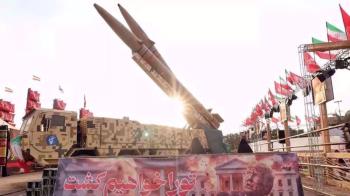













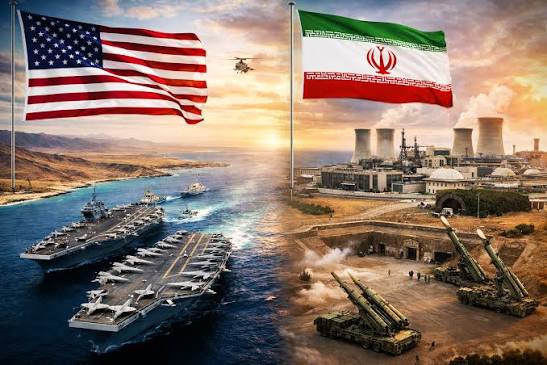


ALWAGHT- The past 72 hours have seen escalating exchanges between Iran and the United States, a growing military presence in the Persian Gulf, rising oil prices, and heightened concerns over the Strait of Hormuz and the Bab el-Mandeb Strait. Together, these developments have revived a key question: Is another war looming, or is the region transitioning into a new phase of deterrence and geopolitical rivalry?
Security tensions in the Persian Gulf have intensified over the past 72 hours, with reciprocal strikes between Iran and the United States, increased military deployments, rising oil prices, and growing concerns over the Strait of Hormuz and the Bab el-Mandeb Strait fueling fears of a broader regional crisis. The analysis argues that the confrontation is evolving beyond isolated military exchanges into a struggle over the future security architecture of West Asia and global energy routes.
The report contends that Washington's strategy of using military pressure to secure political gains has faced setbacks, while Iran is seeking to strengthen its deterrence by emphasizing its role in managing the Strait of Hormuz. It also highlights Yemen's Ansarullah movement as a key factor, warning that simultaneous disruptions in Hormuz and the Bab el-Mandeb Strait could have far-reaching consequences for global energy markets, shipping, and the world economy.
According to the analysis, major powers and regional states are balancing competing interests. China favors stability in energy and trade routes, Russia seeks to avoid direct involvement despite benefiting from pressure on the United States, and Arab Gulf states are attempting to preserve both their security partnerships and their economic interests. At the same time, Washington faces growing constraints as military options compete with concerns over economic costs and the risk of a wider conflict.
There are three possible scenarios: the continuation of a prolonged "no war, no peace" standoff; an unintended escalation triggered by a strategic miscalculation; or a broader political understanding based on new regional realities. It concludes that the central contest is no longer limited to military exchanges but centers on control over strategic waterways, energy geopolitics, and the future regional security order.










