











Alwaght- During decades of struggle, displacement, blockade, and war, the Palestinians sought the return of the displaced, self-determination right, and formation of an independent state. This ideal holds a place in the public conscience of Arab and Muslim nations that transcends geographic borders, and support for it has long served as a yardstick for measuring the sincerity of regional governments on the Palestinian question.
Yet, the record of several Arab governments in recent years has laid bare a serious gap between the rhetoric of support for Palestine and their actual political and security ties.
Even as the Palestinian people face unrelenting Israeli occupation and aggression, some Arab states, rather than deploying their political, economic and security leverage against the Israeli regime, have chosen the path of normalization and cooperation with Tel Aviv, a course that has effectively weakened the pro-Palestine front.
Israeli officials admit relations with Israeli occupation
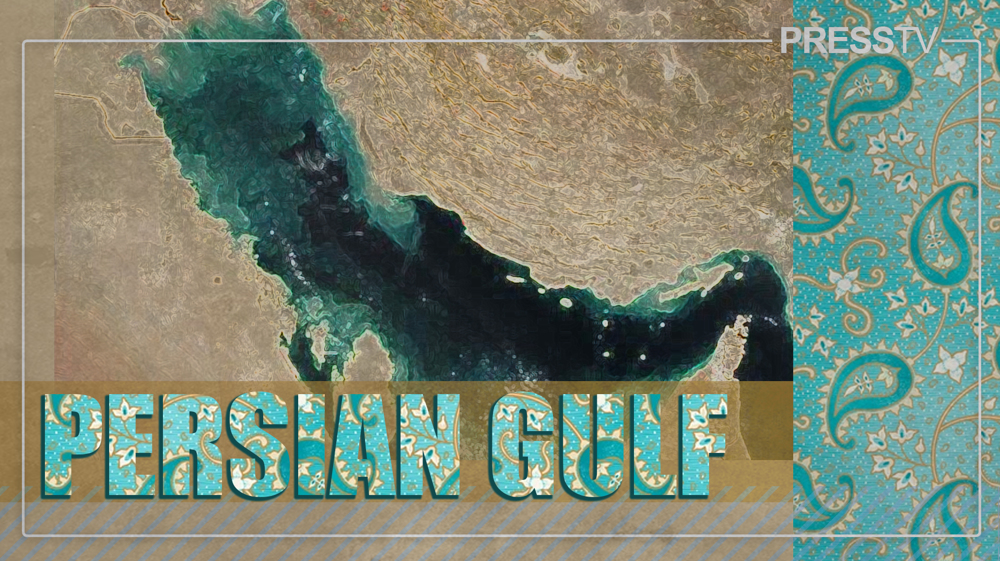
In the latest revelation of the scope of ties between Arab leaders and the Israeli occupiers, former Qatari prime minister Hamad bin Jassim Al Thani has acknowledged that security relations exist between all Persian Gulfarab monarchies and the Israeli regime. In a video interview, he stated plainly that contacts between Israel and every Persian Gulf country, particularly at the security level, have long been in place and are no secret.
The remarks come as some Arab governments continue to stress their official commitment to Palestinian rights, even as their security ties with a regime that presses on with its occupation of Palestinian land paint a very different picture of their real policies.
The former Qatari PM also pointed to Doha's own history with Israel, saying Doha was among the first countries to open an Israeli trade office before the normalization agreements, an office that was shut after the Gaza war.
The admission makes clear that ties with Tel Aviv are not confined to the governments that signed formal normalization deals, and that security relations have carried on in the absence of open diplomatic channels.
Israeli project to dominate the region
The former Qatari prime minister pointed in another part of his remarks to Israel's strategic objectives, stating bluntly that once the current tensions subside, Israel aims to seize control of and organize regional security, a project that, if realized, would extend Tel Aviv's dominance beyond the occupied territories.
In other words, the issue is not merely preserving the occupiers' military edge over the Palestinians or neighboring states; Tel Aviv seeks to convert military and security power into the decisive instrument for shaping regional order, a prospect that should set off alarm bells for every country in the region.
Bin Jassim also expressed doubt that this scenario could be fully realized, but the very fact that a former senior Qatari official raises it shows that Israel's expansionist ambitions are understood among Arab leaders as well, even though many of them, despite recognizing the threat, are not seeking to neutralize it.
At the same time, the covert security cooperation of some Arab states with Tel Aviv could help pave the way for deeper Israeli penetration of regional security structures, especially since such cooperation is often conducted without public knowledge and outside any framework of political accountability.
Arabs' secret ties with Israel an obstacle to liberation of Palestine
The reality is that one of the key obstacles to realizing the goal of liberation of Palestine is the gap between the will of Arab publics and the policies of some regional governments. While public opinion across much of the Arab world remains opposed to Israeli occupation and regards support for Palestine as a humanitarian, Islamic and Arab duty, their governments' security and political ties with Tel Aviv can undercut the capacity for collective pressure on the Israeli regime. When Israel enjoys the security cooperation of regional states, it lowers the cost of its own regional isolation and gains more room to advance its military and political objectives.
On the other hand, absence of a united and effective Arab and Islamic camp leaves the hands of Tel Aviv open for advancing its expansionist policies. So, the admission by the former Qatari politician is not just a revelation of a reality about the behind-the-scenes security ties of Persian Arab states with Tel Aviv, but reveals a paradox which is that the countries that in their official standings talk about support to the Palestinian cause secretly cooperate with a regime that is itself the main cause of occupation and instability in the region. As long as this duality persists in the Arab policy, rise of a united and powerful front for liberation of Palestine will face serious barriers.