














Alwaght- Over six months after start of the US-Israeli war of aggression on Iran, there are growing signs of a gap between the White House's official narrative of the war achievements and the reality of the fatal blow Washington has received from Iran.
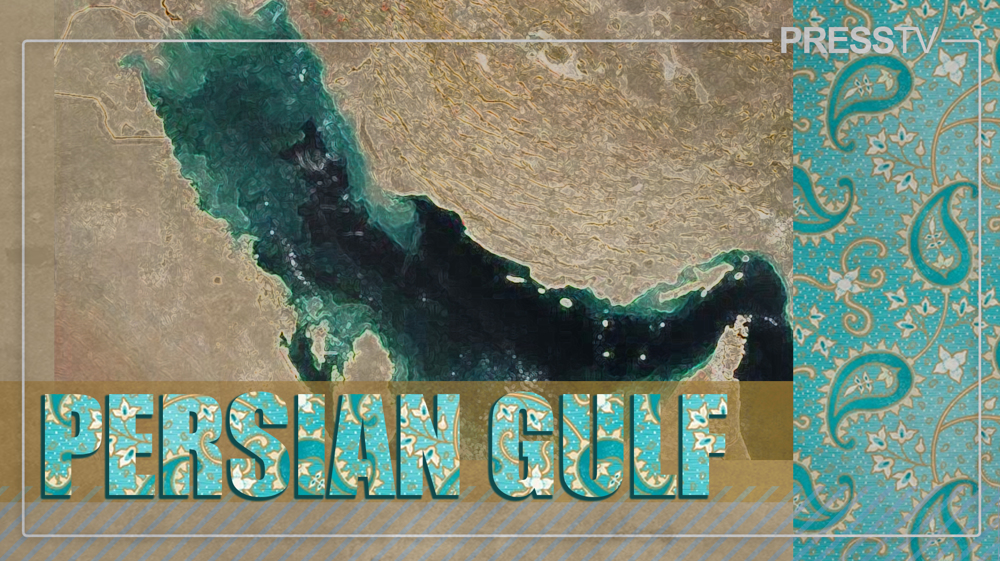
While the US President Donald Trump still insists on what he calls military gains in the conflict and even threatens with renewed strikes to "finish the job", the publication of the new round of documents about Pentagon's cover-up on the number of casualties in the Iranian missile strikes on the American bases in the Persian Gulf and also limitation of the Congress access to these military infrastructures amid heightened pressures on the media for censorship have promoted a question: How much is Washington worried about huge consequences of any new military adventure against Iran and the influence of the public awareness of the this reality which can make the midterm elections a failure story for the Republicans?
Fear of revelation on the true aspects of war
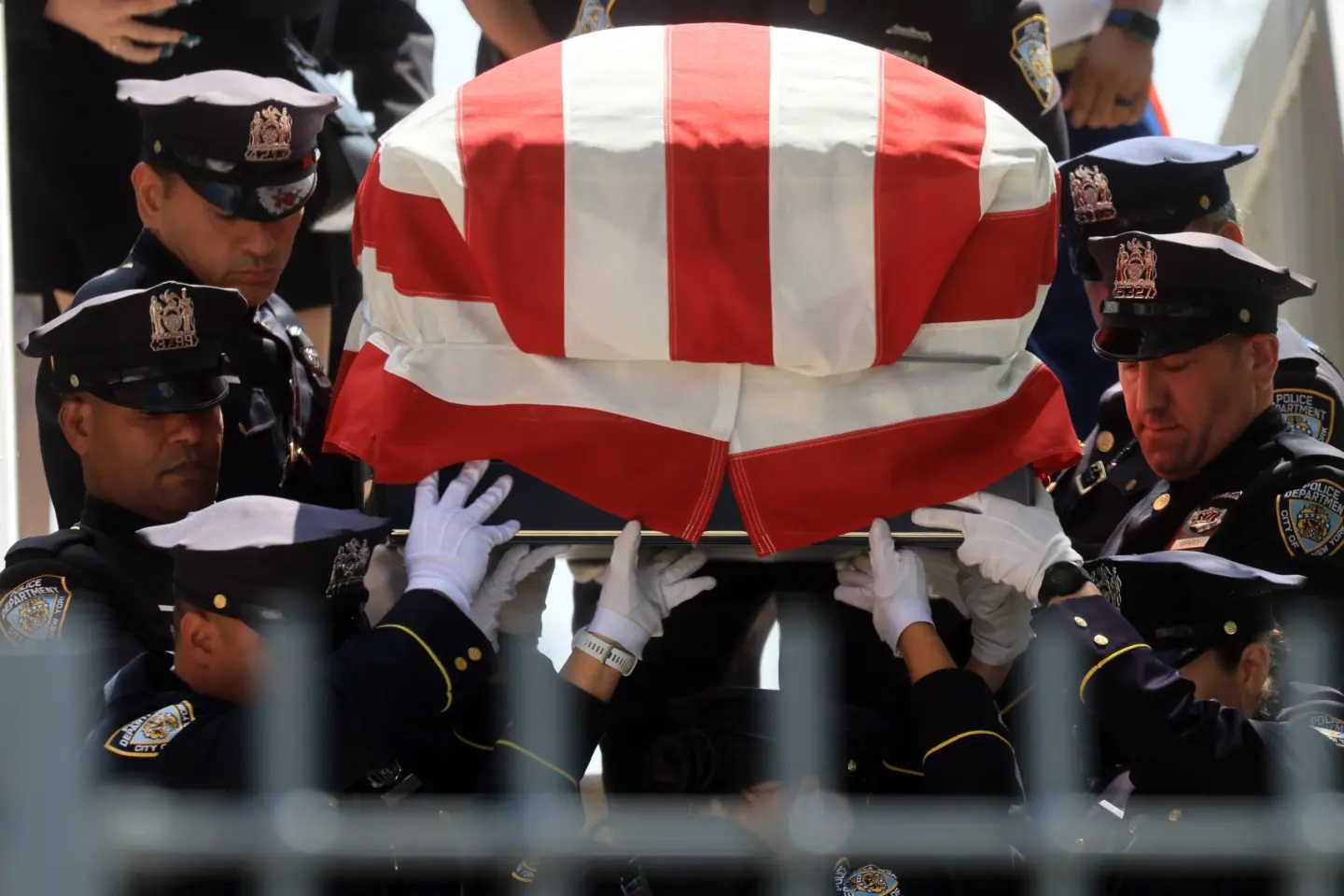
One of the clearest signs of this state of affairs is the fight over the casualty figures for American troops. In its latest database update, the Pentagon put the death toll from operations against Iran at 21 and said 865 US service members have been wounded since the war began. Even so, doubts remain widespread in the media and among American politicians about how the Defense Department is reporting those numbers.
The Washington Post previously reported, citing six US officials, that the true death toll may be higher than what is logged in the Pentagon’s public database. Defense Secretary Pete Hegseth rejected that report. But the temporary removal of several killed service members’ names from the official system, and their later restoration, has once again thrust the question of the Pentagon’s statistical transparency into the spotlight.
The point is not simply a dispute over a few numbers. When a government leans on military superiority and operational success to justify a war, keeping the true scale of human and military losses under wraps can paint a very different picture of how the conflict is actually going. That is why the question of how many have been killed and wounded has become a question about the credibility of Washington’s official narrative of the war.
Trump vs. Congress
The dispute has now spilled into relations between the administration and Congress. A number of American lawmakers, including some Republicans close to Trump, are demanding more precise information about the war’s costs, military strategy and casualty figures. Yet Pentagon briefings have not only failed to ease those concerns, in some cases, they have widened the rift between the two sides.
Senator Chris Murphy, a Connecticut Democrat on the Senate Foreign Relations Committee, said during a trip to the region that the Pentagon had blocked his access to Al Udeid airbase in Qatar and refused to hold a briefing on the war. He described those moves as part of the administration’s effort to keep Congress and the public at arm’s length from the war’s real consequences.
The stakes are heightened by the fact that Al Udeid, the largest US air base in the region, came under attack during the war with Iran.
The senator also acknowledged that Murphy said he had witnessed “extensive damage” to the US embassy in Riyadh from Iranian drone strikes, and pointedly called American bases “safe havens for Iranians” that “don’t protect us,” because the US was forced to withdraw from them as soon as the war with Iran began. He argued that the war should push the US to reassess and scale back its presence in the region. This, once again, proves that Washington’s move to pull its forces out of Iraq came not under an agreement with Baghdad but out of fear of Iran’s military power and an admission of defeat in its strategy of military presence in the region as a result of the 40-day war.
Critics say the tightening of full access to information is a calculated political strategy to conceal military defeat in the war.
In that connection, Leon Panetta, a former defense secretary and CIA director, told The Guardian that the Pentagon has taken a “shameful” approach to releasing information about American casualties in the Iran war. According to him, the Defense Department has not held a news conference in months, and its officials are engaged in a cover-up to hide the war’s true cost, fearing public backlash ahead of November’s midterm elections.
These developments show that the cost of the war with Iran is gradually moving beyond military budgets and battlefield losses to become a subject of contention over executive power, Congress’s right of oversight and political accountability.
Pentagon's doors closed to press
Restrictions on media is another branch of this process. According to reports, over the past months, the Pentagon has restricted access of the journalists to some parts of the building of the Department of War, announced tighter rules on their movement, and blocked publication of information not verified by the War Secretary.
After the new rules were imposed, a number of mainstream American news outlets refused to accept the new terms and gave up their access to the Pentagon. At the same time, the Department of War has come under mounting criticism over how it releases information about casualties and damage.
In the early months, the War Department threw major outlets, including The New York Times, NPR and Politico, out of its press briefings and replaced them with Trump-friendly outlets such as Breitbart, One America News Network and the New York Post. In May, it imposed restrictions on journalists’ free movement through most of the Pentagon building.
In October, many news organizations walked out of the Pentagon after balking at a new rule, crafted by Pete Hegseth, requiring them to pledge not to publish classified or otherwise sensitive material. In December, the department held a three-day event to showcase approved media organizations, including pro-Trump podcasters and influencers.
Media say the current opacity is especially jarring when set against the administration’s earlier posture: in the opening days of the Iran war, Hegseth was omnipresent, delivering detailed briefings in which he spoke of annihilating Iran’s military with “ruthlessness” and restoring America as a nation of “real warriors.” But as questions about casualties and damage mounted, independent access to information has been narrowed further.
A war whose costs are now being borne by the Americans
The political aspects of this situation get clearer when we consider the economic consequences of war. The anti-Iranian campaign is highly detested by the American public since by pushing the gasoline prices up it has directly impacted the daily life of citizens.
Even Trump’s popularity has sunk to the lowest level of any sitting presidency as a result of the war, to the point that he is now being compared to Nixon in his final days. Under such conditions, releasing more precise figures on military casualties and damage to American facilities could deepen public discontent with the war.
For the Trump administration, the issue is not just defending the military’s performance; it is preserving the claim that the war with Iran delivered gains commensurate with its costs. The more questions mount about the number of wounded, damage to military bases and the financial price of operations, the harder it becomes to explain why the war should continue.
It is in that context that Sen. Murphy has called on Democrats not to approve the Defense Department budget and the National Defense Authorization Act next year without explicit conditions for ending the war. He has also raised the prospect of broader investigations into the administration’s conduct. Such positions show that the war’s fallout could become a central front in the political battle in Congress.
In general, the wider the gap grows between Washington’s official narrative and the information available about the war, the more the issue will move beyond news management and become a challenge to the administration’s political credibility. A war that was supposed to cement US standing through a display of military power is now shifting into an image of outright defeat, and that is raising questions about costs, gains and the responsibility of decision-makers, questions that could intensify pressure on the White House as the midterm elections draw closer.