












Alwaght- After months, the Israeli-Lebanese talks are still in a deadlock, one that even Lebanese leaders, who started their government with zeal to negotiate, stress. The framework that was supposed to see the Israeli occupation forces moving out of the country after implementing the bilateral commitments has practically been on hold for months over dispute on acting on the obligations and continued Israeli aggression.
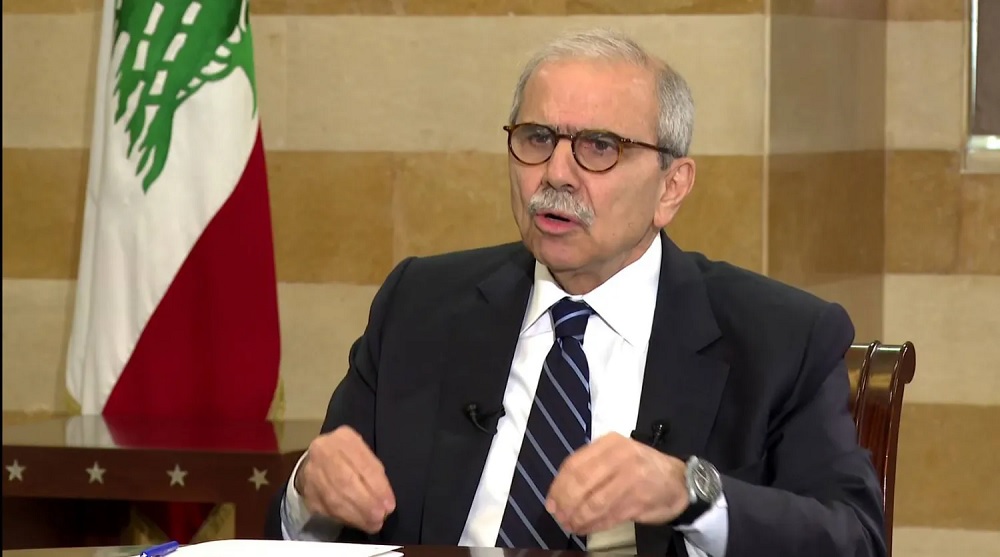
The Lebanese PM Nawaf Salam in a recent meeting with the US Secretary of State Marco Rubio called for a transparent timetable for implementing the deal for withdrawal of the occupiers. He stressed that the obligations must be carried out "reciprocally" and "in phases," with Israel's full withdrawal from Lebanese territory proceeding in tandem with the expansion of the Lebanese state's control and sovereignty.
The stance comes as previous talks have likewise failed to produce any tangible results, and a seventh round of negotiations ended without agreement on the core territorial issues. The next round has been pushed back to October.
What is the problem?
The current dispute currently is about the order of implementation of obligations. Beirut wants the Israeli withdrawal and implementing the deal go together, while the implementation of the US-backed framework has effectively stalled amid disagreement over the sequencing of the steps.
On the other hand, while the talks have been ongoing, the Israeli attacks and expansion have not stopped in southern Lebanon. Recent reports talk about airstrikes, artillery shelling, and destruction of civilian infrastructure in the south, the bastion of Hezbollah resistance movement. This has highlighted the gap between diplomatic promises and the reality on the ground.
The Israeli occupation forces, reports Reuters, still occupy parts of southern Lebanon and their elite units have established a buffer zone deep into Lebanese territory. In such conditions, continuing the talks without tangible progress in ensuring the Israeli withdrawal has caused political complexities to the Lebanese government.
Why has Beirut's standing shifted?
The signs are unmistakable and Beirut's frustration with the US-brokered implementation process is mounting. Lebanon's PM told the UN General Assembly that Tel Aviv must honor its commitments to end its occupation of southern Lebanon.
The Lebanese government, in effect, now confronts a reality on the ground, and it knows that talks have so far failed to force Tel Aviv into a full withdrawal from the occupied Lebanese areas. Even after Salam's meeting with Rubio in Washington, the PM stressed the need for a credible mechanism to monitor compliance with the obligations, a demand that lays bare Beirut's worry that both Tel Aviv and Washington will fail to follow through.
What is emerging, in effect, is a deepening Lebanese doubt about the viability of the American and Israeli diplomatic track.
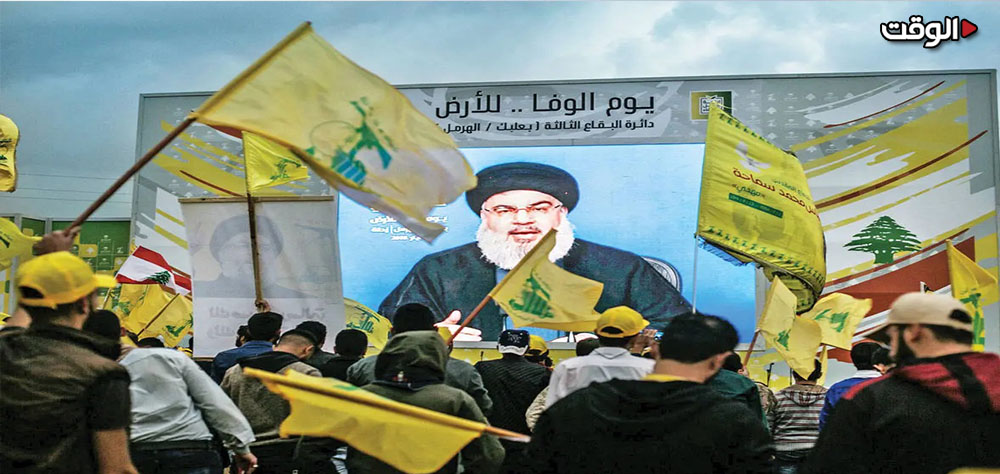
That has led the Lebanese government these days to recognize, more than ever, the legitimacy of Hezbollah's role in Lebanon's security calculus. Hezbollah had opposed the talks with Tel Aviv from the outset, insisting that continued resistance in southern Lebanon was the only way to drive out the occupiers.
Is the US a mediator or part of equation?
Washington's continued backing of the Israelis has cast broad doubt on the American role as a mediator in Lebanon case. The core problem for Beirut, in effect, is that US political support for Tel Aviv has yet to translate into a full withdrawal of the occupiers from Lebanese soil. That is why the Lebanese government is insisting on a "mutual exchange of obligations," a firm timetable and a mechanism to monitor implementation, yet despite those demands, the Israelis still hold parts of southern Lebanon.
Shift of Lebanese government
Meanwhile, some observers believe that the noticeable shift in Beirut government's stances should be read more than anything as a reaction to the gap between diplomatic promises and the battleground developments, since it has become clear enough for the government that the US mediation alone does not ensure implementation of the deal and that generally Washington itself is part of the current complicated equation rather than a mediator.
The current deadlock, by the same token, carries an important message for Lebanon's political calculus. It is that a withdrawal without a timetable will go nowhere. That may be why we no longer see Salam taking tough positions against the resistance as he once did. In Salam's recent remarks after meeting Rubio, he did not speak of "disarming Hezbollah" and he stressed extending the state's sovereignty instead. And so, given that talks have failed to deliver an Israeli withdrawal, the Lebanese government now presses Tel Aviv to honor its commitments and pull out of southern Lebanon rather than taking aim at the Lebanese resistance, a position that overlaps considerably with Hezbollah's own argument.