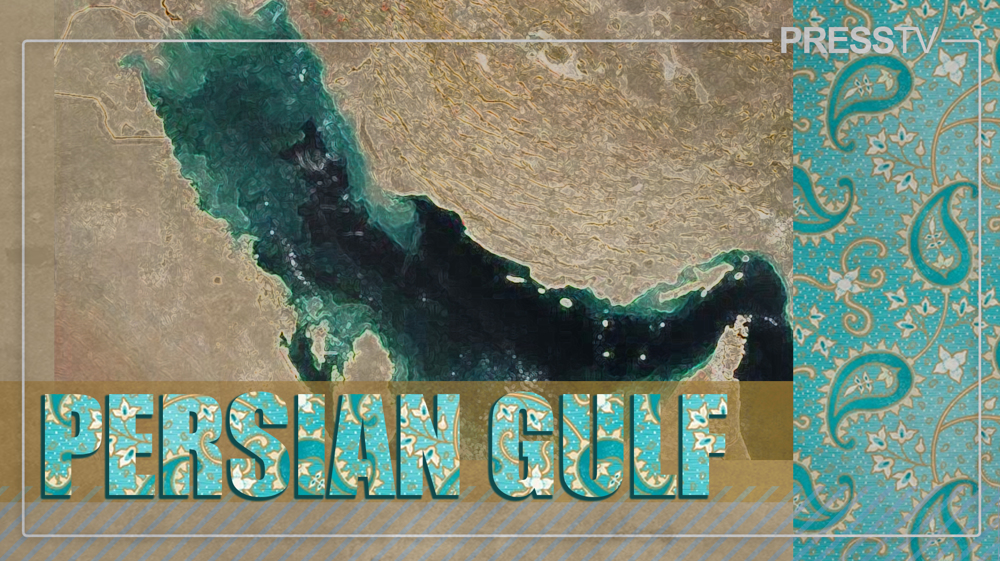







Alwaght- The latest remarks of the secretary-general of Iran's Supreme National Security Council General Mohsen Rezaei about setting a new "prohibited zone" around the Strait of Hormuz is a significant signal of shift in Tehran's approach to managing the Persian Gulf crisis. This shift demonstrates that Iran is no longer on a defensive mode in dealing with the US pressure and sea blockade and that now it sets new rules for the navigation in the region.
Iran will designate a new no-go zone outside the Strait of Hormuz in the coming days and weeks, General Rezaei announced on Tuesday, warning that any vessels entering the area will face restrictions and punishment. The new zone will expand to the US blockade line. At the same time, Tehran is set to unveil a map for an alternative international shipping route through the strategic waterway.
Analysts see the move as a calculated bid by Iran to fundamentally reframe the Hormuz equation, shifting the narrative from an American-imposed blockade of Iran to a reciprocal, high-cost contest over control of the region’s maritime chokepoints. The message, they say, is unmistakable: any effort to squeeze Iran’s oil exports and seaborne trade will not come without a price for the other side.
New red line in Hormuz
A new prohibited zone must be seen as part of Iran's effort to set a control belt around Strait of Hormuz. This move is not just a political warning, but if implemented, it will mean that Tehran can set specific rules for sea transit in an area beyond the strait.
Reuters reported that the proposed zone will start from the US blockade point and the tresspassing vessels will face Iranian restrictions and actions. Tehran has recently talked to Muscat about a new shipping corridor.
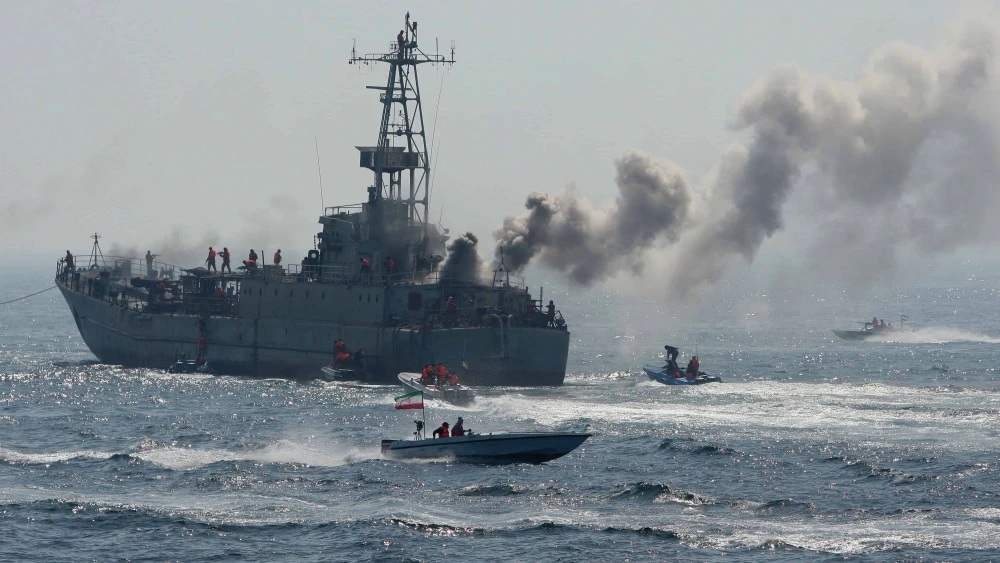
Strategically, the shift carries enormous weight. Iran is moving to transform its military presence in the Strait of Hormuz into a regulatory lever over all maritime traffic, not merely a reactive force that responds to American warships or oil tankers, but a proactive arbiter of which vessels may pass, through which lanes, and under what terms. This means, Tehran is fusing its geographic stranglehold on the waterway with its military capabilities.
Sealing ways enabling circumvention of Iran's pressure on oil flow
But Tehran's ambition extends far beyond American warships. At the heart of this strategy lies the oil war, and Iran's determination to prevent any end-run around its own restrictions.
In recent months, the US blockade and economic pressure on Iranian oil exports have become central pillars of the broader campaign against the Islamic Republic. Tehran's countermove has been stark: if its own oil exports are to be choked off, it warned, then the free and low-cost passage of crude from other regional producers can no longer be taken for granted.
Recent reports about escalating war over tanker traffic confirms this issue. Reuters has documented US strikes against three Iranian tankers, while Iran has retaliated against vessels traversing unauthorized lanes in the Strait of Hormuz. Meanwhile, tanker traffic through the strait has slumped to its lowest level since May, a tangible gauge of the rising friction.
So, the matter is not just about "closing the strait." By tightening its grip on maritime routes, Tehran can raise the cost of regional oil transit, interdict unauthorized passages, and disrupt the shadow networks that have emerged to circumvent its controls.
The message to regional oil exporters is clear and it is that the security of energy shipments can no longer be decoupled from the political and military pressures being brought to bear on Iran.
Oil equation no longer one-way
Iran's main power in this equation lies not in the amount of oil it exports, but in its geographical position near the Strait of Hormuz.
The Strait of Hormuz is one of the world's most vital energy chokepoints, and any disruption there reverberates instantly through global oil markets. The past few days have offered a case in point: Brent crude surged to nearly $98 a barrel in recent trading, while US West Texas Intermediate climbed above $91.
That volatility underscores Iran's strategic ace, one that Washington cannot simply erase. Even if the US succeeds in striking Iranian oil infrastructure or intercepting individual tankers, it cannot neutralize Iran's geographic perch overlooking the strait. That fixed reality is what turns the US naval blockade into a high-stakes, high-cost gamble. To maintain pressure on Tehran, Washington must keep warships, troops and resources permanently stationed in the region. But Iran, with its command of the coastline, its missile arsenal, its naval flotilla and an array of asymmetric maritime tools, can continuously raise the price of that American presence.
Iran's approach shift from reaction to action
The most important message of Tehran's new move is the shift of Iran's approach to the US-imposed sea blockade. Initially, Iran was just responding to the American pressures. But now there are signs Tehran is moving to preemptive actions, setting red lines, and imposing reciprocal costs.
Reuters, too, in its new reports has talked about escalating confrontation between Iran and the US in regional waters, adding that Iran has warned the next responses to attacks will be swifter and more crushing.
From this perspective, the declaration of a new no-go zone cannot be dismissed as mere symbolism. It is part of a broader message, and the message is this: the naval blockade is not a one-way street.
If Washington intends to choke off Iranian oil exports, Tehran is prepared to make the security and smooth passage of everyone else's oil contingent on USbehavior. In that scenario, economic pressure on Iran quickly becomes economic pressure on the global energy market, and the recent spike in crude prices offers an early glimpse of that dynamic at work.
So Iran's message is crystal clear: if Washington wants to turn Strait of Hormuz into a lever against Tehran, Iran has both the means and the will to transform the strategic waterway into a point of leverage against Washington's broader economic and energy strategy, and against its allies as well.