






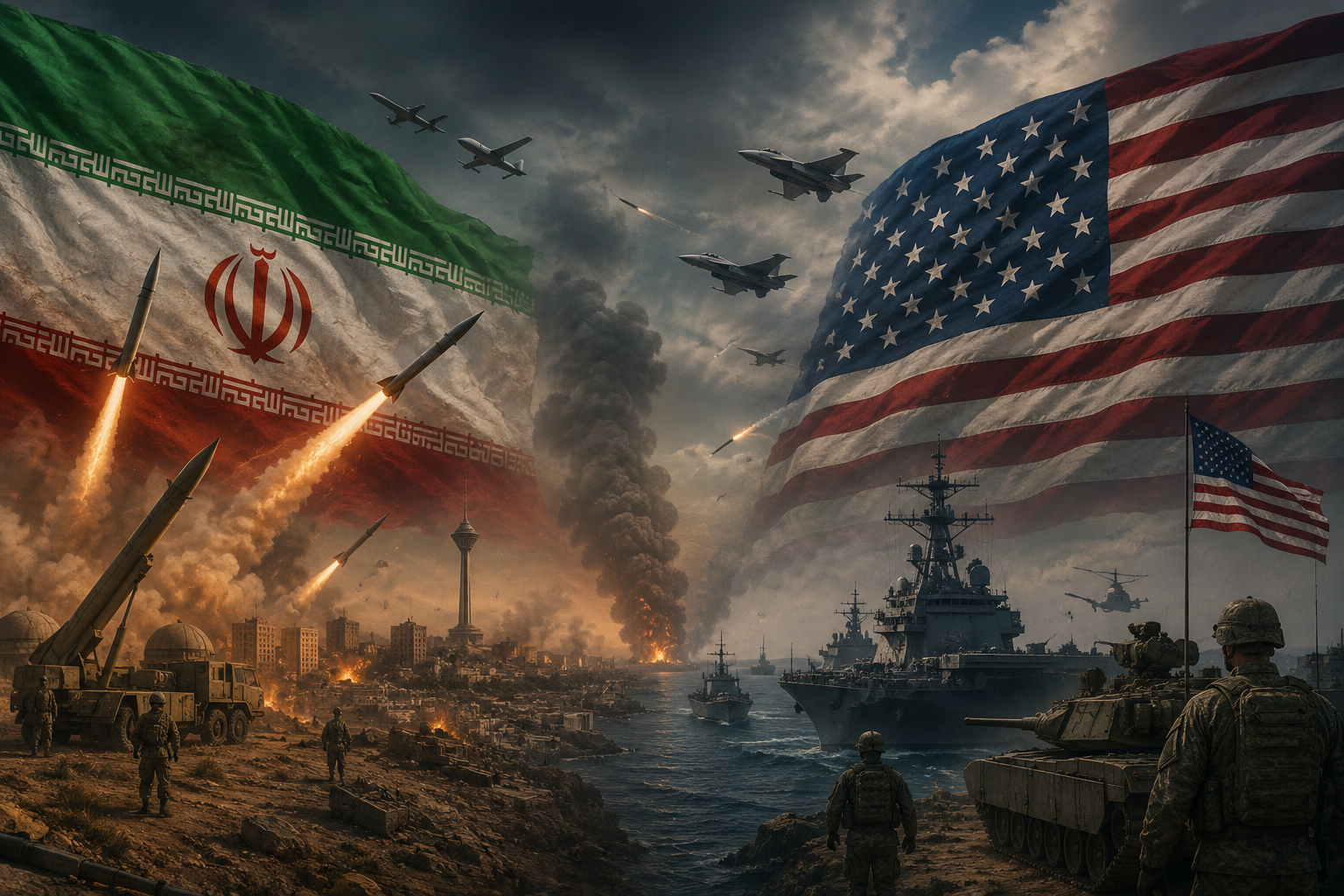


ALWAGHT- Escalating military, economic, and political pressures on the US, combined with the fallout from the Hormuz confrontation and Iran's adoption of a more aggressive posture, suggest that an extended conflict would progressively advantage Tehran.
Former CIA analyst Larry Johnson and University of Tehran professor Mohammad Marandi argued that a prolonged confrontation increasingly favors Iran over the United States. Johnson pointed to mounting military, logistical, and economic pressures on Washington, including difficulties sustaining its military presence, replenishing advanced weapons, and maintaining morale among US personnel. He cited deteriorating conditions aboard US vessels—including food shortages, malfunctioning sanitation systems, and serious morale problems—and claimed that as many as 30 sailors may have attempted suicide on the USS Lincoln, far exceeding official reports. "Time's on the side of Iran, not the United States," Johnson asserted.
Johnson further argued that the US faces critical supply-chain vulnerabilities, with nearly 80% of American weapons systems exposed to Chinese-controlled materials required for manufacturing missiles like Tomahawks, JASSMs, and PAC-3 interceptors. He also noted a decline in the US Navy's fast combat support ships and claimed that Iranian strikes on warehouses in Bahrain and Oman used to resupply US forces had compounded logistical difficulties. On the economic front, Johnson described the closure of the Strait of Hormuz as the beginning of an "economic tsunami," warning that rising fuel prices and the depletion of strategic petroleum reserves would hit the US economy hard and ultimately restrict Washington's ability to conduct further military operations.
Marandi echoed Johnson's assessment, arguing that Iran's population has stronger incentives to endure hardship because the country views itself as defending against externally imposed aggression. He contended that public opposition within the US would grow as economic consequences worsen, with rising gasoline, diesel, and aviation fuel prices placing additional strain on an already struggling American economy. Marandi maintained that Iran posed no threat to the American people and described the conflict as an illegal war aimed at undermining the Iranian state.
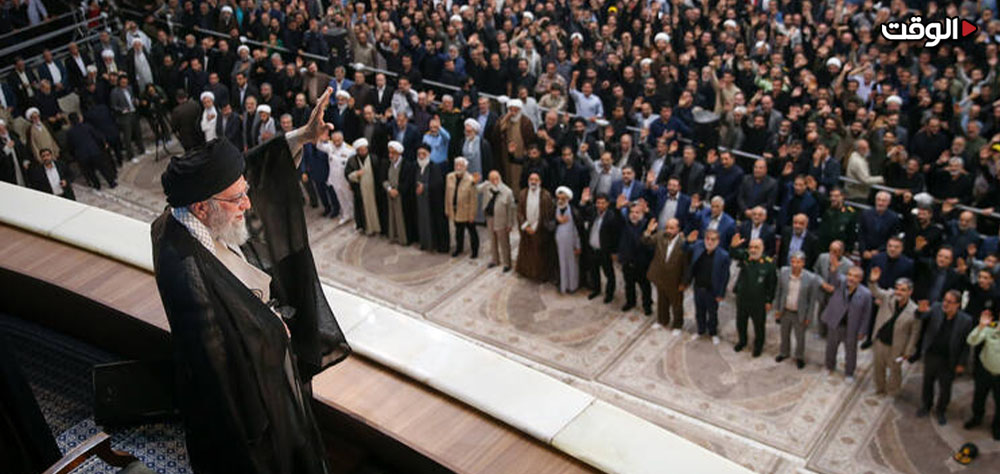
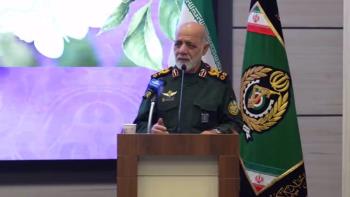
Both analysts highlighted Iran's shift toward a more offensive posture, citing the appointment of Major General Mohsen Rezaei as chair of the Supreme National Security Council as a significant signal of Tehran's intent to press its advantages. Marandi said Iran intends to exploit growing American vulnerabilities despite acknowledging that a prolonged war would impose difficulties on Tehran as well. Johnson also emphasized that Washington is underestimating Iran's economic position, pointing to Tehran's strong partnerships with Russia and China, commercial links with Pakistan, and alternative transportation routes through the Caspian Sea and Eurasia that have reduced its isolation.
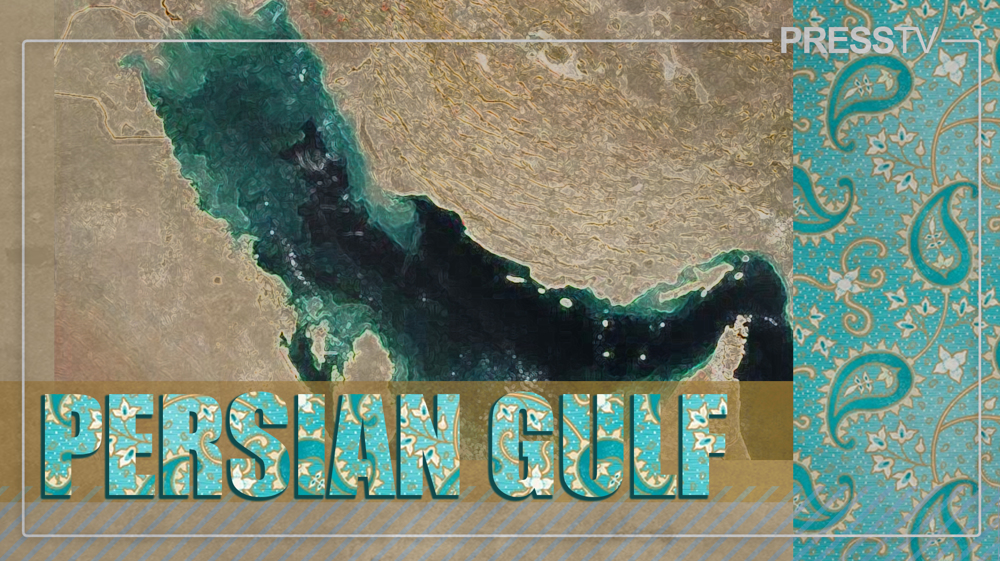
Regarding the Strait of Hormuz, both guests addressed ongoing negotiations with Oman, with Johnson interpreting US threats toward Oman as confirmation that Tehran and Muscat are close to an agreement on joint management of the waterway. Marandi said there are effectively no obstacles between the two sides but argued that formally signing an agreement while the war continues would have little practical meaning, as the Strait remains largely closed with only limited vessels allowed through with Iranian permission. He stressed that Iran intends to continue exercising control over the Strait, charging fees for all ships entering or leaving the Persian Gulf. Marandi also challenged Reuters reports citing unnamed Iranian officials, claimed Iran was not responsible for a recent attack in northern Iraq, and urged regional actors not to advance US or Israeli interests.