









Alwaght- After announcing the preliminary deal between Iran and the US to end the war and start comprehensive negotiations, no issue more than Strait of Hormuz has drawn obsession of the governments, energy markets, and the shipping companies.
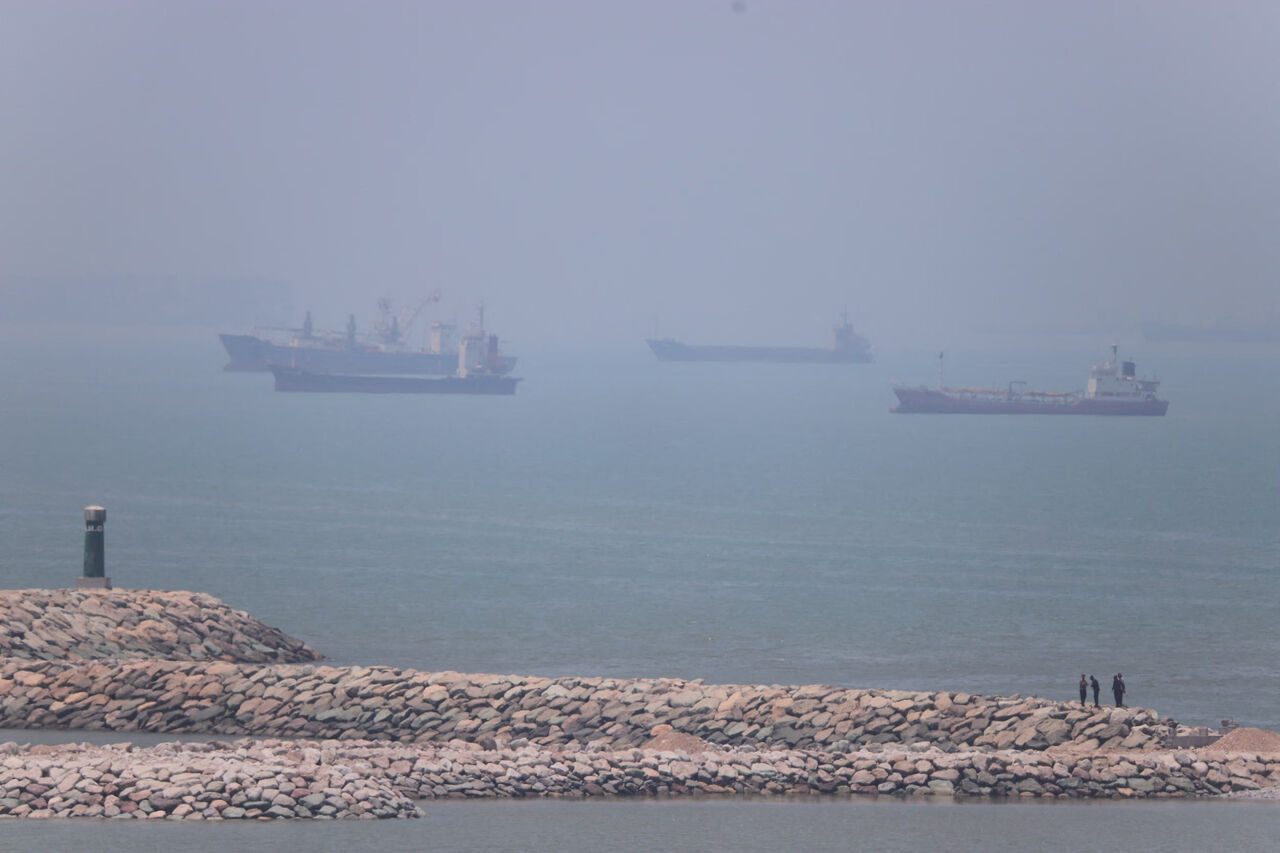
The Strait of Hormuz, through which roughly one-fifth of the world's exported oil passes, had become one of the most critical flashpoints in the global economy over recent months. Restrictions imposed on ship traffic sent significant shockwaves through energy markets. That is why the first question after the deal was announced was this: What happens to this international waterway after the deal, and when will shipping freedom return to normal?
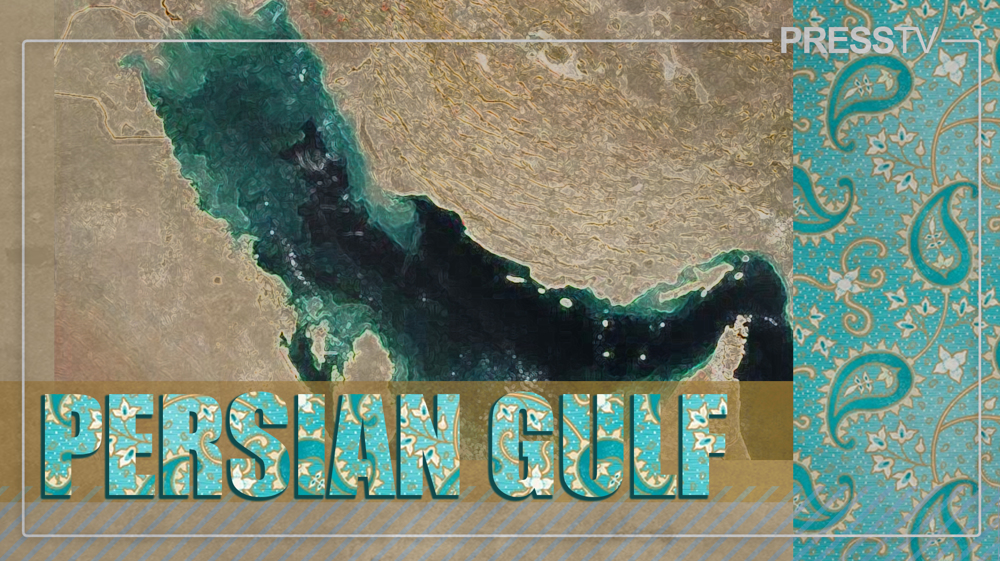
According to the Memorandum of Understanding (MoU) provisions, one of the core clauses specifically addresses the Strait of Hormuz. Article 5 states: "Iran shall make its best efforts to arrange for the safe passage of commercial vessels through the Persian Gulf to the Gulf of Oman and vice versa, free of charge for 60 days only. Commercial shipping shall commence immediately and be fully established within 30 days, contingent upon Iran's removal of technical and military obstacles and mine-clearance operations. Iran and Oman will also hold talks on the future administration and maritime services in the Strait of Hormuz, in accordance with applicable international law and the sovereign rights of the littoral states, and will consult with other Persian Gulf coastal states."
But while the initial text on reopening the Strait seems relatively straightforward, Tehran and Washington are reading this clause very differently.
The US administration is framing the deal largely as a return to the principle of "freedom of navigation." The US President Donald Trump took to TruthSocial network after the announcement to declare that "yhe deal with Iran is now complete, and toll-free shipping through the Strait of Hormuz will begin." He also hailed the Strait's reopening as a major win. Vice President J.D. Vance echoed that sentiment, saying: "I have no reason to think the Strait of Hormuz is closed. I expect the 14-point Washington-Iran agreement to be implemented and freedom of navigation to be preserved."
The American narrative hinges on the idea that the deal restores unrestricted passage for international commercial vessels, and that no new mechanisms should interfere with the core principle of navigational freedom. Pro-administration media have likewise framed the clause as the end of the war-driven energy crisis and the restoration of normal global trade flows.
Iran's different narrative
The Iranian account has an important difference with that of the US. In the deal, their is no mention of the Strait of Hormuz but there is mention of "safe transit of commercial vessels in the Persian Gulf and Sea of Oman." Observers say this wording was chosen deliberately, to decouple the transit arrangements from the broader legal status of the Strait of Hormuz. The goal is to prevent other players from reducing the question of access to the Persian Gulf to a narrow debate over straits governance or customary international law claims.
Iranian officials stress that the deal is not limited to reopening the strait and also includes recognizing Iran's role in managing security of this strategically important waterway.
Iran's Foreign Minister Sayyed Abbas Araghchi said: "Iran wants an agreement that allows Tehran to charge fees for ships passing the strait in return for services. So, in the coming 60 days, arrangements of implementing this system will be executed and the mechanism of managing the strait will be determined in the future.
Iran's Parliament Speaker Mohammad Baqer Ghalibaf, weighing in on the deal's Hormuz clause, put it this way: "The Strait of Hormuz was a latent capacity that the enemy activated through its own actions. Management and control of the Strait belong to its littoral states. We have sovereign rights there, and naturally, we must charge fees for services."
Analysts read these remarks as a clear signal that Iran is pushing to establish a new legal regime for the waterway.
Along those lines, Tehran intends to start collecting "insurance premiums" from ships transiting the strait once the 60-day US deal expires. The move, overseen by the newly established "Persian Gulf Strait Organization" (PGSA), is a step toward cementing Iran's sovereignty over the waterway. In a letter to shipping companies, the organization stated that this insurance coverage is currently free but will become mandatory and fee-based in the future.
Meanwhile, the Islamic Revolutionary Guard Corps (IRGC), signaling that things would not simply revert to pre-war conditions, has warned under the new arrangements that vessels must strictly route through the vicinity of Larak Island and any deviation will be treated as a violation.
These dueling interpretations have already played out in how the deal is being implemented on the ground. While Washington talks up a full reopening, international reports indicate the return to normal maritime traffic has been gradual, with certain operational and regulatory restrictions still in place at the Strait. From Iran's perspective, that is entirely consistent with the MoU, and reopening the strait does not mean ceding its supervisory and security role in the waterway.
New legal mechanism for the Strait of Hormuz
This clash of views is highlighted when we look at the future of talks. The text of the MoU and many other issues will come under spotlight in the complementary negotiations in the next 60 days.
The status of the Strait of Hormuz remains one of the core sticking points between Iran and the US, with both sides currently negotiating to hammer out a legal framework for future ship traffic. Washington insists that transit through the waterway must be completely free and unrestricted, just as it was before the war. Iran, however, disagrees, arguing that new rules and mechanisms must be put in place to manage the Strait.
Saeed Khatibzadeh, Iran's deputy foreign minister, told Al Jazeera that Tehran has confirmed in the deal that after 60 days, it will adopt a new mechanism for managing the Strait and will provide navigation services there in coordination with Oman and in line with international law.
"We have a legal right in the Strait of Hormuz," he said, "but for 60 days, we will not impose navigation fees."
Foreign Ministry spokesman Esmaeil Baghaei said: "The new mechanism and arrangements are being drafted. We started close consultations with Oman well in advance and have spoken with various countries, and those talks will continue. We have largely worked out these mechanisms with Oman, though not much time has passed since the deal, and we plan to consult with other nations as well."
Reports suggest that the future management arrangements for the strait include provisions for collecting service fees, covering areas like navigation, security, insurance, and the environment, with the exact amounts to be determined once Iran and Oman finalize the governance framework.
Generally, it can be said that the clause related to the Strait of Hormuz in the recently reached deal may have assuaged the immediate concerns of the world energy markets about halt of energy exports, but still there is no answer to this question: Will Strait of Hormuz return to pre-war status or there will be a new order governing this strategic waterway?
This is decisively important not only for the US and Iran but also the Persian Gulf Arab monarchies, the large oil importers in Asia, and the whole world economy and will likely be one of the key cases in the future negotiations.