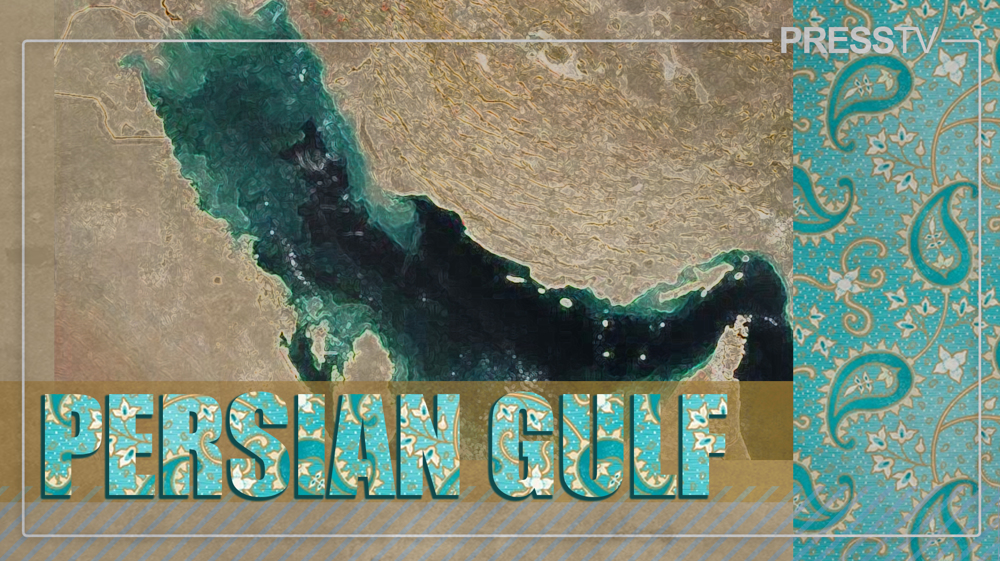

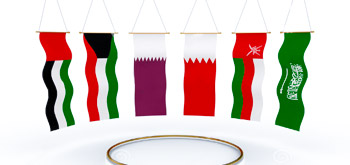







Alwaght- While West Asia is struggling with a storm of military conflicts and geopolitical changes, an announcement from the UAE came out suggesting that the Arab country withdrew from the OPEC and OPEC Plus, something beyond a mere economic decision. This move may at first sight looks as an urgent response to home crises, but in deeper layers is bears witness to the gradual collapse of the unity among key Persian Gulf Arab actors and emergence of a deep gap that can disrupt the balance in the (Persian) Gulf Cooperation Council forever. This report sheds light on four aspects of this Emirati decision.
First aspect: From financial crisis to sky-is-the-limit oil production
The UAE exit from the bloc of oil-producing countries is actually a reaction to the emergency conditions following Iran war. The regional war has not only threatened security, but also brought the Emirates economic structure face to face with fundamental challenges.
1. Capital flight and liquidity crisis: War has produced uncertainty, leading to flight of foreign capital from the Emirates economy. At a time the investor trust is nose diving, Abu Dhabi is sinking in a liquidity crisis.
2. Traditional and Strait of Hormuz routes closed: As conflict escalates and Strait of Hormuz risks tighter closure, the Emirati oil revenues are facing high risks as they earlier played a lifeline to the Arab monarchy.
3. Strategy to break free from limits: The UAE’s goal in this move is to regain full control over its oil production and sales. By casting aside OPEC+’s imposed quotas, they plan to export as much oil as needed. Before the Strait of Hormuz was closed, the country’s daily output stood at 3 to 3.5 million barrels; now it hopes to ramp that up to a maximum of 5 to 5.5 million barrels per day. This “unlimited production” is the only way to make up for lost revenues, restore confidence in the domestic market, and stem further capital flight.
Second aspect: Competing against Saudi Arabia in oil market
By hitting OPEC credibility and fighting for bigger share, the UAE is, beyond managing home crisis, implementing a strategic plan to tip the scales on the energy market. This part of Emirates move directly targets Saudi Arabia.
1. Moving past reliance on the Strait of Hormuz and redefining logistic routes: The UAE is quietly executing a new strategy, using its infrastructure at the Port of Fujairah, which is located on the other side of the Gulf of Oman. This port allows the UAE to ship its oil to global markets without needing to pass through the Strait of Hormuz, which has been caught up in the recent conflict with Iran. In short, the UAE is trying to carve out Saudi Arabia’s market share, most of which flows through the Strait of Hormuz, by moving its oil through safer, more independent routes.
2. Invalidating OPEC Plus mechanism: For years, Riyadh has positioned itself as the main pillar and chief organizer of OPEC and OPEC Plus. The UAE's departure throws that mechanism into disarray and undermines its credibility among other producers. This move severely weakens Saudi Arabia's role as the "market leader" and reveals that energy alliances are far more fragile in the face of regional wars than previously assumed.
Third aspect: Old rival in shadows: From Yemen to Sudan and Horn of Africa
The core root of these tensions is the rivalry between Riyadh and Abu Dhabi, showing itself in various regional cases. Withdrawal from OPEC is just one of the instruments in this competition.
1. Yemen case and threat to sovereignty: Contrary to Saudi Arabia that seeks instability in Yemen, the UAE through support to separatist southern groups is aspiring for an independent state in southern Yemen. This approach directly targets strategic interests of Saudis. This confrontation in Yemen between the two Arab rivals went to serious that Saudi Arabia bombed logistic convoys of the UAE in Al-Mahrah, Hadhramaut, and Shabwa of Yemen to block seizure of these provinces by UAE-allied militias.
2. Sudan civil war and Horn of Africa equations: In the Sudan crisis, the two countries find themselves on opposing sides. Riyadh is deeply concerned about the UAE’s alliance with the Israeli regime and Abu Dhabi’s separatist ambitions in the Somaliland region. As a result, Saudi Arabia has taken a tough, defensive stance against the UAE’s maritime expansion efforts in the Horn of Africa.
Fourth part: Fight for economic hub: Saudi Vision 2030 vs. Dubai position
The biggest war ground of the two sides is not the military field but the offices of international and tourism offices.
1. Saudi Vision 2030 vs. Dubai economic dominance: With his ambitious Saudi Vision 2030 plan, Saudi Crown Prince Mohammed bin Salman is eyeing to transfer the regional economic hub from Dubai to Riyadh. The aim is for the big companies to relocate their offices from the UAE to the kingdom.
2. Riyadh opportunism amid war: The war on Iran has shifted the situation in Saudi Arabia's favor. Because the UAE has taken a more active role in the anti-Iran front in the form of coordination with the US and Israel, it has been hit harder by missile and drone attacks than Saudi Arabia. Meanwhile, Dubai's geographic proximity to the conflict zone has spooked investors. Saudi Arabia now sees this as a "golden opportunity" to scoop up capital fleeing the UAE.
3. Emirates preemptive reaction: Exit from OPEC is actually a reaction to Riyadh’s opportunism. By fixing its oil revenues and flexing its production power, Abu Dhabi wants to send the message that despite war risks, it is still a reliable and powerful economic player and will not allow Saudi Arabia to take advantage of this security gap to devour its economic share.
Conclusion: Deep cracks in (P)GCC
The UAE's exit from OPEC Plus is far more than an economic decision to fix a financial crisis. It is an outright declaration of economic and geopolitical war on Saudi dominance. This move shows that the the (P) GCC, once built on the idea of collective security, is now cracking under intense rivalries over survival, wealth, and influence. Cracks that could lead to the collapse of regional cooperation structures. In the new world after the Iran war, alliances have given way to individual national interests. In fact, with this move, the UAE has separated ways from Riyadh.